What Is the Typical Price of Truffles? A Market Analysis
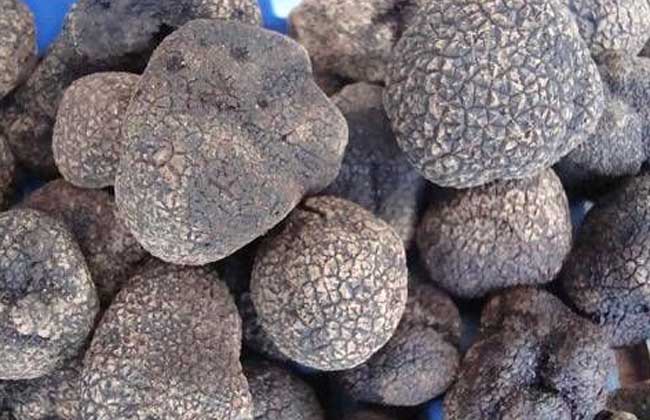
Truffle is a general term for a group of fungi. They are rich in protein, amino acids and other nutrients, have extremely demanding growing requirements, cannot be cultivated artificially, and are produced in scarce quantities, all of which makes them rare and expensive. This is why Europeans rank truffles alongside caviar and foie gras as the "world's three great delicacies." Let's take a look below at how much truffles cost!
How Much Do Truffles Cost?
Truffles, along with caviar, champagne, oysters and foie gras, all signify the most expensive luxury in food, and their price and flavor are among the reasons they attract so many diners. The world's finest truffle is the white truffle from Alba, Italy, which once commanded a price of 35,000 US dollars per kilogram, followed by the black truffle from Perigord, France, which costs at least 500 US dollars. Truffles are also produced in China's Yunnan and Sichuan, as well as in the Middle East, but the prices are much lower, usually 200 to 500 per jin on the market.
Where Are Truffles Produced?
Truffle-producing areas are distributed across Italy, France, Spain, China, New Zealand and other countries. Among the many varieties, the black truffle from France and the white truffle from Italy are the most highly regarded. Chinese truffles closely resemble French black truffles in appearance, with smaller scales on the outer skin and finer, denser white veins inside. They mainly grow on the fibrous roots of pine trees, which is also the origin of the Chinese name "songlu" (pine truffle). The main producing areas are in the Yunnan and Sichuan region. Mature Chinese black truffles carry a complex mushroom flavor, an aroma that is hard to comprehend.
The Growing Environment of Truffles
1. Truffles grow in the soil and are a type of tuberous fungus attached to the roots of pine trees, containing large amounts of water and trace mineral elements such as potassium, calcium, magnesium, iron and fluorine. Unlike ordinary mushrooms, they are not soft and juicy but rather firm in texture. They prefer alkaline soil, and high-quality truffles are mainly produced in limestone terrain areas, such as Alba in Italy, Perigord in France and Yunnan in China, all of which are located in limestone terrain areas.
2. Truffles derive their nutrients from the attached tree roots and soil. If truffles have grown in a place, the nutrients of the soil and plants will be absorbed completely by the truffles, and nothing else can grow there for a period of time. During their growth process they cannot tolerate any slight environmental change, and their pickiness about the environment is truly astonishing. However, semi-artificial cultivation has now been achieved in Western countries.
3. Truffles are especially fond of growing under pine, oak, poplar, willow, hazel and linden trees, and their color and aroma vary depending on the tree species. Today, mechanized farming methods, pesticide spraying of the soil, excess or insufficient rainfall, and changes in forest tree species are also the main reasons for the massive decline in truffle production in the 20th century.