How much does a podocarpus cost per tree? A comprehensive analysis of the market
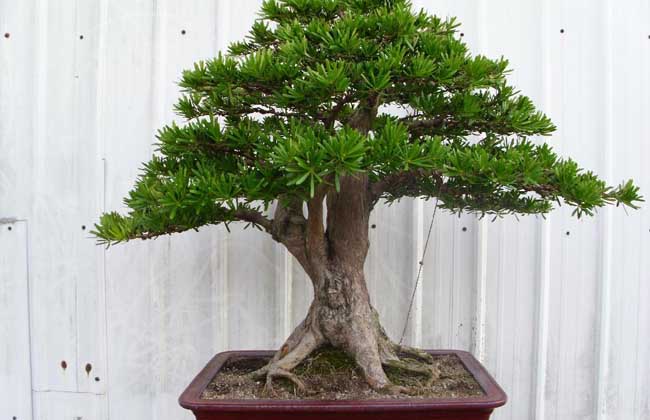
Although the podocarpus (Podocarpus macrophyllus) is native to China, the number of large-specimen podocarpus landscaping trees is currently extremely limited, far from meeting the demand for courtyard greening and high-end residential landscapes. Large, beautifully shaped podocarpus are especially hard to find, and on the market, project trees with a diameter at breast height of more than 10 cm mainly rely on imports. Let's take a look below at how much a podocarpus costs!
How much does a podocarpus cost?
Category Meter diameter (cm) Crown width (cm) Price (yuan/tree) Category Meter diameter (cm) Crown width (cm) Price (yuan/tree) Podocarpus 1 20 5 Podocarpus 3 50 50 Podocarpus 5 100 200 Podocarpus 6 200 300 Podocarpus 8 300 700 Podocarpus 10 350 1200 Podocarpus 12 400 1500 Podocarpus 15 450 2000 Podocarpus 18 500 6000 Podocarpus 20 600 6500 Podocarpus 22 650 7000 Podocarpus 25 600 8000 Podocarpus 28 700 10000 Podocarpus 30 800 12000Among landscaping tree species, the podocarpus is a relatively valuable one. In particular, the price of large-specimen podocarpus has been gradually rising over the past two years, but there are still many factors that determine the price of podocarpus, so when purchasing, please be sure to base your decision on the actual situation.
The cultivation value of podocarpus
1. Ornamental: The podocarpus has an elegant, upright charm, with a majestic, vigorous and proud bearing of its own. Combined with meanings that fit Chinese culture such as “longevity” and “keeping wealth and bringing good fortune,” owners pursuing high-grade courtyard beautification often like to plant one or two podocarpus, adding a touch of genius to their own “garden-style tale.”
2. Timber: Podocarpus generally has fairly good hardness, very high toughness, dense material, resistance to water and moisture, corrosion resistance, and is not easily attacked by pests. It is a good timber for construction and utensils, and can be used for furniture, utensils, stationery and farm tools, etc. It can also be used as a raw material for large woodcarving crafts.
3. Medicinal: The fruit of the podocarpus treats lung disease and cough. The root bark of the podocarpus has the effects of promoting blood circulation, relieving pain and killing insects, and is used externally for bruises and injuries, scabies and ringworm, etc. The leaves of the podocarpus have the effect of stopping bleeding and are used for coughing blood, vomiting blood and other conditions. The seeds and receptacles of the podocarpus have the effects of tonifying qi, strengthening the middle, tonifying the kidney and benefiting the lung, and are used for heart and stomach pain, blood deficiency with sallow complexion and other conditions.
4. Bonsai: The podocarpus appears as a small tree or shrub, with short, densely growing leaves and graceful branches and foliage. It is ancient-looking yet delicate and vigorous, with a striking posture. In the growing season it sprouts new shoots, and its tender green new leaves interspersed among the dense green foliage are quite beautiful. It is a first-class material for making bonsai, and is especially the preferred choice for making miniature bonsai.
Cultivation techniques for podocarpus
1. Soil: Podocarpus cultivation requires a slightly acidic growing medium rich in humus, loose and fertile, and well drained. In alkaline soil, the leaves turn yellow and growth is slow. It has a long lifespan, reaching several hundred years, or even over a thousand years.
2. Watering: The podocarpus is not a plant of the Pinaceae family and is not drought tolerant. On the contrary, the podocarpus tolerates shade and moisture, and during the growing period care should be taken to water it regularly, but it should not become waterlogged. In the Shunde area, on sunny summer days, care should be taken to water frequently, generally once in the morning and once in the evening. In addition, the leaves should also be sprayed with water frequently so that the leaf color stays fresh green and growth is good. Summer rainfall is usually fairly abundant as well, and the podocarpus is not tolerant of waterlogging, so care should be taken to prevent prolonged standing water.
3. Sunlight: The podocarpus is a neutral to shade-leaning tree species. It can accept relatively strong light and can also grow in a more shaded environment. Although summer temperatures are relatively high and sunlight is intense, because large podocarpus trees benefit from high temperature and strong light in maintaining their tree posture and leaf shape, there is no need to shade large podocarpus trees in summer. However, because podocarpus seedlings have tender tissues, they should not be exposed to strong light for long periods, and it is recommended to keep them under tree shade for care.
4. Temperature: In northern regions, potted podocarpus is suitable. When the outdoor temperature is stable at around 10°C, move it outdoors and place it in a wind-sheltered, sunny spot for care, then move it to a semi-shaded spot after summer arrives. In winter, when the temperature does not drop to 5°C, it should be moved indoors. After moving indoors, control watering, and it can overwinter safely as long as conditions do not freeze.
5. Fertilizing: The podocarpus likes fertilizer, so apply thin fertilizer frequently, mainly nitrogen fertilizer, and an appropriate amount of black alum can be added and fermented into alum fertilizer water. During the growing period, fertilize once every 1 to 2 months. Fertilizing can be done together with watering (water-to-fertilizer ratio of 9:1).
6. Pests: The podocarpus is mainly harmed by leaf spot disease and anthracnose, which can be sprayed with a 500-fold dilution of 50% thiophanate-methyl wettable powder. Pests include scale insects, red spiders and bagworms, which can be killed by spraying with a 1500-fold dilution of 40% omethoate emulsifiable concentrate.