What is the general market price of olive oil?
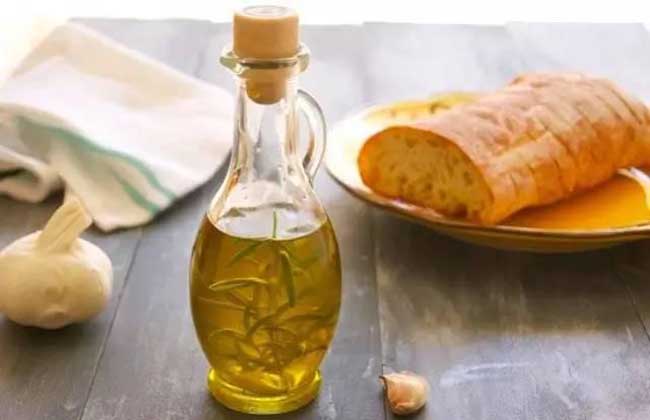
Olive oil is considered the oil most suitable for human nutrition among all the oils discovered to date. The high-grade olive oil for consumption is a natural fruit oil juice extracted from freshly ripe or mature olives through a physical cold-pressing process, and it is one of the woody plant oils in the world that is supplied for human consumption in its natural state. Now let us take a look at how much olive oil costs!
How much does olive oil cost?
The price of olive oil varies according to origin and quality. Common types include ordinary virgin olive oil, extra virgin oil, pure native olive oil, olive sunflower oil, olive blended cooking oil, and so on. Generally, virgin olive oil costs about 40-something yuan for 250 ml, and about 70 yuan for 500 ml. When buying, you must check the production date. Olive oil has a shelf life of only two years, and the production date marked on supermarket goods generally refers to the packaging date.
How to identify olive oil
1. First, look at what range the acidity stated on the bottle label falls within. The national standard stipulates that extra virgin olive oil is less than or equal to 0.8%. If the oil is less than or equal to 0.5%, it should also not be purchased, because this range is too distorted, which means it has very likely undergone chemical deacidification.
2. Next, look at the fatty acid content noted on the label. The higher the unsaturated fatty acid content, the better the quality of the olive oil, and the trans fatty acid content should likewise be low. Generally, the trans fatty acid content of extra virgin olive oil is around 0.03%. It can be said that the trans fatty acid content of olive oil is extremely low, but generally there is no such thing as zero trans fatty acids.
3. It is not necessarily true that the more expensive the olive oil, the better it is. It is also possible that the purchase price of the olive oil was not that high, but the seller deliberately drove up the price in order to make a profit. Judging by international market prices, a reasonable price for 1 liter of extra virgin olive oil is around 130 yuan.
4. To judge whether olive oil is genuinely imported in the original bottle, you can look at the pull-tab part at the bottle mouth. If there is a small pull-tab that can pull open the seal at the bottle mouth, then it is original-bottle imported. If there is no such thing, and the label workmanship is also not fine and attractive, then it can be concluded that this is not original-bottle imported olive oil.
5. To tell whether olive oil is good, just open the bottle and smell it. Superior olive oil will have a very strong scent of green grass, which shows that the olive oil in hand was completely cold-pressed. If there is no smell at all, then chemical intervention must have been involved to remove the flavor. Moreover, olive oil that is clear to the bottom is not necessarily good olive oil. Many have pulp sediment, which feels much like thick fruit juice, but that is the best olive oil.
Olive oil adulteration methods
1. Exploiting loopholes in policy, sending good-quality olive oil for inspection to obtain a qualified “health check” report, while actually selling inferior-quality, counterfeit products.
2. Blending, or heavily blending, traditional oils into olive oil while labeling it “pure olive oil,” or “extra native (extra virgin) olive oil,” or some other self-defined grade, and in the quality inspection report only measuring acidity and peroxide value, without testing fatty acid composition and ultraviolet absorbance.
3. Directly using “pomace oil” to pass off as “extra native (extra virgin) olive oil,” concealing the ultraviolet absorbance in the quality inspection report.
4. Tearing off the labels of olive oil that is about to expire, replacing them with labels marked with a new production date, and continuing to put it on the market.
5. Foreign TIN packaging usually has the product's label design and various information spray-printed on the TIN, while counterfeiters request only importing bare TINs with removable labels attached. After import, the removable labels are torn off and replaced with labels whose contents do not match.
6. Falsely promoting the place of origin of the product.
7. Using expired or about-to-expire products as cosmetic ingredients or ingredients for other products, and continuing to put them on the market in a different form.
8. The Chinese label does not indicate the active components of olive oil, such as monounsaturated fatty acids and polyunsaturated fatty acids, giving lawless traders an opportunity to exploit. Some olive oil brands label things vaguely, for example monounsaturated fatty acid content of 52-75 g/100 g, leaving consumers completely confused. Generally, good-quality extra virgin olive oil has a monounsaturated fatty acid content of 75-80 g.