How much does Wufeng Maojian cost per jin? An introduction to the latest market prices
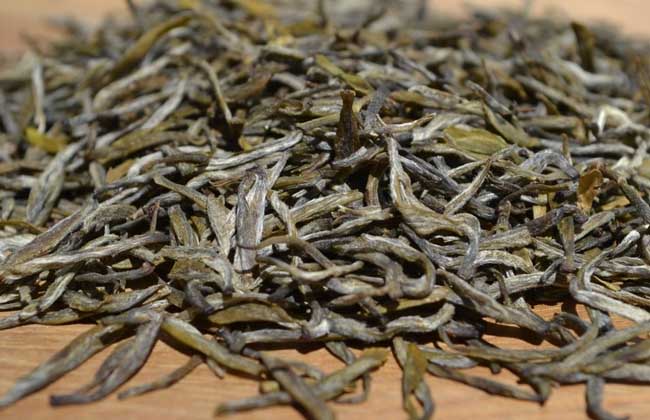
Wufeng Maojian is a specialty of Hubei and belongs to the green tea category. It is produced in the branch range of the Wuling Mountains on the southwestern border of Hubei. High-grade Maojian tea is mainly made from one bud and one leaf or one bud and two leaves, while mid-grade tea is mainly made from one bud and two or three leaves. The tea has a tender green color with a hidden jade hue, a high clear aroma with a cooked chestnut fragrance, a rich taste that withstands multiple infusions, and a tender, green, bright leaf base. Now let us take a look at how much Wufeng Maojian costs!
How much does Wufeng Maojian cost?
1. Yiming Wufeng Maojian: The price of the 250-gram pack of Wufeng Maojian under the Yiming brand is 40 yuan. The product is picked from pre-Grain Rain Maojian, all newly grown buds and leaves, which ensures that the finished tea is fresher and more concentrated. It is then made using traditional techniques. The dry tea is curly in shape, with a lasting aroma and a rich taste, and the buds and leaves are even more intact. When brewed, the tea soup seen through sunlight appears yellow-green and transparent in the cup, and gives off the unique aroma of Wufeng Maojian.
2. Shizhou Famous Tea brand: The price of the 75-gram canned Wufeng Maojian under the Shizhou Famous Tea brand is 80 yuan. The inner packaging of the product uses food-grade material, which is shockproof and moisture-proof and has very good sealing, making it more conducive to later preservation of the tea. The outer packaging is a beautifully made paper can, very exquisite. The dry tea is like pine needles, covered with tea hairs. Its tea soup is bright in color and very attractive, and its leaf base, after brewing, unfolds, with a clear sweet and mellow taste, a light emerald green tea color, and a lasting delicate fragrance.
How to brew and drink Wufeng Maojian
1. Glass cup brewing method: The glass cup brewing method is suitable for tasting tender and precious green tea, making it easy to fully appreciate the appearance and inner qualities of famous tea. Before brewing and drinking, first appreciate the color, aroma, and shape of the dry tea. Take the amount of tea for one cup, place it on clean white paper free of off-flavors, and observe the shape of the tea leaves. The shapes of famous teas vary by variety, whether strips, flat, spiral, or needle-like; appreciate their craftsmanship. Examine the color of the tea leaves, whether emerald green, dark green, yellow-green, or with many hairs. Then smell the aroma in the dry tea, whether creamy, chestnut-like, pan-fired, or an indescribable fresh tea fragrance, and fully appreciate the regional natural charm of various famous teas. This is called “appreciating tea,” and then comes brewing.
2. Porcelain cup brewing method: The porcelain cup brewing method is suitable for brewing and drinking mid- to high-grade green tea, such as first- and second-grade pan-fired green tea, pearl tea, baked green tea, sun-dried green tea, and the like, with emphasis on palatability, savoring, or quenching thirst. Generally, first observe the color, aroma, and shape of the tea leaves, then put them into the cup and brew. You can use the “mid-drop method” or the “bottom-drop method,” brewing with freshly boiled water at 95-100°C, then cover the cup to prevent the aroma from escaping, maintain the water temperature, help the tea leaves unfold, and accelerate their sinking to the bottom of the cup. After 3-5 minutes, remove the lid, smell the tea aroma, taste the tea flavor, and according to the strength of the tea soup, drink until the third infusion. This brewing method is more convenient for serving tea to guests and for drinking tea during office hours. The ratio of tea leaves to water in the cup brewing method depends on personal taste. Generally, brewing 3 grams of tea in 200 milliliters of water is moderate. Those who like strong tea can add a little more tea, and those who like weak tea can add a little less.
3. Teapot brewing method: The teapot brewing method is generally not suitable for brewing tender famous tea, because there is more water and it is not easy to cool down, which will stew the tea leaves and cause them to lose their fresh fragrance. It is suitable for brewing mid- and low-grade green tea. This type of tea contains more cellulose, withstands multiple infusions, and has a strong tea flavor. When brewing tea, first wash the teapot utensils, put tea into the pot, brew to full with freshly boiled water at 100°C, and after 3-5 minutes it can be poured into cups for drinking. When there are many people drinking tea, the teapot brewing method is better, because the purpose is not to appreciate the tea but to quench thirst, or to drink tea and chat, or to accompany snacks and chat about tea friendship.
How to identify Wufeng Maojian
1. Color: Good new tea leaves are generally fresh tender green or dark green. Good green tea has an emerald color and is very fresh and moist. Good pan-fired green tea is gray-green with a bit of luster. Poor tea leaves clearly have black scorched spots or dark sauce-colored spots, and if the tea also contains old yellow leaves, the color will be inconsistent.
2. Appearance: Each kind of tea has its own appearance characteristics. If the size, thickness, and length of the tea leaves are relatively uniform, it is better tea. If the tea leaves are relatively rough, loose, and short and broken, it is poor tea.
3. Smell: Good tea generally has a very obvious tea aroma, including delicate fragrance, strong fragrance, and sweet fragrance types. Poor tea will have a burnt smell, bitter taste, or stale old smell.
4. Tea taste: The tea soup brewed from good tea is very sweet, fresh, and mellow, and the sweet taste in the mouth lingers for a long time. If there is bitterness, astringency, turbidity, or other miscellaneous flavors, then it is poor tea.
5. Dryness: Tea leaves that can be crushed into powder when pinched hard indicate that they are relatively dry and are good tea. If the tea leaves cannot be crushed into powder, it indicates that they have already absorbed moisture and will easily deteriorate, so they are poor tea.