What is the price of Guzhang Maojian per jin?
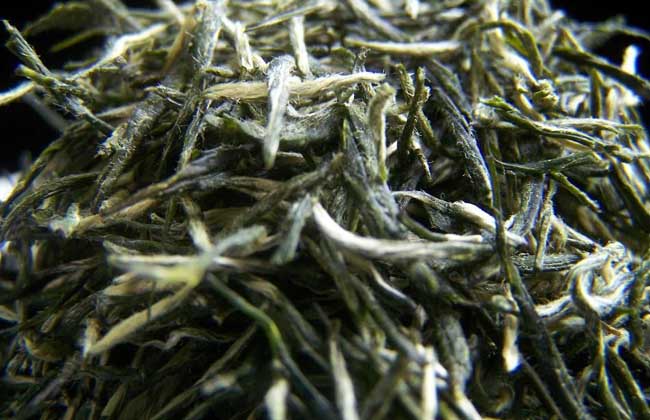
Guzhang Maojian belongs to the green tea category. It is a famous tea of ancient and modern times, named after its place of origin. It is produced in Guzhang County in the Wuling Mountain area of Hunan, made from the tender buds and leaves of suitable tea tree varieties through fine processing. It features tight, straight, and heavily downy leaves, a jade-green color, a fresh and highly pleasant aroma, a mellow and refreshing taste with a sweet aftertaste, and good durability for multiple infusions. It has a unique mouthfeel and fragrance. Now let us take a look at how much Guzhang Maojian costs!
How much does Guzhang Maojian cost?
Guzhang Maojian has different price levels depending on quality, and the weight is generally calculated per 500 grams, ranging from 100 yuan to over a thousand yuan. Usually, for personal drinking (or serving guests), people generally buy around 400 yuan; for gifting, people generally choose above 600 yuan; of course, there is also 100 to 200 yuan per jin.
Tips for selecting Guzhang Maojian
1. Cup a handful of Guzhang Maojian tea leaves with both hands, bring it to the nose, and deeply inhale the tea's aroma. First, see whether it has the aroma of cooked chestnut; second, distinguish whether the aroma is high or low; third, smell whether the aroma is pure. Any tea with a high aroma and proper scent is necessarily high-quality tea.
2. Grab a handful of Guzhang Maojian tea leaves with your hand and spread them flat on white paper. Look at the color, tenderness, leaf shape, and thickness of the dry tea. Any tea with even color, high tenderness, tightly rolled leaf shape, consistent thickness, and few broken pieces is top-grade tea.
How to brew Guzhang Maojian
1. Wide-pot method with retained tea roots and covered steeping: For Guzhang Maojian of relatively good quality, adopt the "wide-pot retained-root covered steeping method." "Retaining the root" means that after "washing the tea," a portion of the brewed tea liquor is kept in the teapot from beginning to end, without pouring the tea liquor completely dry. Generally, adopt "keep four, pour out six" or "keep half, pour out half." After each pouring, refill the teapot with boiling water until the tea flavor finally becomes weak. "Covered steeping" means the time is relatively longer, and the rhythm emphasizes the character "slow." "Retaining the root" and "covered steeping" reveal the tea nature of Hunan Guzhang Maojian. Adopting retained roots and covered steeping can both regulate the taste of the tea liquor from beginning to end and leave sufficient time and room for the formation of Guzhang Maojian's flavor, achieving the best state of "tea ripe and fragrance warm."
2. Medium-pot "gongfu tea" brewing method: The medium-pot "gongfu tea" brewing method is to brew and drink immediately, pouring everything out each time without retaining tea roots. The volume of the teapot depends on the number of tea drinkers. It can also brew Hunan Guzhang Maojian well. For some relatively new Guzhang Maojian or tea with a slight off-flavor, use a medium-sized pot to brew and drink immediately; the first few infusions remove the new off-flavor and improve the purity of later infusions. For some heavily fermented tea, adopt the quick-brew and pour-dry method to help avoid the tea liquor turning dark. For tea leaves with a relatively heavy bitter and astringent taste, quick brewing in a medium pot can reduce the bitterness and astringency. For some Guzhang Maojian products made by mechanical rolling and sun-drying, because the tea flavor is extracted relatively quickly, this method is also suitable when brewing.
3. Covered bowl cup brewing method: The covered bowl cup brewing method helps increase the brewing temperature and enhance the aroma of the tea. It is relatively suitable for brewing coarse and old Guzhang Maojian, but for some tender and delicate teas, it requires the brewer to have skilled technique; otherwise, a "water stuffiness" or scalded tea phenomenon may occur. Brewing in a covered bowl reduces to a certain extent the favorable effect of the vessel on the mellow richness of the tea liquor.