How much does Xinyang Maojian cost per jin?
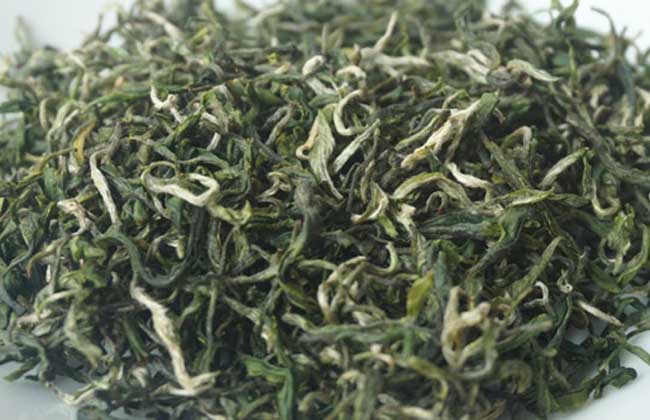
Xinyang Maojian is one of China's top ten famous teas and a well-known specialty of Henan Province. Its brand has ranked 3rd in the value of China's regional public tea brands for many years. In 1915, it won a gold medal at the Panama-Pacific International Exposition alongside Guizhou Moutai. In 1990, it took first place for overall green tea quality in a national evaluation and is known as the "King of Green Tea." Let's take a look below at how much Xinyang Maojian costs!
How much does Xinyang Maojian cost?
The price of Xinyang Maojian does not fluctuate very much. Usually, pre-Qingming Zhenya (100% buds) is around 880.00 per jin, pre-Qingming Special Grade First Class (95% buds) is around 780.00 per jin, pre-Qingming Special Grade Second Class (85% buds) is around 680.00 per jin, pre-Guyu Special Grade One (100% buds) is around 660.00 per jin, pre-Guyu Special Grade Two (90% buds) is around 580.00 per jin, pre-Guyu Special Grade Three (85% buds) is around 480.00 per jin, spring tea Grade One (80% buds) is around 258.00 per jin, spring tea Grade One (one bud and one leaf) is around 188.00 per jin, spring tea Grade Two (one bud and one leaf) is around 128.00 per jin, spring tea Grade Three (one bud and two leaves) is around 88.00 per jin, tea Grade One (one bud and one leaf) is around 128.00 per jin, summer tea Grade Two (one bud and two leaves) is around 88.00 per jin, summer tea Grade Three (one bud and two leaves) is around 68.00 per jin, autumn tea Special One is around 168.00 per jin, autumn tea Special Two is around 128.00 per jin, autumn tea Special Three is around 88.00 per jin, and spring tea, summer tea and autumn tea range from 20 to 600 yuan per jin for high, medium and low grades.
How to select Xinyang Maojian
1. Smell the tea aroma: cup a handful of Xinyang Maojian tea leaves in both hands, bring them to the nose, and deeply inhale the aroma. First, see whether it has the aroma of roasted chestnuts; second, judge whether the aroma is high or low; third, smell how pure the aroma is. Any tea with a high and proper aroma is certainly high-quality tea.
2. Observe the color: grab a handful of Xinyang Maojian tea leaves and spread them flat on white paper. Look at the color, tenderness, shape of the strands and thickness of the dry tea. Any tea with even color, high tenderness, tightly formed strands, uniform thickness and few broken pieces is superior tea.
3. Sniff the aroma: after Xinyang Maojian tea leaves are brewed in a cup, immediately pour out the tea liquor, bring the cup together with the brewed leaves to the nose and sniff. Any tea whose aroma is fresh, high and pure, giving a feeling of relaxation and joy, can be considered good tea.
4. Look at the liquor color: generally, after the tea has been brewed for 3 to 5 minutes, pour the tea liquor from the cup into another bowl. This should be done immediately before and after smelling the aroma. For superior Xinyang Maojian tea, the liquor color should preferably be light green or yellow-green, clear rather than cloudy, bright and limpid.
5. Taste the flavor: Xinyang Maojian tea liquor is rich, mellow and refreshing, and belongs to the upper grade. If it is flat and astringent, it is mostly coarse, old tea.
6. Evaluate the brewed leaves: judge the brewed leaves left after the liquor is poured off from brewed Xinyang Maojian tea. Look at old or tender, whole or broken, color, evenness or mixed, soft or hard and other conditions to determine the quality grade, and also pay attention to whether there are other adulterants.
Grade standards of Xinyang Maojian
1. Special Grade: one bud and one leaf just opening, the appearance is tight, fine, round and even, tender with abundant downy hair, the color is tender green and oily, the brewed leaves are tender and even, the buds and leaves form florets, the brewed leaves are soft, the brewed leaves are tender green, the aroma is high and brisk, fresh and lasting, the taste is fresh and brisk, and the liquor color is bright.
2. Grade One: one bud and one leaf or one bud and two leaves just opening account for more than 85%, the appearance strands are tight and elegant, round, straight and even with much white downy hair, the color is emerald green, the brewed leaves are even, the buds and leaves form florets, the leaf color is tender green and bright, the aroma is fresh and strong, with chestnut aroma, pure and strong, sweet, and the liquor color is bright.
3. Grade Two: one bud and one or two leaves account for no less than 65%, the strands are tight and compact, round and straight but not sufficiently even, white downy hair is visible, the color is emerald green, with a few tender stems, the brewed leaves are tender, the buds and leaves form florets, the brewed leaves are soft, the leaf color is green and bright, the aroma is fresh and tender, with chestnut aroma, the taste is strong and sweet, and the liquor color is green and bright.
4. Grade Three: one bud and two or three leaves, no less than 65%, the strands are tight and solid, smooth, round and straight, with visible buds, the color is emerald green, with a small amount of coarse strips, the brewed leaves are tender but not sufficiently even, with a few tender single leaves and opposite-pair leaves, the brewed leaves are relatively soft, the color is tender green and relatively bright, the aroma is clear and fragrant, the taste is mellow and thick, and the liquor color is clear.
5. Grade Four: the appearance strands are relatively coarse and solid, round, with a small amount of unopened young leaves, the color is green-yellow, the brewed leaves are tender but not sufficiently even, the aroma is pure and mild, and the liquor color is yellowish, clear and bright.
6. Grade Five: the strands are coarse and loose, with a small amount of coarse flakes, the color is yellow-green, the brewed leaves are coarse and old, elastic, the aroma is pure, the taste is mild, and the liquor color is yellow and still bright. There is no place-of-origin requirement.