How much does Biluochun cost per jin? An introduction to the latest market prices
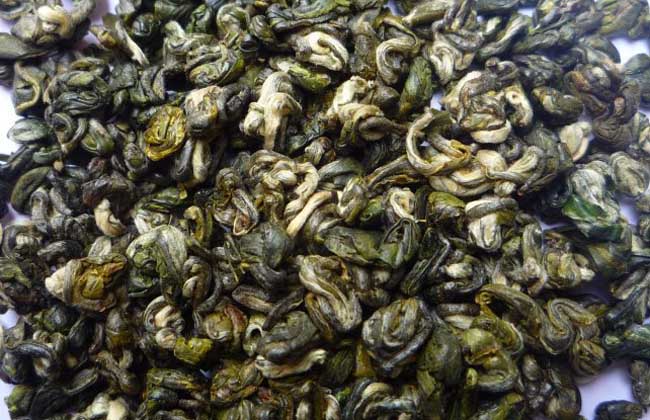
Biluochun was already listed as a tribute tea during the Tang Dynasty. The ancients also called it "gongfu tea" and "new blood tea". The buds of high-grade Biluochun are so tender that 0.5 kg of dry tea requires 60,000 to 70,000 tea buds. After pan-firing, the dry tea has tightly rolled strips, prominent white hairs, a silvery-green color, and an enticing emerald hue, curled into the shape of a snail. It is produced in spring, hence the name "Biluochun". Now let us take a look together at how much Biluochun costs!
How much does Biluochun cost?
The price of authentic Biluochun varies greatly depending on where it is purchased. Supreme-grade Biluochun costs about 2000 yuan per jin (500 grams), first-grade first-class about 1500 yuan per jin, first-grade second-class about 1000 yuan per jin, special-grade Biluochun about 580 yuan per jin, third-grade first-class about 380 yuan per jin, third-grade second-class about 260 yuan per jin, and ungraded Biluochun about 150 yuan per jin. In addition, there are some teas also produced in the original Biluochun production area but not labeled as Biluochun, with prices ranging from 60 to 120 yuan.
Where is Biluochun produced?
Biluochun is mainly produced in Dongting Mountain by Lake Tai in Wu County, Suzhou City, Jiangsu Province, so it is also called "Dongting Biluochun". It originated in the Ming Dynasty and was commonly known as "Xiasarenxiang" (frighteningly fragrant). During the Kangxi period of the Qing Dynasty, Emperor Kangxi inspected and tasted this famous tea with its emerald-green liquor and snail-like curls and highly praised it, but felt that the name "Xiasarenxiang" was inelegant, so he named it "Biluochun". From then on it became a tribute tea presented every year. Dongting Mountain has a mild climate and abundant rainfall, and fruit trees are often intercropped with tea trees. The tea absorbs the fragrance of the fruit, and the flowers scent the tea, nurturing the natural quality of floral and fruity flavors in Biluochun tea leaves.
How to identify good and bad Biluochun
1. Observe the appearance: High-quality Biluochun has a slender, curled appearance like a bee's leg or a copper wire strip, shaped like a snail, with a silvery-green color tinged with emerald, covered all over with white hairs, and with silvery buds visible. One bud and one leaf: the bud is white-haired and curled, and the leaf is curled and clear green. The tea buds are tender and complete, with no leaf stalks, no "trouser legs", and no yellow leaves or old flakes.
2. Look at the white hairs: Being covered all over with white hairs is one of the characteristics of Biluochun. The finished tea of Biluochun is covered by white hairs, with the down closely adhering to the tea leaves. According to the degree of coverage, that is, the density of the down, one can distinguish the quality and grade of Biluochun tea.
3. Smell the aroma: The aroma of high-quality Biluochun is special. Amid the clear tea fragrance, there is a rich and powerful aroma that smells like the scent of flowers and fruit, making one enchanted and infatuated.
4. Watch the brewing: Because Biluochun's strips are fine, tight, and heavy, they quickly sink when brewed rather than floating on the surface; the opposite indicates a fake. After Biluochun sinks to the bottom of the cup, the young buds slowly unfold, with large buds and small leaves. The liquor is emerald green and clear, the infused leaves are tender green and bright, the aroma is fresh and rich, and the taste is fresh and mellow with a sweet, thick aftertaste.
5. Taste the flavor: After Biluochun is brewed, the first infusion is fresh and brisk, the second is sweet and mellow, and the third is slightly sweet. Within its fresh and brisk tea flavor, there is also a sweet floral and fruity aroma, making it endlessly enjoyable and leaving an endless aftertaste.
6. Look at the color: Authentic Biluochun has a soft and bright color, while dyed Biluochun looks black, green, blue-green, or dull. Authentic Biluochun's down is white, while dyed Biluochun's down is green. After brewing, authentic Biluochun's tea liquor is soft, bright, and vivid, while dyed tea is yellow and dull, like the color of stale tea.
The effects and functions of Biluochun
1. Stimulating effect: The caffeine in tea can excite the central nervous system, helping people lift their spirits, improve thinking, eliminate fatigue, and increase efficiency.
2. Diuretic effect: The caffeine and theophylline in tea have a diuretic effect and are used to treat edema and water retention tumors. Using the detoxifying and diuretic effects of black tea sugar water can treat acute icteric hepatitis.
3. Cardiotonic and antispasmodic effect: Caffeine has the effects of strengthening the heart, relieving spasms, and relaxing smooth muscle. It can relieve bronchial spasms and promote blood circulation, and is a good auxiliary medicine for treating bronchial asthma, relieving cough and reducing phlegm, and myocardial infarction.
4. Inhibiting arteriosclerosis: The tea polyphenols and vitamin C in tea both have the effect of invigorating blood and resolving stasis and preventing arteriosclerosis. Therefore, among people who regularly drink tea, the incidence of hypertension and coronary heart disease is lower.
5. Antibacterial and bacteriostatic effects: The tea polyphenols and tannic acid in tea act on bacteria, can coagulate bacterial proteins, and kill bacteria. They can be used to treat intestinal diseases such as cholera, typhoid, dysentery, and enteritis. For sores on the skin, ulceration and pus discharge, or broken skin from trauma, washing the affected area with strong tea has an anti-inflammatory and sterilizing effect. For oral inflammation, ulceration, and sore swollen throat, treatment with tea leaves also has a certain therapeutic effect.
6. Weight-loss effect: Various compounds in tea such as caffeine, inositol, folic acid, pantothenic acid, and aromatic substances can regulate fat metabolism. Oolong tea in particular has a good decomposing effect on protein and fat. Tea polyphenols and vitamin C can lower cholesterol and blood lipids, so drinking tea can help with weight loss.
7. Anti-caries effect: Tea contains fluorine. Fluoride ions have a strong affinity for the calcium in teeth and can become a kind of "fluorapatite" that is relatively insoluble in acid, just like adding a protective layer to the teeth, improving the teeth's acid resistance and anti-caries ability.