How much does a pudding hamster generally cost?
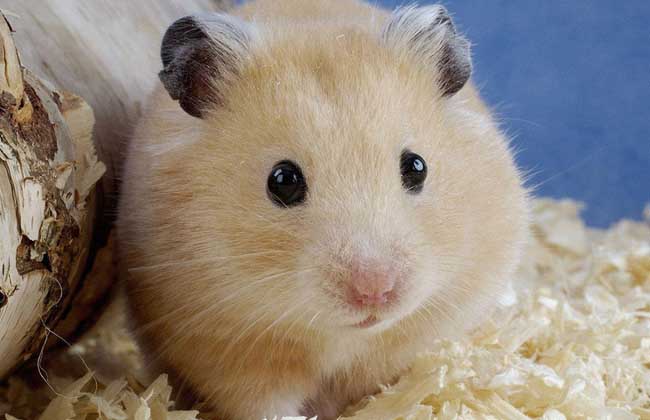
The pudding hamster is a type of Djungarian hamster (also known as the Campbell's dwarf hamster). Its body color is yellow, much like a pudding, which is why it is called the pudding hamster. Those with orange or golden stripes on their backs are called yellow pudding hamsters, and those with milky white fur are called white pudding hamsters. They are very gentle in temperament, highly interactive with people, and easy to care for, so they are very suitable as a small pet hamster for beginners or children. Let's take a look below at how much a pudding hamster costs!
How much does a pudding hamster cost?
The price of a pudding hamster is generally 10 to 15 yuan, which is cheap and affordable for every family, but if you raise it carefully in the future, it will still cost over a thousand yuan. Like other pet hamsters, the pudding hamster has the advantages of taking up little space, being convenient to feed and clean, having a docile personality, and costing little, so it is very popular among office workers with limited space and time, and quickly became a popular pet.
How to identify a pudding hamster
Part the back fur of a pudding hamster. If the hair roots are gray or black, it is a color-changing pudding hamster; if they are white, it will not change color. Generally, a black pudding hamster will start to change color at around 1 month old, and it is best to identify it just before it reaches full month, because if the pudding hamster is too small, the black fur is not obvious, or has not grown out yet, it will be hard to identify after purchase. It is generally recommended to buy one around 2 months old that has not changed color. Those with orange or golden stripes on their backs are called yellow pudding hamsters, and those with milky white fur are called white pudding hamsters. Pudding and silver fox hamsters can breed golden fox hamsters, but the golden fox looks extremely similar to the white pudding hamster. This breed is rare, so the price is higher.
Pudding hamster raising environment
1. Temperature: The ideal temperature for a pudding hamster to live in is 20 to 28 degrees, but this does not mean it is fine no matter how it changes within this range. For example, if the temperature is 20 degrees in the morning and evening and 28 degrees at noon, that is not good for the pudding hamster. Because the pudding hamster is very sensitive to temperature changes, its body may not be able to bear it, so the surrounding temperature of the raising environment should be kept as constant as possible.
2. Bedding: Aspen is relatively good but also relatively expensive, costing nearly 50 yuan per pack. Pine is used by many people, with prices ranging from 20 to more than 40 yuan. Try to choose the kind with less dust. Other types include paper material, corncob, and wood chip sand.
3. Bathing sand: WILD308 costs about 65 to 90 yuan per pack and can be used for about half a year. It can be recycled. When an odor appears, it should be replaced. If it is urinated on just after being replaced, you can separately remove the urinated part. Some people use cat litter instead of bathing sand, but this practice is not approved. Cat litter works fairly well as hamster toilet sand, but for hamsters the particles are too large, which is not good for removing bacteria from their bodies.
4. Drinking water: Be sure to use boiled water, and if possible it is best to feed purified water (mother hamsters during lactation should be properly given fresh milk).
5. Teeth-grinding supplies: There are dedicated teeth-grinding wood and teeth-grinding mineral salt, but hamsters do not necessarily like them. Teeth-grinding snacks are more popular, with prices ranging from 10 to 60 yuan. Never use disposable chopsticks, popsicle sticks or similar things.
What do pudding hamsters eat?
1. Harmful foods
① Fruits: Almonds, plums, loquats, peaches, honey peaches, apple seeds (these can cause heart paralysis, gastrointestinal disorders, and difficulty breathing).
② Vegetables: Onions, scallion leaves (these destroy blood components), garlic, ginger, chives, celery (too irritating), and the leaves and stems of tomatoes and potatoes.
③ Plants: Narcissus, tulips, morning glory, rhododendron, orchids, calamus, hyacinth, ferns, cyclamen, hydrangea, balloon flower, fern plants, and iris.
④ Others: Human snacks, biscuits, chocolate, coffee (these two foods can cause heart paralysis), and alcohol.
2. Edible foods
① Vegetables: Green vegetables (such as bok choy), carrots, pumpkin (green and yellow vegetables are best).
② Seeds: Sunflower seeds, peanuts, walnuts, pine nuts (do not give too many), safflower seeds, and hemp seeds.
③ Fruits: Apples, strawberries, cherries, bananas, grapes (because they contain a lot of sugar, please do not give too many).
④ Grains: Wheat, corn, millet, oats.
⑤ Plants: Clover, dandelion, kudzu, and plantain.
⑥ Animal protein: Beef, chicken, the egg white of boiled eggs, small insects, and pet dried small fish.
3. Supplement series
① Mealworms: The protein content is very high, making them the holy grail of supplements. Please do not feed too many in a day.
② Dried small fish: Contains calcium and animal protein. Older hamsters can eat them ground into powder.
③ Nutritional paste: Available on the market, in two flavors: deep-sea fish oil and cherry.
④ Nutritional water: Sold everywhere on the market, with prices ranging from 100 to 150.
⑤ Glucose water: Glucose can be bought at a pharmacy. Mix it with boiled water at 1:10 and feed it. It can increase appetite.
⑥ Artificial baby food puree: Available in supermarkets. Feed about 0.5cc at a time, and please store it in the refrigerator.