How much does a milk tea hamster cost? Market price reference
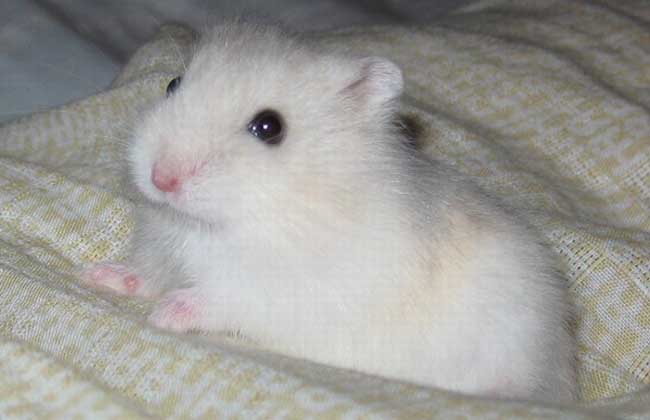
The milk tea hamster's coat color is light gray, just like the pearl milk tea we drink every day. The overall color is fairly even, with a slightly darker gray line along the back that is not very obvious, and some milk tea hamsters do not show a back line at all (some hamster keepers call this the premium milk tea). It is not a wild species but an artificially bred variety resulting from genetic mutation. Let's take a look below at how much a milk tea hamster costs!
How much does a milk tea hamster cost?
The price of a milk tea hamster ranges from 15 to 25 yuan. Because the milk tea hamster's origins are unknown and it has a mysterious background, and because there are very few milk tea hamsters on the market, the market price of the milk tea hamster once came close to that of the granny hamster. Earlier on, many hamster keepers did not dare to buy one to raise because of the price and their lack of understanding of the milk tea hamster. However, the breeding situation of the milk tea hamster is similar to that of other dwarf hamsters, and the number of milk tea hamsters is increasing day by day. They have gradually become recognized by most hamster keepers, and so many people take pride in owning a milk tea hamster.
Lifestyle habits of the milk tea hamster
1. Milk tea hamsters are active at night or at dawn and dusk, but quite a few species are also active during the day. Their activity level generally decreases in winter. Before winter arrives, they either store fat in their bodies to use during dormancy, or they begin storing food in autumn. Some have cheek pouches in their mouths for temporarily holding food.
2. Milk tea hamsters mainly eat the seeds of various weeds and grains, and occasionally prey on insects. They have the habit of storing food and do not hibernate, relying on stored food to get through the winter. In captivity they can be fed hamster-specific food or whole grains. Hamsters cannot eat food meant for humans. Foods that easily cause internal heat, such as sunflower seeds and peanuts, can only be used as training rewards and snacks, and must not be fed as a staple food.
Feeding and care of the milk tea hamster
1. Raising a hamster is like raising a dog. If you want your hamster to listen to you well, you have to start when it is young. The younger the hamster, the easier it is to tame, and the best is one that is 5 to 7 months old.
2. When you get a new hamster, do not rush to “play” with it; just put it in the cage. Place food (vegetables) and water in the cage, along with some wheel-like toys for it to play with. Give the hamster two or three days to adapt to the new environment.
3. Play with it every day and try to get it to follow your commands. If the hamster is not sleeping or is refusing to eat, gently lift the hamster and place it on the floor. Note that there must be no things like electrical wires near the hamster's living area, so that the hamster does not bite them and get electrocuted. Before every “play session with the hamster”, you should wash your hands thoroughly to prevent the hamster from getting a bacterial infection.
4. Add food and water for the hamster on time, and clean the hamster's “room” at the same time. Gradually, the hamster will develop affection for you.
5. Normally, hamsters need to eat some vegetables, such as celery and cucumber. You can also use these foods to train the hamster. Note that training should be done in the form of encouragement, and you must never shout at it, as that will make the hamster afraid of its owner.
6. When feeding, try to hold the food in your hand. Over time, the hamster will develop affection for you and depend on you, and when you reach out your hand it will happily run over. In the same way, you can get the hamster to perform more actions.