How much does a barred parakeet cost? An introduction to market prices
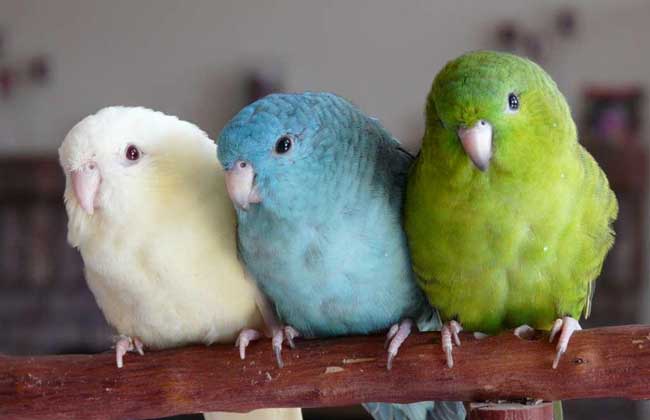
The barred parakeet is a cute and quiet small parrot, native to Central and South America, inhabiting open forests, dry hills, deep-valley scrub areas or woodlands, and its traces can also be seen in lush forest areas and farming areas. Its color variations are no less numerous than those of the well-known Pacific parrotlet. Let's take a look below at how much a barred parakeet costs!
How much do barred parakeets cost?
The barred parakeet has two subspecies, differing in appearance by the depth of the green plumage color and the thickness of the black bars. Many variants of different colors have already appeared in the breeding market, and many of the colors are quite beautiful. Ordinary green and blue barred parakeets are sold in some places for 200 yuan a pair or even less. They breed quickly and are easy to keep, more and more people are starting to keep them, and the market price is not very high.
Are barred parakeets easy to keep?
Compared with some African lovebirds and budgerigars, the barred parakeet's gentle, non-noisy character makes it more suitable as a pet. They are not as fond of calling and as neurotic as small parrots such as lovebirds; on the contrary, they are very gentle, friendly and quiet, and are as easy to keep as small parrots.
What food do barred parakeets eat?
Barred parakeets usually move in flocks of about 6 to 30, occasionally gathering in hundreds or more. They have a habit of seasonal migration, like to perch in tall trees, and are not easy to observe in their activities. Sometimes they go to crop-growing areas to forage. Their natural foods include berries, seeds, fruits, insects and so on.
Barred parakeet breeding methods
The breeding season of the Central American subspecies of the barred parakeet begins around December, while in South America it is around May to July. Captive barred parakeets are very quiet and also very stable in temperament. When moving around in the cage, they mostly crawl and rarely fly or jump. You can spray a small amount of water on them and provide ordinary small-parrot mixed seeds along with some vegetables and fruits for feeding. They can be kept and bred in groups, and breeding difficulty is not high. They can breed throughout the year, and an ordinary lovebird nest box can be used. They lay about 4 to 5 eggs at a time, the incubation period is about 21 to 22 days, and the feathers are fully grown after 6 weeks.