How much does an African grey parrot cost?
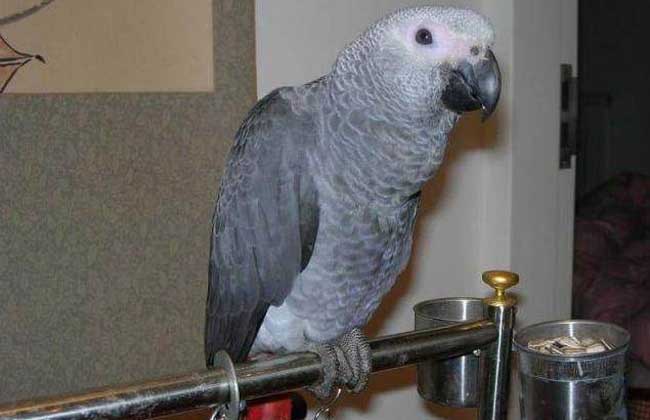
The African grey parrot is a large parrot and is one of the few known animals that can truly converse with humans, which also makes it one of the most well-known pet birds. It mainly eats various seeds, nuts, fruits, nectar, berries, etc., and inhabits low-altitude areas and rainforests in Africa. Let's take a look below at how much an African grey parrot costs!
How much does an African grey parrot cost?
A hand-raised African grey parrot chick costs around 5500 yuan each, and a pair may cost around 12000 yuan! In appearance, the male's head shape is broader, with the sides of the eyes slightly pointed to form an almond shape, while the female is the opposite, with a narrower and smaller head shape and rounder eye rings.
Breeding methods for the African grey parrot
The breeding period of the African grey parrot begins at around 3 years of age, and the breeding season varies by region; in East Africa it is about January to February and June to July, the dry seasons. They nest in tree holes 10 to 30 m above the ground, usually laying 2 to 3 eggs per clutch, occasionally 4. The incubation period is 28 to 30 days. Newly hatched chicks weigh only 14 to 16 grams and are 5 cm long. At about 75 to 80 days the feathers are fully grown, and the fledging period is about 80 days. Captive African grey parrots can live to 50 years of age.
How to keep African grey parrots
Adult African grey parrots are usually very nervous and uneasy when first introduced to captivity, especially wild-caught ones. They typically appear very anxious and take a long time to adapt to a new environment. They are among the quieter types of medium-to-large parrots, and if they are not disturbed often they will not be very noisy. However, the African grey is also one of the medium-to-large parrots most prone to developing the bad habit of feather plucking. Factors such as boredom, anxiety, lack of affection, cramped space, stress and unbalanced nutrition can all lead to feather-plucking disorder, so owners should pay extra attention and care. Hand-raised chicks are very cute and charming, and their extraordinary imitation ability makes keeping them especially fun for the owner. Many chicks learn to talk under the owner's careful teaching, making them an ideal pet bird. A variety of foods must be provided: various vegetables, fruits, seeds, nuts and grains need to be supplied in a balanced way, and calcium intake is especially important. Vitamin supplements can be added in daily life.
Fun anecdotes about African grey parrots talking
In the UK there was once a novel parrot talking contest. Competing parrots only needed to say one sentence, and the judges scored them based on the content and pronunciation of that sentence. One unremarkable African grey parrot's sentence won special praise from the judges and audience, and thus it defeated the other contestants and won the championship. When the cloth covering the birdcage was lifted, this grey parrot first looked around front, back, left and right, and then cried out in surprise: "Wow! Why are there so many parrots here!" A few days later, the overjoyed owner invited many distinguished guests home to celebrate. To show off this grey parrot's "genius" in front of the guests again, he lifted the cloth covering the birdcage in public once more, fully expecting it to say: "Wow! Why are there so many distinguished guests here!" to win everyone's applause. Unexpectedly, when the grey parrot saw the gathered guests, it still said: "Wow! Why are there so many parrots here!" This left everyone not knowing whether to laugh or cry, and also made the owner lose face completely and feel utterly embarrassed. From this it can be seen that a parrot learning to talk is merely a kind of conditioned reflex, and it can only learn a limited vocabulary.