How much does a European red squirrel cost? Market price reference
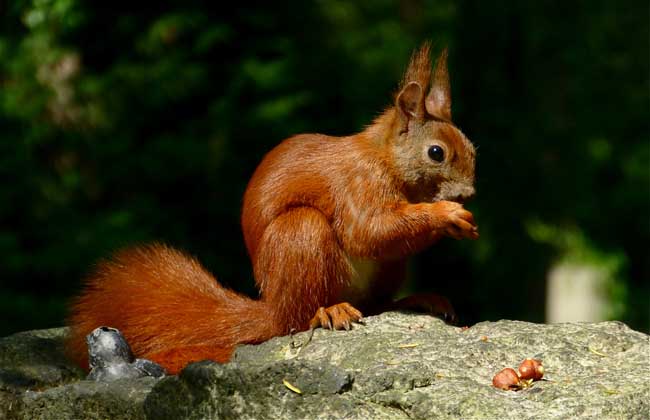
The European red squirrel is a very rare type of squirrel, with a body length of about 30 cm and a tail length of about 20 cm. It mainly lives in the United Kingdom. This cute little animal now faces the danger of extinction. Scientists warn that if active measures are not taken, this animal will disappear from the earth in the not-too-distant future. Now let us take a look at how much a European red squirrel costs!
How much does a European red squirrel cost
The European red squirrel is very rare, so it is very difficult to buy an authentic wild European red squirrel. Generally, the ones we buy are captive-bred red squirrels, and the prices vary greatly. Moreover, the purely wild European red squirrel is also a rare animal, and there is no market trade in it. As for domesticated red squirrels, they are also quite cute, and the price of red squirrels is very cheap, just 400 yuan each, making them very suitable for keeping!
What does the European red squirrel eat
The European red squirrel feeds on the seeds of Fagaceae plants, but in nature it will also eat a considerable number of insects, so it is best to also feed it some animal-based food. Nuts such as walnuts and chestnuts are the European red squirrel's favorite. Biting open the hard shells is not only a game for the European red squirrel, but can also help wear down its teeth, so it is best to feed this type of food often. If artificial feed is used as the staple food, foods such as apples should also be supplemented separately.
How to keep a European red squirrel
1. Breeding method: Squirrels generally reach sexual maturity at about 9 to 10 months of age and can begin mating. January to February and April to May each year are the peak estrus periods, when the conception rate is relatively high. The gestation period of the female squirrel is about 38 days. One to two weeks before the expected delivery date, the pregnant female can be moved into a birthing box. Males and females must be kept in separate cages. Plenty of water and food must be provided, and mealworms can be dropped in when necessary. After the young squirrels are born, they begin eating feed at 1 week of age. They can be fed some fresh fruit and high-quality concentrated feed. They can be weaned at 5 weeks of age and kept in separate cages.
2. Food and feeding: Squirrels seem to feed on the seeds of Fagaceae plants, but in nature they will also eat a considerable number of insects, so it is best to also feed them some animal-based food. Nuts such as walnuts and chestnuts are squirrels' favorite. Biting open the hard shells is not only a game for squirrels, but can also help wear down their teeth. It is best to feed this type of food often. If artificial feed is used as the staple food, foods such as apples should also be supplemented separately.
3. Cage: Squirrels are very lively and especially like climbing trees. Their activity space is relatively three-dimensional, so a wide and tall cage should be chosen as much as possible. Since squirrels are accustomed to building nests in trees, the nest box should be installed high up in the cage. A nest box for small birds with the entrance at a high position can be used instead. Squirrels move very quickly, so pay attention when opening and closing the door to avoid them escaping through the gap. If one does escape, and you suddenly grab it forcefully, be careful to avoid being bitten by the squirrel.
4. Dietary restrictions: Squirrels should not eat meat or egg foods, as these have a great impact on the digestive system. Vegetables that should not be eaten raw: carrots, potatoes, beans, ginger, scallions, garlic, chili peppers, etc. Fruits and vegetables that should not be eaten in large amounts: bok choy, rapeseed, lettuce, celtuce, lotus root, cucumber, tomato, eggplant, banana, orange, watermelon, pear, etc. Dried fruits and preserved fruits that have been pickled, unripe or processed nuts, are not easy to digest and should not be eaten. Beverages, especially carbonated drinks. Tea leaves (there are reports that squirrels died from eating tea leaves). Cat and dog pet food (because it contains meat). Apple seeds and cherry pits (toxic to squirrels). Insects should not be eaten; although insects are nutritious, eating them will increase a squirrel's wildness. Foods containing chocolate and caffeine should not be eaten. These two things can make squirrels overly excited, which is bad for both the squirrel's body and mood, and in severe cases can lead to death from an excessively fast heart rate, or death from heart failure.
6. Daily management: Remove feces and often keep the cage and enclosure clean and hygienic. In order to clean the fur and benefit the squirrel's health, clean every morning before feeding. Feeding utensils should be disinfected regularly. A sand bath should be carried out at least once a week. A sand bath box that can hold 4 liters of sand is suitable. Fine sand is placed in the box, and each sand bath lasts 20 to 30 minutes, which can enhance health. Some thin wooden sticks can also be placed in the cage to let the squirrel gnaw on them.