What is the general market price of hazelnuts per jin?
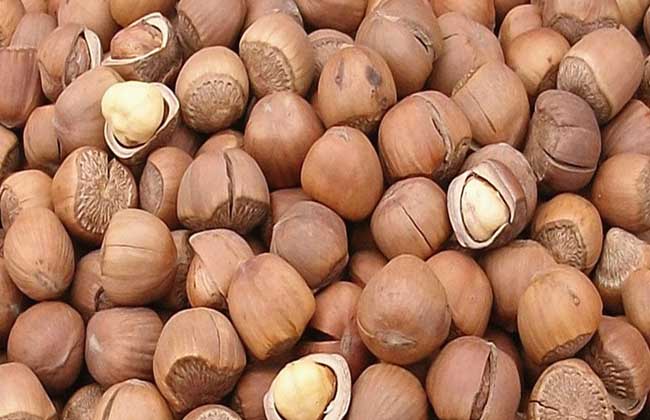
Hazelnut is one of the important nut tree species, rich in nutrients. Besides containing protein, fat and carbohydrates, the kernels are also rich in carotene, vitamin B1, vitamin B2 and vitamin E, giving them high edible value. The market price is not very expensive either. Let's take a look below at how much hazelnuts cost on the market!
The market price of hazelnuts
The market price of raw hazelnuts is about 12 to 15 yuan per jin, and roasted ones about 25 yuan to 25 yuan per jin. At the same time, prices vary somewhat depending on the place of origin and variety. Oval hazelnuts from Heilongjiang are 25 to 35 yuan per jin, and flat hazelnuts from Liaoning are 30 to 35 yuan per jin. In China, hazelnut producing areas are mainly distributed in the mountainous regions of the three northeastern provinces, the provinces of North China, the Hengduan Mountains in the southwest, and Gansu, Shaanxi and Inner Mongolia in the northwest.
How to select hazelnuts
1. Look at the price: Although the fire hazelnut and the hairy hazelnut have lower yields, their kernels are smaller, so the price is generally 20 to 30 yuan per jin. Liaoning flat hazelnuts taste good and have large kernels, so the price is relatively higher, generally ranging from 35 yuan to 65 yuan per jin depending on kernel size.
2. Look at the kernel: Crack open a few hazelnuts. The color of the kernel skin is best when yellow-white, next when dark yellow, and even lower when brownish yellow; "tiger-skin walnuts" with dark brown stripes are also of poor quality. Oily kernel skin is a sign of spoilage, while white, clean and fresh kernel flesh is best. Check whether the inside of the hazelnut has a layer of red fuzz; if there is red fuzz, it is an old hazelnut.
3. Taste the flavor: High-quality hazelnut kernels are fragrant, crisp and crunchy. Some hazelnuts taste spicy when eaten, which means they were not stored properly and have absorbed moisture. If your tongue feels numb after eating hazelnuts, and the hazelnuts are especially yellow and shiny, somewhat like sugar-roasted chestnuts, they may have been fumigated with sulfur.
4. Fullness: Hazelnuts with a kernel yield above 90% are considered excellent. Grab a handful from the top and a handful from inside the container holding the hazelnuts and weigh them in your hand. When dry, hazelnuts that feel heavy indicate thin shells, many kernels and full kernels. If they feel especially light, there may be many empty shells or many that are not fully filled. Grabbing hazelnuts from inside is to guard against the ones below being different from the ones on top.
How to eat hazelnuts
1. Raw: Hazelnuts can be eaten whole, or ground or chopped. Fresh hazelnuts and dried hazelnuts are both delicious and are usually eaten as a snack or appetizer.
2. Pastries: Hazelnuts are often added to salads, sauces, puddings and ice cream, and ground hazelnuts can be added to cakes and cookies. Hazelnuts can be used to make nougatine and can also be used to make filled chocolates. Nougatine made with hazelnuts is fragrant, crisp and delicious. Chocolate hazelnut cake is not only rich and mellow in flavor, but also has the effect of nourishing the spleen and stomach. Hazelnut oil can effectively improve the symptoms of anemia and also helps with vision care.
3. Roasting: Place blanched hazelnuts on a baking sheet and roast in the oven until golden brown, stirring occasionally during the process. Roasting, grinding and chopping can all enhance the unique aroma of hazelnuts.
4. Making porridge: Hazelnuts can also be made into some light soups and porridges to drink. Putting hazelnuts, lotus seeds and japonica rice together is not only good in taste but also rich in nutrients, and cancer and diabetes patients can drink more of it in daily life.