What is the market price of pine nuts per jin?
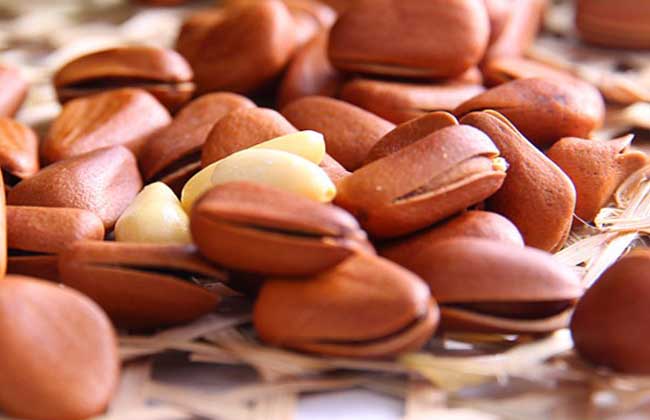
Pine nuts are the seeds of the pine tree. They have the effect of moisturizing the skin, and their unique nutrients even have the effect of prolonging life. They are also delicious and tasty, and are enjoyed as a snack by men and women, young and old alike. Eating pine nuts in moderation is good for the body. Below, let us take a look at the market price of pine nuts!
The market price of pine nuts
Pine nut kernels are the "tall, rich and handsome" of nuts, so naturally their price matches their title. The general price of pine nut kernels is over a hundred yuan per jin; ordinary pine nut kernels are priced at 120 yuan/jin, while pine nut kernels from famous producing areas such as Northeast China are a bit more expensive, at around 150 yuan/jin. Wild pine nut kernels generally reach 200 yuan/jin, and pine nut kernels imported from Brazil are even more upscale, at around 250 yuan/jin.
How to select pine nuts
1. Look at the shell color: shells that are light brown and glossy are of good quality; shells that are dark gray or blackish brown and dull are of poor quality.
2. Look at the kernel color: pine nut kernels with a pure white flesh color are of good quality; pale yellow is of inferior quality; deep yellow tinged with red means the oil has already turned rancid.
3. Look at the sprout core: pine nut kernels with a white sprout core are of good quality; when it turns greenish, spoilage has begun; when it turns black, it has already spoiled.
4. Check dryness or dampness: pine nut shells that break easily with a crisp sound, whose kernels come out easily, and whose kernel skin has slight wrinkles and falls off relatively easily are dry, and these are better; whereas those with soft, tough shells, kernel skin without wrinkles that does not fall off easily, and relatively tender kernels are damp.
The effects and functions of pine nuts
[Nature and flavor] Sweet in taste, warm in nature.
[Meridian tropism] Liver, lung and large intestine meridians.
[Effects] Nourishes yin and body fluids, tonifies qi and blood, moistens dryness and lubricates the intestines. It is suitable for the elderly with weak constitution, dry and hard stools, chronic bronchitis, prolonged cough without phlegm, cardiovascular and cerebrovascular diseases, and other conditions.
1. An excellent health tonic for the elderly: strengthens bones and muscles, relieves fatigue, can lower blood lipids, prevents cardiovascular diseases, and is of great benefit to the health of the elderly.
2. Anti-aging: has a good effect of softening blood vessels and delaying aging, and is an ideal food for women to moisturize the skin and enhance beauty.
3. Strengthens the spleen and relieves constipation: can moisten the intestines, relieve constipation and act as a mild laxative without harming vital qi, and has a certain dietary therapeutic effect on constipation due to weakness in the elderly and constipation due to fluid depletion in children.
4. Benefits and nourishes the brain: pine nuts are rich in phosphorus and manganese, have a nourishing effect on the brain and nerves, are an excellent brain food for students and mental workers, and also have a good preventive effect on Alzheimer's disease.
5. Prevents atherosclerosis: has the effect of softening blood vessels and preventing and treating atherosclerosis. Therefore, regular consumption of pine nuts by the elderly helps prevent cardiovascular diseases caused by elevated cholesterol.
6. Nourishes yin and moistens the lungs: has a certain adjunctive therapeutic effect on elderly chronic bronchitis, bronchial asthma, constipation, rheumatoid arthritis, neurasthenia, and patients with dizziness and blurred vision.