How much does Arisaema seed cost per jin?
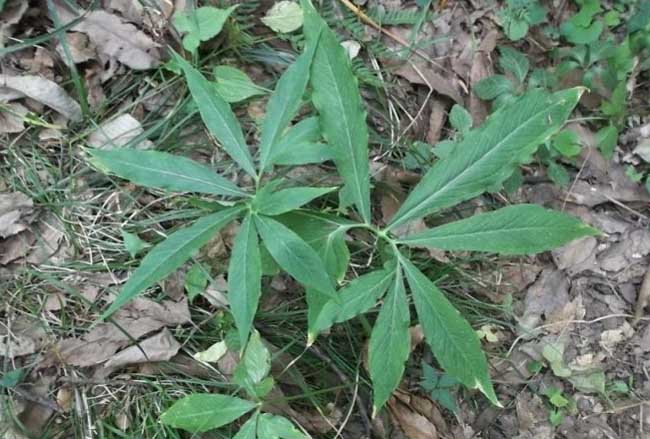
Arisaema is a medicinal herb included in the Chinese Pharmacopoeia; it is the dried tuber of Arisaema erubescens, Arisaema heterophyllum, or Arisaema amurense of the genus Arisaema in the family Araceae, and it has very high prospects for cultivation. Propagation methods can use tuber propagation and seed propagation. Let us now take a look at the price of Arisaema seeds!
Arisaema seed price
The seed price of Arisaema is relatively high; Arisaema seeds with 98% purity, a germination rate greater than 85%, and 95% varietal purity cost about 400.00 yuan/kg, and prices in physical stores will differ slightly depending on the region.
Arisaema cultivation conditions
Arisaema prefers moist, loose, fertile soil and environments. Its tubers are not cold-tolerant, but seedlings grown from seed in the same year the seed germinates produce only three small leaves in the first year; after the 2nd and 3rd years, the number of small leaves increases gradually, and they are relatively more cold-tolerant. For artificial cultivation, it is best to intercrop with tall-stalked crops, or choose a shaded understory, forest edge, or a relatively shady and damp valley environment. The soil should preferably be loose, fertile, well-drained yellow sand soil. Any low-lying, poorly drained plots are not suitable for planting.
Arisaema seed propagation
Arisaema seeds mature in early August. After collecting the red berries, place them in clean water and rub them to remove the fruit pulp, then take out the seeds and sow them immediately in autumn. On a prepared seedling bed, dig shallow furrows at a row spacing of 15-20 cm, sow the seeds evenly in the furrows, and cover with soil level with the bed surface. After sowing, water once thoroughly, and thereafter keep the bed moist regularly; seedlings will emerge in about 10 days. In winter, cover the bed surface with barnyard manure to keep it warm and maintain moisture, which helps the seedlings overwinter. In the following spring, after the seedlings emerge, press the barnyard manure down onto the seedling bed as fertilizer. When the seedlings are 6-9 cm tall, thin them to a spacing of 12 cm.