How much is turbot per jin? Latest market price trends
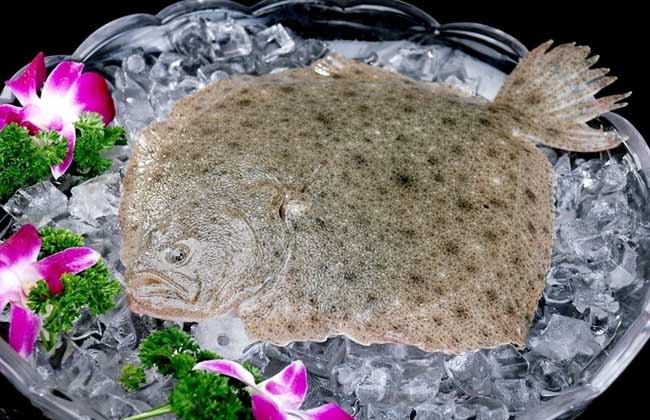
Turbot is widely distributed in warm and hot seas, feeding mainly on benthic invertebrates and fish. It originated in the Atlantic waters of Europe and is recognized worldwide as one of the high-quality flatfish, with a delicious taste and rich nutrition, and it has a very good effect on nourishing the skin and beauty care, making it very popular with consumers. Below, let us take a look at exactly how much turbot costs per jin!
How much is turbot per jin
The price of turbot is higher than that of other common fish, generally averaging more than 30 yuan per jin, while supermarket prices range from 40 yuan to more than 50 yuan per jin, and prices also differ from market to market.
How to choose turbot
1. Look at the eyes: To choose fresh turbot, first look at the eyes. One side is greenish-brown, and the eyeless side (ventral side) is white. For authentic turbot, look at the fish eyes. Full, protruding eyes with transparent, clear corneas indicate fresh fish; if the eyeballs do not protrude, the corneas are wrinkled, or there is blood stasis inside the eyes, then it is not fresh.
2. Smell the gills: The gill filaments of fresh fish are bright red, with transparent mucus, having the salty fishy smell of seawater fish or the earthy fishy smell of freshwater fish. In stale fish, the gill color darkens to grayish-red or grayish-purple, and the mucus smells foul. Pinch the fish meat. Fresh fish meat is firm and elastic, and the indentation after pressing with a finger disappears immediately, with no off odor. Stale fish meat is somewhat loose, the indentation after pressing disappears more slowly, and there is a slight fishy stench.
3. Look at the fish shape: Fish from heavier pollution have an irregular shape, with a large head and small tail, and a curved, stiff spine and tail ridge, or an especially large head with a thin body and a long, pointed tail. There are also some fish that, although they look very fresh, have rough, non-smooth gills that are red or gray in shape. Some fish look normal in body shape and gills, but their eyes are cloudy, have lost their normal luster, and even the eyeballs clearly bulge outward. These may also have been polluted.
4. Check the report: When purchasing, citizens should find out the place of origin of the turbot and ask the seller to show an inspection report. Do not buy turbot without a clear supply channel and clear inspection procedures.
How to eat turbot
1. Steamed turbot
[Ingredients] 1 fresh turbot, 1 red bell pepper, 3 spoonfuls of soy sauce, appropriate amounts of garlic, scallion, shredded ginger, salt, and cooking wine.
[Method] ① After buying live fresh turbot at the market (preferably weighing around 1 jin and a half), ask the vendor to clean it for you, removing the internal organs and gills. After returning home, rinse the processed fish repeatedly with clean water until it is thoroughly clean with no blood left. ② Use a knife to make 3 diagonal cuts on the fish body; this is to help the fish meat cook faster and absorb flavor. Rub salt and cooking wine all over the fish body and inside the belly, and marinate for 10 minutes. ③ Put an appropriate amount of water in a steamer and bring to a boil. Place an appropriate amount of ginger slices and scallion sections on the fish body, then put the fish into the steamer. Steam over high heat for 7 to 8 minutes. To tell whether the fish is cooked, you can pierce it with chopsticks; if the chopsticks pass through the fish body without effort, it proves the heat is just right. ④ While the fish is steaming, cut scallions or spring onions into fine shreds, the finer the better. Soak the cut scallion shreds in cold water for a moment to wash off the mucus; after soaking and rinsing, the scallion shreds will naturally curl. ⑤ After the fish is steamed, discard the ginger and scallion and pour off the water exuded during steaming. Arrange the cut scallion shreds and red bell pepper shreds evenly on the fish body. ⑥ Heat 2 tablespoons of oil in a wok; when it is 80 percent hot (the oil is smoking), turn off the heat and pour the oil over the scallion shreds. While the oil-heated wok still has residual heat, pour in Lee Kum Kee seasoned soy sauce for seafood, then add a small amount of water. ⑦ Finally, pour the heated seasoned soy sauce mixture along the edge of the fish plate, and garnish with an appropriate amount of cilantro.
2. Bamboo fence turbot
[Ingredients] 1 turbot, 15 g green beauty pepper rings, 15 g red beauty pepper, appropriate amounts each of minced ginger, minced garlic, old ginger chunks, large scallion sections, cilantro, spicy sauce, red oil, refined salt, MSG, chicken essence, white sugar, pepper powder, baijiu, cooking wine, aged vinegar, dried sea pepper sections, Sichuan pepper, fresh soup, spices (star anise, sand ginger, etc.), and salad oil.
[Method] ① Put the dried chili sections, Sichuan pepper, spices, cilantro, old ginger chunks, and large scallion sections into a pot, add 2500 g of clean water, simmer for about 30 minutes, then season with refined salt, MSG, chicken essence, white sugar, pepper powder, baijiu, and aged vinegar. Then put it into a stainless steel basin and let it cool to make the seasoning liquid. ② Slaughter and clean the turbot, score it in a crosshatch pattern, put it into the cooled seasoning liquid and soak for 12 hours. When it has absorbed the flavor, take it out and fry it in hot oil until 80 percent cooked. ③ Put a clean wok on the heat, pour in red oil and heat it, then add minced ginger, minced garlic, and spicy sauce and stir-fry until fragrant. After pouring in cooking wine, add fresh soup, put in the turbot and cook until done. Finally, arrange it on a bamboo fence plate, sprinkle with some green and red pepper rings and cilantro, and it is ready.
3. Pan-fried turbot
[Ingredients] 1 turbot, about 750 g. Seasonings: 180 g camellia oil, 10 g each of scallion, ginger, and garlic cloves, 15 g doubanjiang, 5 g dried chili sections, 5 g oyster sauce, 6 g salt, 5 g MSG, 20 g stock, 3 g pepper powder, 5 g sesame oil, 3 g white sugar, 10 g rice wine.
[Method] ① Open the turbot, remove the internal organs, and wash clean. Score it in a crosshatch pattern, marinate with 5 g scallion, ginger, rice wine, and salt for 10 minutes. Mix doubanjiang, oyster sauce, MSG, white sugar, pepper powder, and stock into a thickened sauce. Cut garlic cloves and 5 g scallion into minced pieces and set aside. ② Put camellia oil into a wok and heat until 50 percent hot. Put in the marinated turbot and pan-fry over low heat until both sides are golden brown, then remove and set aside. ③ Put base oil into the wok and heat until 60 percent hot. Add minced garlic and dried chili sections and stir-fry over high heat until fragrant. Add the prepared sauce, then put in the pan-fried turbot. Reduce the sauce over low heat until dry, drizzle with sesame oil, sprinkle with chopped scallion, and plate it.