Free-range native chickens: how many chickens per mu gives the best returns?
Many novice farmers have no concept of how much space they need to raise chickens, and in actual production not everyone follows a standard, nor can this question have a completely fixed standard. For example, the free-range standard in Sichuan Province is 80 chickens per mu, but few farmers actually follow it. Based on day-to-day experience and lessons learned, here is an analysis for you of free-range chicken stocking density based on your sales model.
1. Wholesale-focused: Wholesale mainly depends on appearance and weight, and the age in days is generally not very long, with no great demands on feed intake or activity level, so we can keep 400 chickens per mu, but the daily ration must be sufficient, and the work of fitting chicken blinders and beak trimming must be done well to prevent them from looking unattractive when grown out.
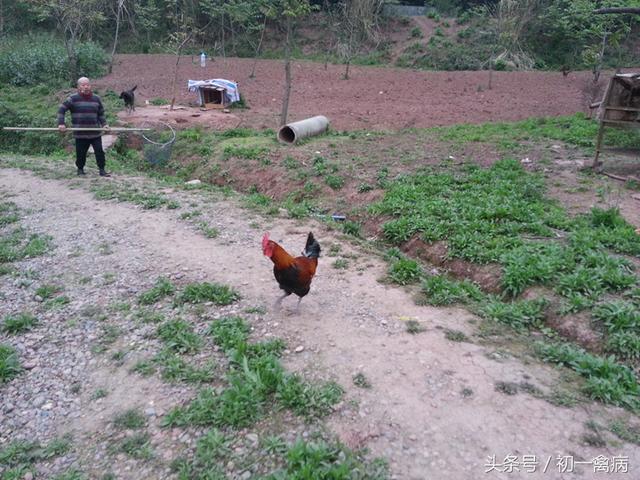
2. Supplying intermediate groups such as market stalls and restaurants: Such groups require chickens raised to be older and good-looking, and about 200 per mu can be kept, because their volumes are generally within 100 birds, so many of them ask for delivery and will not come to the farm themselves to pick up the goods, and the requirements for your farming environment will not be especially high.
3. Facing end-consumer experiential spending: Those who serve this kind of customer group generally belong to high-end consumption. If you want people to pay for it, you must make them feel it is worth the price. When customers come to your site to visit and experience it, seeing the beautiful environment for the chickens, nestled by mountains and water, with low density and beautiful chickens, they will not only feel they are enjoying themselves but will also bring friends along to experience it, so this density is best kept at 100 per mu, and the group size should be small, provided that you can sell at a sufficiently high price.
4. Farmers raise them, you sell them: If someone truly makes this route work, then their sales volume will certainly be very high. Here I have met several sales-oriented clients who hatch and brood the chicks themselves, distribute them to farmers, 30-50 per household, and then collect them at set times. The quality of the chickens is extremely high, and it can basically be said that on average just about 10 chickens cover the range of one mu.