Lucky bamboo market trends "two, three, four": growing 2 mu of land can earn over 20,000
A few days ago, I went back to my rural hometown and heard farmers gathered together after meals, eating watermelon and discussing the current situation of rural development. They all said that it is really hard for farmers to make money these days. At the start of this year, corn prices suffered a Waterloo, not only failing to sell, but also falling to a price where even the cost could not be recovered.
Right after that came the poor sales of live chickens, eggs and vegetables, and recently imported pork and beef have led to price drops in domestic meat products, because the prices of these foreign agricultural products are simply too cheap. In fact, the reason foreign products are cheap is mainly because their planting and breeding costs are low. Hearing this, I could not help but feel that farmers are now rather pessimistic about getting rich, but they said that the entire neighboring village is still sticking to a poverty-alleviation and wealth-building project, and they have persisted on this path. What is this project?
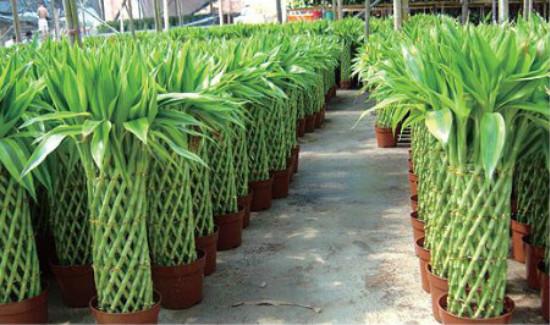
It is the lucky bamboo often seen in supermarkets, flower shops and homes. It actually belongs to a perennial evergreen green plant, and it is a plant native to foreign countries that was introduced to China in large quantities in the 1980s. At the beginning, people thought for a long time just to come up with its name, and in the end the name lucky bamboo was the most popular, because Chinese people buy it to seek good fortune. More importantly, not only are its stems and leaves slender, but it also looks especially elegant and graceful, so it is particularly popular in the market. How is lucky bamboo cultivated? Although it can be grown hydroponically or in soil, its cultivation is still rather troublesome. It not only needs a greenhouse for shade, but it is also best to use paddy fields to help them grow better.
Its planting density is about 15,000 plants per mu, and fertilizer is still needed later, mostly compound fertilizer. Nowadays there is a saying about the lucky bamboo growing market called "two, three, four", which basically means that only in the later years will the benefits of cultivation gradually become apparent. At present, the wholesale price of lucky bamboo is between 1-2 yuan, while the retail price is basically more than 10 yuan per stalk, so the profit margin in between is still very large. Especially for a variety called Hainan lucky bamboo, basically after the third year, about 2 mu of land can earn more than 20,000 yuan. For specific planting details, you can consult the farmers who are doing it.