Paraquat ban postponed for one year; Bureau of Animal and Plant Health Inspection and Quarantine: phase-out remains unchanged, clear out stockpiles first
On the eve of the paraquat ban taking effect, a further one-year postponement was announced! In view of the current excessive paraquat inventory, with pesticide dealers and farmers still holding 700 metric tons of paraquat, and to avoid farmers keeping it at home and not daring to use it, which could create other risks, plus the Council of Agriculture's assessment that it would take about one year to use up the inventory, it was announced yesterday (the 30th) that the originally scheduled ban on the sale and use of paraquat would be postponed by another year, and would instead formally take effect from February 1, 2020. Feng Haidong, Director-General of the Council of Agriculture's Bureau of Animal and Plant Health Inspection and Quarantine, stressed that the paraquat phase-out policy has not changed, and urged dealers and farmers not to buy and stockpile any more.
News glossary: The Council of Agriculture launched a ten-year policy to halve pesticide use, but in 2017 Taiwan's total pesticide use reached 10,549 metric tons, the highest since 2000 and an increase of 1,045 metric tons over the previous year. Herbicide use reached 4,392 metric tons (calculated by active ingredient), also setting a record high. Feng Haidong said in an interview that before the paraquat ban, many farmers rushed to buy and stockpile it, about two years' worth of normal sales, which caused total pesticide use in 2017 to hit a 17-year high.
The 24% paraquat solution was originally scheduled to be banned today (2019) in February, and is now extended by one year
The pesticide paraquat is highly toxic and is often misused by the public or used in suicides with no antidote available. BAPHIQ announced that starting from February 1 last year, the manufacture and import of "24% paraquat solution" (hereinafter referred to as paraquat) was prohibited, and it was originally scheduled that from February 1 this year, the sale and use of all paraquat products would be fully banned.
Pesticide dealers must report their production and sales data quarterly. BAPHIQ's latest inventory check on the 15th of this month found that there were still more than 700 metric tons of paraquat in the hands of dealers and farmers on the market. If farmers keep it at home and do not dare to use it, it could create other risks, so it was decided to extend the ban deadline by another year. "Right now there is simply excess inventory. If we took it all back for disposal, that would also be a huge burden. The most common way to use up pesticides is to let the market gradually consume them, and we may also consider exporting some paraquat products," Feng Haidong said.
However, BAPHIQ Deputy Director-General Zou Huijuan added that although export is also one channel for using up the stock, and paraquat exports are not currently banned, data on sales by pesticide retailers show that the amount currently in farmers' hands is greater than the inventory held by dealers. "Farmers would not have the ability to export. If paraquat is left sitting at home, it will only raise the risk of misuse, so extending the deadline and promoting the safe use of paraquat until it is used up is the priority approach now."
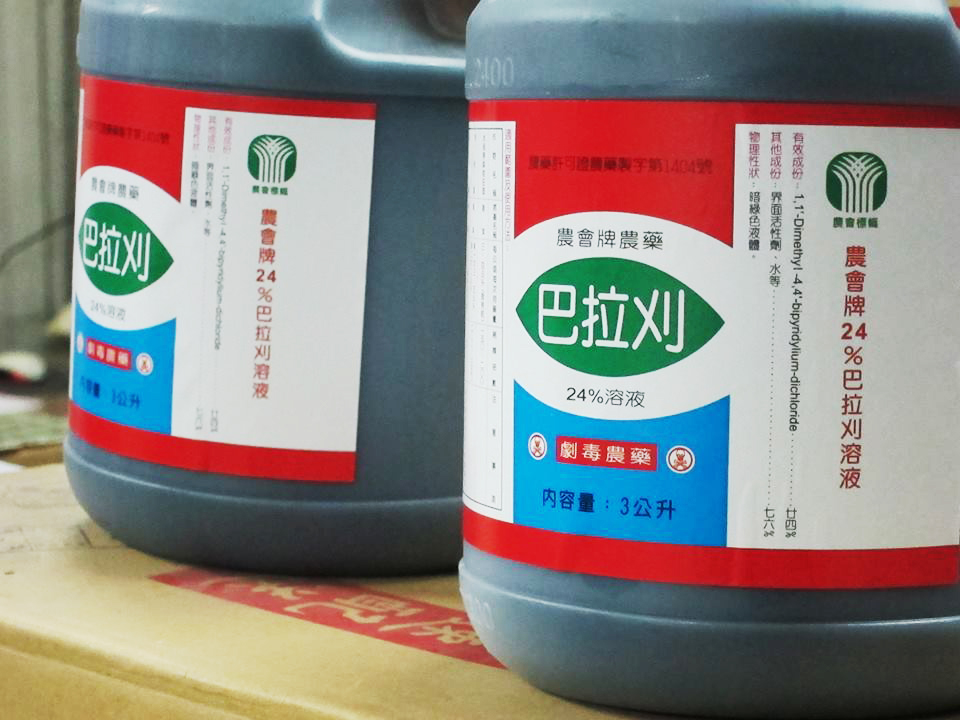
If stockpiling continues, will the extension keep being prolonged? BAPHIQ: The market could no longer manufacture or import it as of one year ago
Feng pointed out that planning a pesticide phase-out requires considering its period of use and the progress of using up stocks, but reality does not always match expectations. Similar situations have occurred before: the highly toxic pesticide "methamidophos 40% emulsifiable concentrate" was originally planned to be phased out on December 31, 2010, but a later count found that market inventory was too large, so the ban deadline was extended by two years. "Extending pesticide bans is not common, but market conditions also need to be taken into account and adjustments made in a timely manner."
Would this then raise concerns that farmers might keep buying and that the use ban might have to be extended again in the future? He responded, "The market could no longer manufacture or import paraquat as of one year ago (from February 1, 2018). The total amount now is just this much (700 metric tons)." He stressed that the government already has the data and the total market volume will no longer increase.
Feng Haidong further explained that paraquat was formerly commonly used for weed control and for treating adzuki bean drying, and is a pesticide used in extremely large quantities in the country, with average annual technical material use of about 400 metric tons. At present, there are still 700 metric tons of finished paraquat, equivalent to about 180 metric tons of technical material in active ingredient terms, so it is estimated that giving another year will be enough to use up the market inventory.
He stressed that the paraquat phase-out policy has not changed, and that the only aim is to reduce stockpiling risks by extending the period of use. He also urged farmers not to buy and stockpile any more, and said that as long as they follow safe-use guidelines, they need only safely use up their current paraquat stocks as quickly as possible before the deadline at the end of January next year.
Ban on "33.6% paraquat-diquat suspension concentrate" unchanged, prohibited starting February 1, 2019
As for the previously promoted paraquat alternatives: nonanoic acid, which can be used for weed control, and the new adzuki bean plant desiccant "NA-yci1 adzuki bean plant drying treatment agent," both are safe materials. BAPHIQ stressed that it will continue to promote them, and still hopes farmers can replace high-risk pesticides with relatively safe and friendly materials.
On the other hand, "33.6% paraquat-diquat suspension concentrate," also included on the pesticide phase-out list, is a mixture of paraquat and diquat. Because there is no concern of excess inventory, the ban proceeds as scheduled. Starting tomorrow (February 1), dealers who violate the rule by selling it may face up to 7 years' imprisonment under the Pesticide Management Act and a concurrent fine of up to 7.5 million yuan, and members of the public who illegally use it will also be fined between 15,000 yuan and 150,000 yuan.