Food waste ban hits the black pig industry chain, Pingtung calls for attention to non-food-waste feed
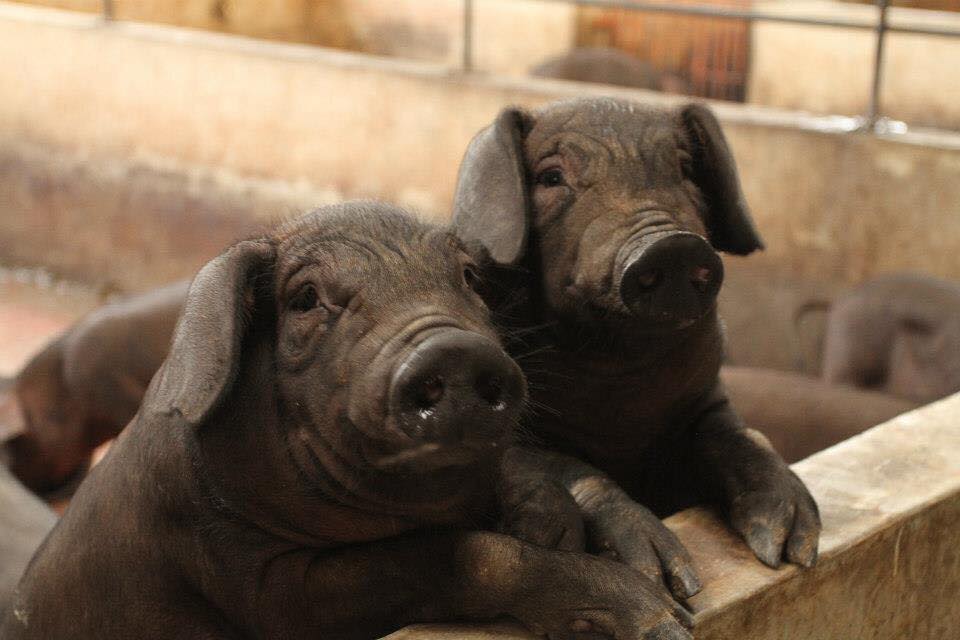
To block African swine fever, food waste has become a battleground in domestic epidemic prevention, even triggering a civil war between the camp that raises white pigs on feed and the camp that raises black pigs on food waste. Because of black pig farming methods and long-standing historical factors, food waste has always been their main food source, and the government's strict food waste ban has had a direct impact on the black pig industry. In addition to downstream pig farms, even upstream sows and black piglets (young pigs) have also been affected.
Huang Guorong, director of the Agriculture Department of the Pingtung County Government, called on the government to accelerate the conservation breeding of black pigs and develop feed suitable for black pigs to eat, and said epidemic prevention cannot focus only on food waste. Non-food-waste feed ingredients such as meat-and-bone meal should also be monitored at the same time in order to fully implement epidemic prevention.
Feed sources other than food waste also need simultaneous attention
Regarding the battle against African swine fever, Huang Guorong emphasized that although raising pigs on food waste is certainly a key point in epidemic prevention and a route of virus transmission that must be taken seriously, in fact the feed eaten by 88% of feed-raised pigs also needs simultaneous attention.
He further explained that among the raw materials and additives in pig feed, in addition to corn and soybeans, there are also animal proteins, meat-and-bone meal and pig blood meal to supplement protein and serve as nutritional sources for pigs. "These must also have relevant testing and precautions in place." Otherwise, while focusing on pigs raised on food waste, it may cause feed-raised pig farmers to become lax, creating an even bigger epidemic prevention loophole.
He mentioned that African swine fever virus genes had recently been detected in two batches of pig blood globulin powder that China's Tianjin Enbi Company had planned to export. "Regardless of whether China might sell it in through a third place, from the standpoint of epidemic prevention, all feed must be guarded and checked."
Because domestic testing of pig feed currently only targets heavy metals, Huang Guorong said bluntly that the intensity is simply not enough. He believes reference can be made to the control measures for cattle feed. To avoid the transmission of mad cow disease, animal protein must not appear at all in cattle feed, so official border inspection and feed mill inspections are both very strict. He suggested that at the current stage of epidemic prevention, testing intensity should also be strengthened for pig feed raw materials and feed mills.
"This is not to say that animal protein cannot be added to current pig feed at all, or that we must ban it entirely. That kind of handling would not be good either. I think raw materials and additives should be properly checked, and African swine fever virus-related testing items should be added for all added animal proteins, meat-and-bone meal, pig blood meal and so on," only then can the safety of the feed sources used by the 88% of feed-raised pig farmers be ensured, and only then is it truly comprehensive epidemic prevention.
At the same time, he also reminded that biosecurity epidemic prevention on farms is also very important. In addition to doing disinfection procedures well in normal times, during this period unauthorized people should also be prohibited from entering and leaving farms, access control should be stricter than before, and disinfection around farms should also be carried out more frequently.
Special articles:
- The battle over epidemic prevention and food waste 01"A direct look at raising pigs on food waste. Pig farmers: This is our life and property, and we are more afraid of getting hit than anyone else!
- The battle over epidemic prevention and food waste 02"Civil war among pig farmers: Raising pigs on food waste is high-risk and outdated VS food waste can be further finely sorted after high-temperature cooking
- The battle over epidemic prevention and food waste 03"Expert opinion: If you want to use food waste, you have to do it perfectly, otherwise leave the industry! Sorting food waste into meat and no meat reduces risk
- The battle over epidemic prevention and food waste 04"The food waste ban was rushed, and the Environmental Protection Administration is up in arms: "Swine fever has not even arrived yet, and the country is already in chaos"
- The battle over epidemic prevention and food waste 05"Opportunities and challenges of composting! Local decentralized food waste production, even Daan Forest Park can do it
- The battle over epidemic prevention and food waste 06"A comprehensive inventory of food waste generation and disposal capacity across Taiwan (six special municipalities)
- The battle over epidemic prevention and food waste 07"A comprehensive inventory of food waste generation and disposal capacity across Taiwan (Yunlin and Pingtung)
- The battle over epidemic prevention and food waste 08"Pingtung has something to say: The food waste ban hits the black pig industry chain, and non-food-waste feed also needs attention