Is the potted white snow flower easy to grow? Detailed guide to cultivation methods and sowing time
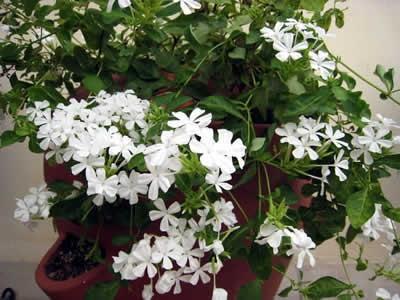
The white snow flower is an ornamental flower, but generally very few people grow this kind of plant. It is not that this plant is difficult to grow, but that few people appreciate it. So, would you like to grow this kind of plant? If so, let's take a look together! Potted white snow flower
The white snow flower is an ornamental flower, but generally very few people grow this kind of plant. It is not that this plant is difficult to grow, but that few people appreciate it. So, would you like to grow this kind of plant? If so, let's take a look together!
Cultivation methods for potted white snow flower:
To grow, you need peat pots, granules, plastic flats, egg cartons with holes poked in the bottom, or other shallow containers with good drainage; growing medium (a special soilless mix for seeds is best); a plastic humidity cover or plastic bag; water, fertilizer, labels, warmth and light. If you reuse plastic jars or pans, make sure they are thoroughly cleaned - a few minutes in the microwave should sterilize them - then add the moistened mix to 1/2 inch from the top. Or use peat pellets, which expand when moistened and can be transplanted whole without disturbing fragile roots. Whatever container you use, place them in a waterproof tray so you can water from the bottom, so the seeds will not be disturbed. Keep the mix moist, but not soggy.
Plant the seeds according to the package directions - usually two to three times the diameter of the seed. Seeds that need light to germinate should barely be covered. Label each container with the plant name and variety as well as the sowing date, then cover it with a humidity dome or place it in a plastic bag until the seeds germinate - but allow air circulation by not sealing the bag. Bottom warmth (75 to 85 degrees Fahrenheit) helps seeds germinate, so place the tray on a heating mat, or on top of a refrigerator or radiator.
Once the seeds germinate, they need light. A sunroom or windowsill can get plenty of natural light (daytime temperatures of 60 to 70 degrees Fahrenheit), but most gardeners need to place their seedlings under fluorescent lights or full-spectrum lights for 12 to 16 hours a day. Inexpensive “shop lights” will work fine. Place the lights directly above the seedlings and adjust them upward as the plants grow. When the plants have two sets of true leaves, add half-strength liquid fertilizer, such as fish emulsion, to the watering tray once a week.
Some seedlings may need to be transplanted into larger pots to give them space to grow and develop their root systems. Use the same procedure and seed mix. Handle the baby plants gently by their leaves rather than the stems or roots, and try to keep the tiny root ball intact when moving the plants into new pots. Poke a hole in the moistened mix with your finger, place the seedling into the hole, then gently firm the mix to eliminate air pockets. Water and fertilize as before, and provide plenty of light and gentle air circulation.
Before transplanting the plants into the outdoor garden, the seedlings need to be hardened off. This means gradually adjusting them to the outdoors by placing them in a sheltered, shady spot for a few hours each day. Each day, increase the time and light exposure. Keep them watered, because small pots dry out quickly outdoors. After a week to 10 days, the plants should be ready to transplant into the garden - although if the temperature is especially cool, you may still want to cover them with newspaper at night.