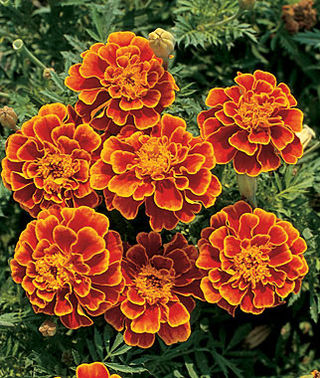
What month do you sow marigold seeds? Grow them well this way
Marigolds are one of the most popular annual plants in North American gardens. Nowadays, many people in our country are also very fond of this flower, and marigolds are very easy and reliable under all kinds of growing conditions. So do you know how to grow this flower?
Marigold growing techniques:
Once marigolds are planted, they grow quickly. Most thrive in full sun, taking hot, sunny exposure in stride. Marigolds can even handle the reflected heat and light from paved surfaces, as long as they can get regular moisture. However, if there is bright light for the rest of the day, marigolds can tolerate up to 20% shade. In fact, the lovely white 'Snowdrift' actually prefers afternoon shade in areas with extreme summer heat.
Marigolds are not at all picky about soil, and as long as it is not constantly wet, they accept poor to average soil without complaint. In fact, marigolds bloom better and more profusely in poorer soil. Too rich a diet stimulates lush foliage at the expense of flowers.
Marigold flower seeds are very easy to handle, and in warm weather the seeds sprout within a few days when sown directly in the garden at a depth of about 1 inch, and the plants bloom in about 8 weeks. For best results, thin or transplant young marigolds while they are still small, spacing French and signet types 8 to 10 inches apart. Larger American varieties should be at least 10 to 12 inches apart. Marigolds grown in containers may become a bit crowded.
Plant or transplant young marigold plants outdoors after all danger of frost has passed and the soil has warmed and dried out a little. French and signet types can be planted anytime through midsummer, but the taller American marigolds are best planted in spring because they mature more slowly. On cloudy days, protect marigold seedlings from the stress of the hot sun while they deal with transplant shock.
Loosen and aerate the soil by digging about 6 inches deep. Remove rocks and debris, and mix in some granular fertilizer. 5-10-5 works fine. Place each marigold plant in a hole about the size of its root ball, and gently firm the soil around the roots for support. Then water each plant thoroughly. Grow marigolds in containers in a soilless potting medium. At planting time, mix in a slow-release granular fertilizer or plan to water regularly with a diluted liquid fertilizer.