A detailed explanation of seedless papaya cultivation techniques: is it genetically modified?
Papaya gives people the impression that its seeds are as black and large as tapioca pearls, but have you ever seen a seedless papaya? When you eat papaya, you must remove the papaya seeds. Now that seedless papaya exists, people who like eating papaya will surely be very happy! What are seedless papaya cultivation techniques about? Is seedless papaya genetically modified?
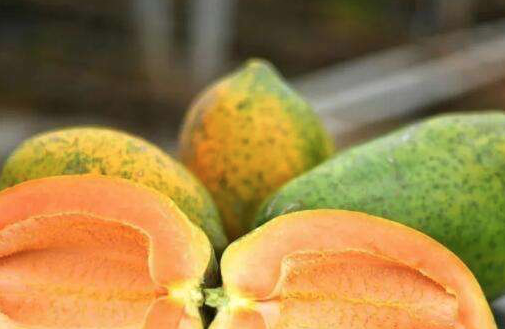
In the Mingjian area of Nantou, some papaya farmers go against the norm of applying pesticides and use organic methods to grow net-house papaya, using coffee grounds, sheep manure, cow manure, or discarded shiitake mushroom space bags to make fertilizer. At the same time, when the papaya is close to ripening, they first remove some of the smaller fruits from the fruiting buds. With incomplete pollination, the smaller fruits become "seedless papaya." Therefore, seedless papaya is not a genetically modified food.
Papaya farmer Chen Junteng says that papaya is easily harmed by diseases and insects, so the net house needs to be kept clean, which consumes a lot of cleaning manpower. At the same time, natural ingredients such as sunflower oil and salad oil are used to prevent aphids from growing. In addition, they need to get up at 4 a.m., turn over papaya leaves to look for scale insects, and use small brushes to remove these pests that are harmful to papaya growth.
Chen Junteng states that in order to keep the papaya he grows at good sweetness, he picks off the small ones when the fruit is about to set. In addition to concentrating nutrients in the remaining papaya fruits, this can also control the pollination state of the papaya and keep the fruit size moderate. These are all the secrets to making papaya delicious with few seeds.