A Detailed Guide to Melon Planting Time, Methods and Management Techniques
Melon is a vine fruit. Do you know how to grow this fruit, and do you know when its planting time is? What are its planting methods? Let's take a look together, try growing it yourself - eating fruit you grew yourself is a very happy thing!
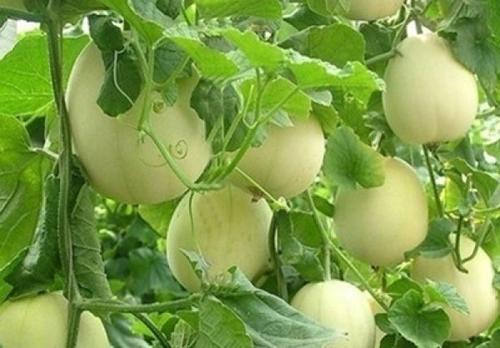
Melon planting techniques and management:
1. Soil: Melons prefer sandy, light, fertile soil rich in manure and compost. The soil must be only slightly acidic: pH 6. Since the vines are grown on hills, good yields can be achieved by placing plenty of rotted manure and fertilizers such as bone meal into each hill before planting. Hills are 5 to 6 feet apart. Work the soil to a depth of 12“ and work in some compost (preferably from cattle, horses or poultry). Use a rake to shape the hills into 4-6 inch high, flat-topped mounds and water wells. Melon rinds are suitable for composting; they break down quickly and are rich in phosphorus and potassium.
2. Planting melons: Sprouting is generally in 7-10 days. Melon seedlings are best planted from late March to early April. Start them indoors 4 to 5 weeks before the outdoor planting time. Since the plants are sensitive to coolness, the soil must be warm and the weather warm and calm day and night. If nights are cool, use hot caps to protect the plants. Melons can be sown directly outdoors, but some gardeners report better germination with pre-sprouted seeds. Consider adding row covers outdoors, which can be removed one week after the plants begin growing. Row covers help raise the temperature, tame the wind and exclude insects.
3. For both direct sowing and transplanting, cover the seedlings with hot caps to prevent frost, speed their growth, and protect against pests. Vines do best if planted on hills. Rows and hills should be set 5 to 6 feet apart one way, with 2 or 3 plants per hill. Thin to the two strongest plants within a week. Melons are widely grown, ground-hugging vines with soft, attractive foliage. Flowers appear suddenly, and it is very interesting to see the petals fall and small melons begin to develop.
4. To encourage side shoots, pinch out the growing tips when the seedlings have 3 leaves. When the new side shoots have 3 leaves, pinch out the central growing point again. When the fruit begins to form, pinch the vine back to two leaves beyond the fruit. Make sure fruits on a trellis are supported by netting or pantyhose, and that fruits on ground vines are lifted by empty cans to prevent disease and promote ripening.
5. They also need plenty of water as they begin to develop. Furrows near the plants can be flooded for efficient watering. For fertilizer, give each hill about 1/2 cup of 5-10-5 fertilizer, liquid fertilizer or fish emulsion 3 weeks after planting, and again after flowers appear (if you can find the original hills). Keep the hills well watered until the time the fruit begins to fill out. Since weeding and cultivation are problems with spreading vine crops, black plastic or a thick mulch proves an excellent help in keeping weeds down, conserving soil moisture and keeping melons off the ground as they develop. Plastic mulch should be laid on the ground and secured before planting, then center holes cut for the hills, with some extra slits to let rain and hose water filter through.