How Many Years Until Figs Bear Fruit? A Detailed Guide to Planting Time and Management Techniques
The fig is a fruit that is not commonly found on the market these days, and this kind of fruit is also relatively expensive. So, would you like to grow figs yourself? Then let us take a look together at what fig growing methods are like, and learn about them together.
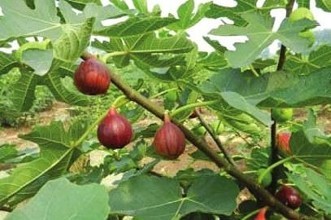
When is the best time to plant figs? The best time to plant figs is in spring; the period from mid-March to early April is most suitable for planting figs. Generally, figs can bear fruit in the same year.
Fig planting techniques and management:
1. Variety selection: Choose high-quality fig varieties that are disease-resistant and highly adaptable. Large fruit with high sugar content and a relatively refreshing taste will be favored by market consumers, and is also better for your own consumption.
2. Selection of planting plot: The fig tree's root system is very well developed, so choose a plot with deep soil; the soil is best as sandy loam that is weakly alkaline or neutral loam.
3. Cultivation and field planting: Generally, spring planting is the main method, with autumn planting as a supplement. Spring planting can be done from mid-March to early April each year, while autumn planting can be carried out at the end of November. When planting, it is recommended to dig deep holes, apply sufficient base fertilizer, and water thoroughly.
4. Fertilizer and water management: On the basis of applying sufficient base fertilizer at planting, figs also need a topdressing about every 2 months. Before fruiting, mainly use nitrogen fertilizer; during the fruiting period, you can increase the application of phosphorus fertilizer, potassium fertilizer, and calcium fertilizer. Note that after each topdressing, you should turn the soil and water, but do not water too much each time; just keep the soil somewhat moist.
5. Pay attention to the prevention and control of pests and diseases: Generally, as long as they are cared for properly, figs usually do not suffer from pests and diseases, which is also one of the advantages of growing figs. However, you can still take more precautions against rust disease, anthracnose, and longhorn beetle pests.
Now you know how figs are grown. Would you like to try growing them yourself? Then take action right away.