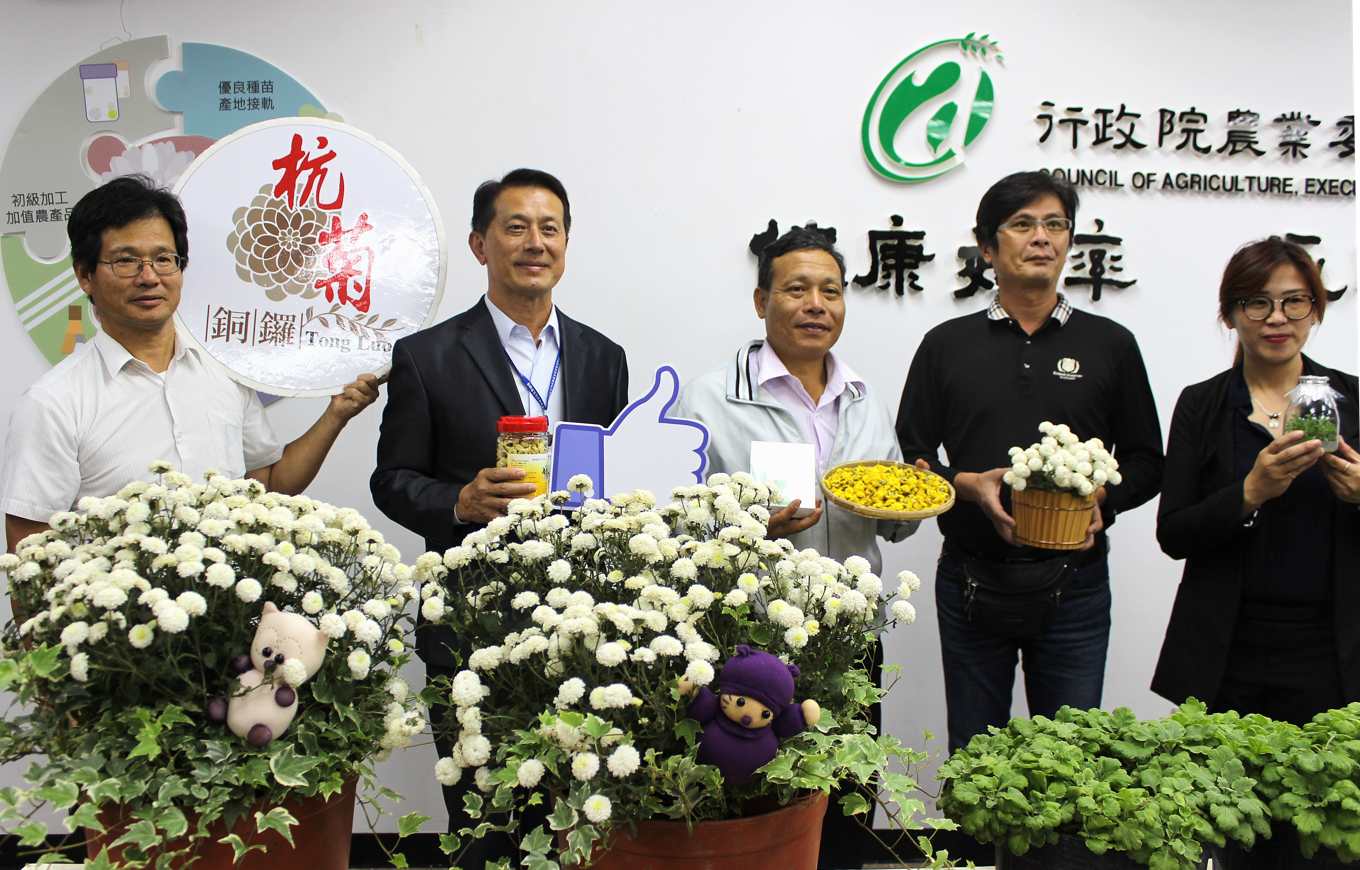
High rate of unqualified pesticide residues in Hangzhou chrysanthemum; seedling nursery develops healthy seedlings to safeguard from the source
Taiwan, China's Hangzhou chrysanthemum is of excellent quality, but farmers mostly propagate it by division, which makes it hard to tell when plants are diseased, thereby impacting yields. To boost domestic chrysanthemum production capacity, the Seed Improvement and Propagation Station (referred to as the "Seed Station") first selects elite mother plants of Hangzhou chrysanthemum, then mass-propagates them through tissue culture technology, and transfers the healthy seedling technology to nursery growers, hoping to safeguard plant health for farmers from the source.
Chang Ting-lin, director of the Seed Station, said: "It's like the concept of eugenics - once you get healthy seedlings, management is easier than for others." The selected healthy seedlings can improve many problems of inherently poor plants, and in subsequent cultivation can also reduce the labor cost of replanting and lower the amount of disease-resistant pesticides used, achieving the goal of being environmentally friendly and making food production more reassuring.