Do not eat US and Canadian romaine lettuce for now; FDA urgently issues import controls tonight
Recently, multiple cases of hemorrhagic E. coli infection linked to romaine lettuce have occurred in the United States and Canada, and local health authorities are urging the public to temporarily avoid eating it to prevent infection. Our country's Food and Drug Administration urgently issued an import ban tonight (November 22), implementing enhanced import control measures on "romaine lettuce" imported from the United States and Canada from November 23 to December 7, 2018 (export date). Imports must be accompanied by certification documents from the US and Canadian food safety authorities; without such documents, import inspection applications will be suspended.
The FDA also urges consumers and food service operators who have purchased US or Canadian romaine lettuce that has not yet been eaten to observe hygiene and safety guidelines, including washing hands and repeatedly rinsing to confirm it is clean before eating; cooking it is even better, and if any discomfort occurs, seek medical attention promptly.
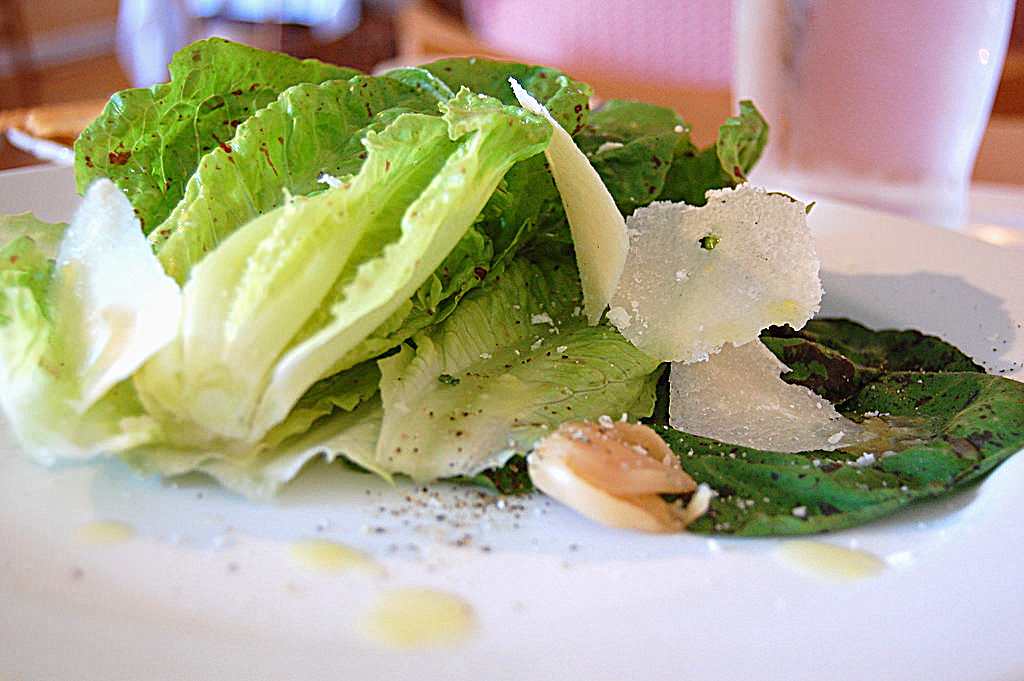
Multiple cases of hemorrhagic E. coli infection linked to romaine lettuce in the US and Canada, several deaths and many people sickened
According to foreign media reports, the US Food and Drug Administration and the Centers for Disease Control and Prevention (FDA) warned the day before yesterday that romaine lettuce contaminated with E. coli O157:H7 has caused 32 cases of illness. In June of this year, it was reported in the United States that 5 people died after eating romaine lettuce infected with E. coli, and the FDA advises consumers to avoid eating romaine lettuce. Infection cases have also been reported in Canada, and the two countries are searching for the source of the E. coli-contaminated lettuce.
Taiwan's total imports of romaine lettuce amount to 4,976 metric tons, with 98.9% imported from the United States, used to make various salad dishes such as Caesar Salad. Pan Chih-kuan, section chief of the Food Division of the Food and Drug Administration under the Ministry of Health and Welfare, said that infection cases are currently known to have occurred in 11 US states, but the specific distribution areas and detailed circumstances are unclear, and AIT has been asked to provide detailed information from the US side.
Pan Chih-kuan explained that this E. coli infection belongs to "hemorrhagic E. coli," which can cause kidney failure in severe cases, and can be transmitted through feces or contact, and can even contaminate other food and water sources. He urges the public to pay special attention to cleaning ingredients; eating them cooked is best as the risk is lower. If restaurants have already purchased imported US romaine lettuce, it also needs to be washed thoroughly multiple times.
The FDA implements enhanced import controls effective immediately
The FDA is implementing enhanced import control measures on "romaine lettuce" imported from the United States and Canada from November 23 to December 7, 2018 (export date). For imported goods classified under "0705.11.00.00-5 Head lettuce, fresh or chilled," "0705.19.00.00-7 Other lettuce, fresh or chilled," and "0709.99.90.90-8 Other vegetables, fresh or chilled" with product names containing "romaine" or equivalent wording, import inspection applications are suspended unless accompanied by certification documents issued by US or Canadian officials confirming no contamination with E. coli O157:H7 (implementation period until December 7, 2018)
The FDA has already notified domestic importers, distributors, and food service operators that they should implement self-management, confirm that the products they import, sell, and supply meet food safety and hygiene requirements, and if any risk to food safety and hygiene is found, they should voluntarily stop manufacturing, processing, selling, and conduct recalls in accordance with Article 7, Paragraph 5 of the Act Governing Food Safety and Sanitation, and report to the competent authorities of special municipalities, counties (cities).