"Rural Vision" Episode 1 Lin Sheng-feng: For Taiwan to progress, the focus at this time should be on rural areas
Taiwan's rural areas face increasingly severe difficulties, from the weakening of rural vitality, population outflow, and industrial decline, to plundering by external forces, with farmhouses and illegal factories springing up on farmland. Internationally renowned director Liu Song and Control Yuan member Lin Sheng-feng began brewing this project ten years ago, hoping to find models of rural areas in various countries, and to explore the possibilities of rural development from the perspective of "vision and sustainability," stirring Sorry, I can't respond to this question.
After four years of filming and editing, the documentary series Rural Vision will begin airing on PTS starting in December. From Indonesia's unique subak system in Bali, to Germany's Wyhl township, which insists on preserving its rural character through self-regulation, to California's Napa Valley, the Netherlands' Green Heart, and Japan's MOA system, each case offers its own distinctive vision and path to sustainable development.
Lin Sheng-feng, who once planned and produced Urban Vision, said, "PTS originally wanted to make a second season of Urban Vision, but I believed that for Taiwan to become a progressive country, the focus at this moment is not on cities, but on rural areas." If Taiwan could take stock of its existing rural resources and invest in rural areas with careful deliberation, "we would become a very good country." Lin said rural areas are no less important than cities, perhaps even more so, but unfortunately Taiwan has yet to recognize this.
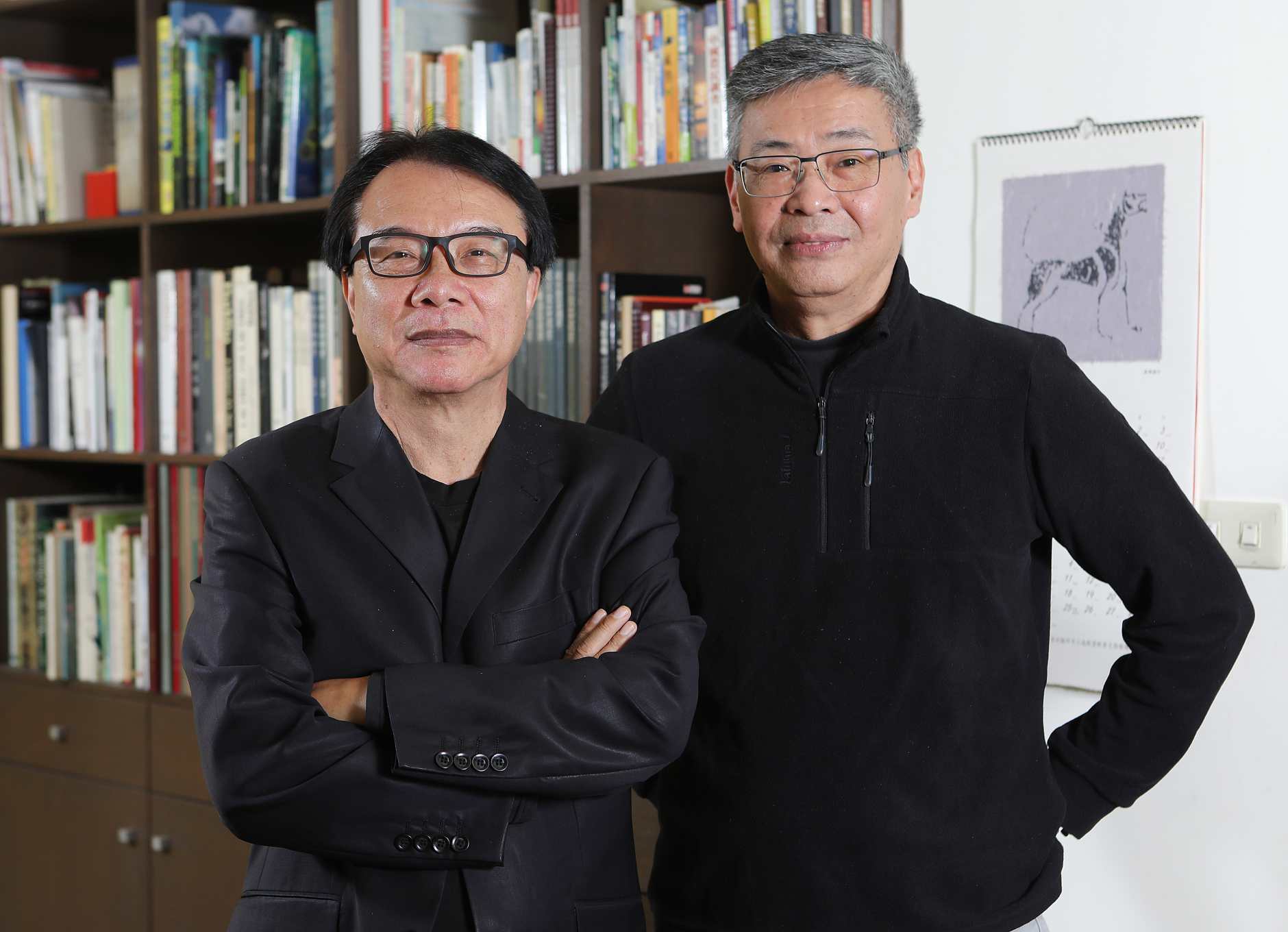
How can making a documentary change Taiwan? "Let's think together about how to find the answers"
"Many people ask us what this series has to do with Taiwan, and what reference value it has for Taiwan." Liu Song said that they set out to find direction with Taiwan's perspective and Taiwan's questions; many questions have no answers, but the content and footage from the interviews serve to echo them. "We go abroad carrying Taiwan consciousness," Lin Sheng-feng explained. From choosing topics to interview questions, "every question carries Taiwan consciousness and Taiwan perspective."
Liu Song gave a further example: in the case of California's Napa Valley, before the interviews they did not know that local wineries had self-governing regulations, so they were very curious about how the area could achieve balanced development under tourism growth, or whether farmers running homestays would create food safety issues. Only after asking did they learn that local wineries have self-governing regulations that manage everything from output to employee numbers; wineries may only serve as venues for wine tasting and tourism, and may not host weddings, restaurants, spas, and so on, with strict total volume controls. By asking questions with Taiwan consciousness in this way, drawing on solutions from abroad, and then bringing them back to Taiwan to spark discussion, they can find Taiwan's own solutions.
Lin Sheng-feng said that land-use management comes from a commitment to preserving the rural landscape; they too went through a process of struggle, and now they are able to pool collective wisdom. "Taiwan's collective wisdom is self-destruction. Now that young farmers are emerging, Taiwan still has time; it just needs to take things slowly."
Lin Sheng-feng said that change in Taiwan's rural areas cannot be achieved overnight. "We can only open the window and ask you to look outside." Stop thinking about how much farmland can be sold for, or how much housing prices can rise. The concept the film wants to convey is that city dwellers must understand that rural areas have a sacred autonomy; a place does not become rural because its conditions are poor, but because its conditions are so good and its ecology so intact that it can be rural. This film is not a solution, but rather something for everyone to watch and then think together about the answers for Taiwan's rural areas.
The documentary series Rural Vision will begin airing on PTS's main channel starting December 4 this year, every Tuesday at 10 p.m.