Snake Plant Can't Do Without These 2 Things: New Shoots Sprout Vigorously and Leaves Grow Hard as Iron
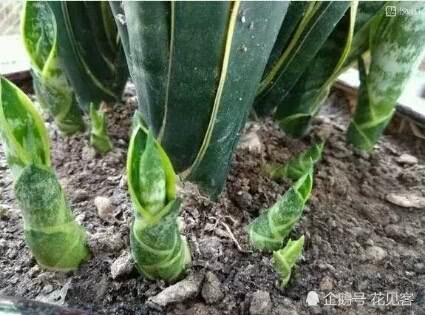
The snake plant (Sansevieria) is a foliage plant loved by many gardening enthusiasts, with leaves that grow in upright clusters, thick and leathery, bearing irregular dark green cloud-like horizontal stripes on both sides, closely resembling a tiger's tail, and possessing very high ornamental value.
Gardeners who grow snake plants all know it is not a particularly heat-tolerant or cold-tolerant plant. As autumn arrives, some gardeners report that their snake plants have soft leaves and have lost their luster. Today, Hua'er will introduce to everyone these 2 things that are indispensable for growing snake plants -- new shoots will sprout abundantly, and leaves will grow hard as iron!
Snake plant growth requires sufficient nutrients, such as nitrogen, phosphorus, potassium and some trace elements. Soybeans are rich in nutrients and, after fermentation, can release abundant nutrients, supplying the elements the snake plant needs for growth, prompting rapid sprouting and growth. As autumn arrives and temperatures drop lower and lower, to boost its resistance, the best thing is to give it some monopotassium phosphate solution, so the leaves harden quickly, resistance improves, and it can better get through winter. So these two things are soybeans and monopotassium phosphate.
Specific steps:
1. Soybeans
Take an appropriate amount of soybeans, first soak them in clean water overnight. After they have expanded, put them in a pressure cooker and simmer for about one hour. After cooling, scoop out the beans and mash them (the soybean liquid can be mixed with some rice-washing water and fruit peels for fermentation treatment, and used for growing plants with particularly good results). Dig some small holes around the pot near the edge, avoiding the tuberous roots when digging. Put a small spoonful of mashed soybean into each small hole, then cover with soil.
2. Monopotassium phosphate
Monopotassium phosphate can make snake plant leaves hard as iron and increase resistance. When using it, control the amount and frequency. Generally, prepare a 0.3% monopotassium phosphate solution, pour it into a fine-nozzle sprayer, then spray it onto the leaves. When spraying, make sure to spray both sides evenly. Usually spray in the evening and rinse with water the next day, as this better helps absorption. Use 1-2 times per month.
That's all for snake plant care. If gardeners have other additions, you can share them with everyone in the comments section below. To learn more about plant care knowledge, you can follow Hua Jian Ke!