Add this to old potting soil when repotting, and it becomes even more fertile than new soil
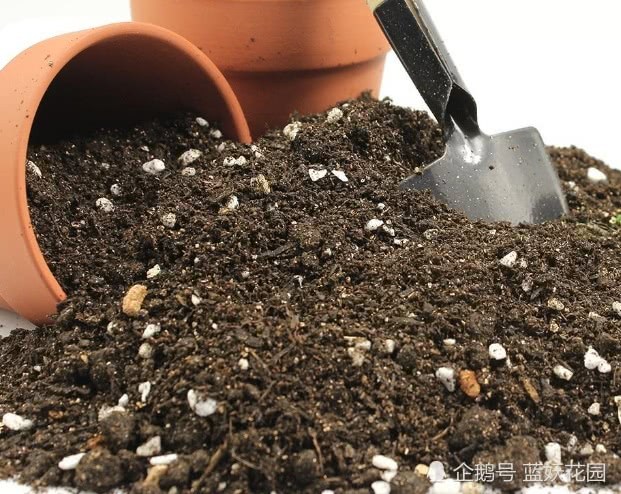
0079. Can the old soil and flower pots left after autumn repotting still be used? How should they be handled? Let me teach you a trick to make them even more fertile than new soil!
Autumn is the repotting season for many potted flowers, but what should you do with the old soil and old flower pots left over? It really feels like a waste to throw them away, yet you do not know how to handle them?
For people who love growing flowers, digging up some soil is really no easy task. Many potted plants need their potting soil changed every year, and many balcony gardeners have nowhere to dig soil, so they have to buy special potting soil. Even if you live in the countryside where there is soil to dig, it is definitely a test of physical strength, so reusing old soil is absolutely necessary.
Many flower lovers worry that using old soil and old flower pots directly will bring pathogens and pests. In fact, for the vast majority of flowers, using them directly is not as harmful as legend makes it out to be; it is only a matter of probability. Of course, for some more delicate flowers, we still cannot use them directly.
In fact, the biggest drawbacks of using old soil directly are the loss of fertility, and the residual roots of previous plants in the soil, as well as some fungi, and the possible presence of insect eggs.
To reuse old soil, the best approach is to treat it first before using it.
How to turn old soil into new soil
For the old soil left after repotting, Lanyao suggests you still should not use it directly. If you do want to use it directly, then in the mix it can only make up a very small portion.
For the old soil left after each repotting, Lanyao collects it all together, puts it in a bucket, or piles it in a fixed place. Lanyao has a yard, and I built a pool with bricks myself, specially for storing old soil, along with dried weeds, rotten vegetable leaves and the like that are usually set aside. This also counts as rebuilding old soil, as composting.
Flower lovers who have the space might as well learn from Lanyao, set aside a corner, and use old soil for composting. It is also a good way to reuse everyday household waste.
Just throwing kitchen waste in is still not enough. To speed up the rotting of weeds and rotten vegetables, Lanyao also bought one jin of earthworms and put them in, so the earthworms can eat the rotten vegetables and weeds while excreting worm castings. After a period of transformation, the old soil can become fertile.
Maybe you are a balcony gardener and do not have such a place for composting. Then you can collect the old soil in a plastic bag or a large flower pot, mix in insecticide and fungicide, then tie the bag tightly; if using a flower pot, tie a plastic bag over the pot opening, and let it sit sealed for a period of time. This can sterilize and kill insect eggs.
After this treatment, you can add a little of it each time you plant a potted plant, controlling the proportion well, or directly mix the treated old soil with fermented organic fertilizer at a 1:1 ratio, which is also very OK.
I have seen many flower lovers say that old soil should be sun-baked, heated in a microwave to sterilize, or steamed in a large steamer. In fact, Lanyao thinks that growing flowers is just growing flowers; is it really necessary to prepare a whole set of kitchen utensils for them?
How do you handle old soil? Feel free to leave Lanyao a comment below.
(The text of this article is original by Lanyao; the images are all from the internet. If there is any infringement, please contact me to delete them.)
To see more knowledge about growing flowers and vegetables, please follow Lanyao's WeChat public account: Lanyao Garden (ilanyao)