These 3 houseplants need repotting now, or they won't make it through winter
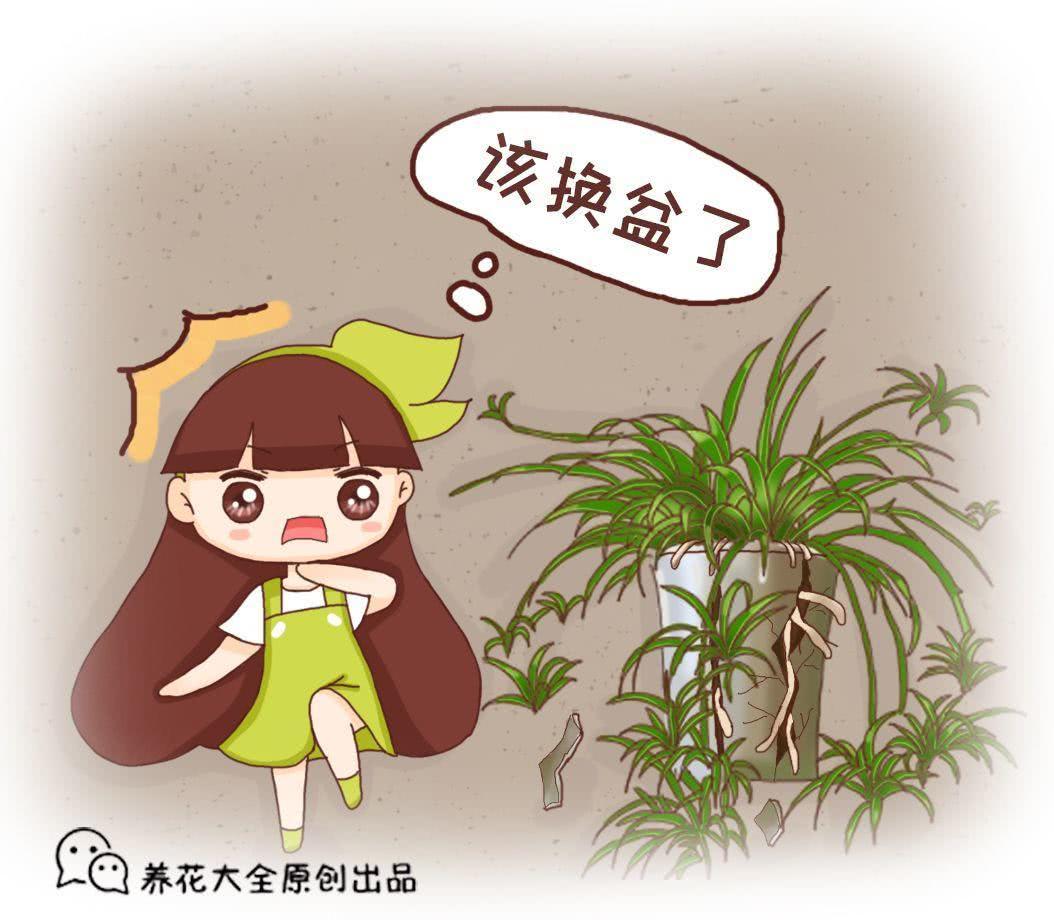
It's late autumn and the weather is still fairly cool. If you grow pothos, spider plant, or clivia at home, be sure to check their roots, because fast-growing roots easily fill up the pot and use up all the soil. If you don't repot and change the soil soon, winter will be a struggle!
Give pothos a new pot, and it will fill the pot again in less than 1 month
Repotting steps
1. Remove from pot: withhold water 2 days in advance, then dig out the whole pothos plant. If the pot is too small to work with, you'll have to break the pot and then take out the plant.
2. Root pruning: check the roots. If any roots are rotten, gently shake off and loosen the original soil, cut off the rotten parts, rinse clean with water, then disinfect and let dry.
3. Potting: choose a pot one size larger than the original. For the soil, mix peat soil, perlite, and vermiculite in a 5:2:1 ratio.
4. Recovery: after potting, water thoroughly once, then place in a cool, ventilated spot. After a week of recovery, return to normal care.
5. If you find the roots are very healthy when repotting, then there's no need to prune them. Just place the plant with its original soil into the new pot, then fill with soil, water thoroughly, and let it recover!
Pothos grows especially fast. After repotting, it filled the pot again in less than 1 month!
Give clivia a new pot, and its leaves grow as big as napa cabbage
Repotting steps
1. Remove from pot: withhold water one week in advance. When the soil is no longer so sticky and heavy, take out the whole clivia plant, gently shake off the soil, and rinse the roots clean with water.
2. Root pruning: cut off rotten, aged, and thin weak roots, then soak the treated roots in a carbendazim solution to disinfect, then place in a cool spot to dry.
3. Soil preparation: for the nutrient soil, mix leaf mold, pine needles, river sand, and peat soil.
4. Potting: to prevent root rot, first place a few pieces of broken tile or pine cones at the bottom of the pot, then fill 1/3 of the pot with soil, then put the clivia in and firm the soil around it.
5. Recovery: water thoroughly once, then place in a ventilated, cool spot. Keep the soil moist during this period, and after a week return to normal care.
6. Care: clivia needs repotting 1~2 times a year. The rest of the time it doesn't need much attention. Water less, ventilate more, and grow it in bright indirect light, and the leaves will look great.
Give spider plant a new pot, and its roots grow as thick as radishes
Repotting steps
1. Remove from pot: withhold water a few days in advance. When the soil feels moist rather than sticky, use a small trowel to gently pry along the edge of the pot and take out the whole spider plant.
2. Root pruning: if the roots are too overgrown, use your hands to pull them apart a little so they spread out and can breathe. Of course, any rotten roots must be cut off. After pruning, remember to let the roots dry.
3. Potting: use loose, breathable leaf mold soil as much as possible, mixed with a little river sand, which is very good for spider plant growth. When potting, first put a layer of soil in the pot, then place the spider plant in and firm the soil around it.
4. Recovery: first water the pot thoroughly, then place it in a cool, ventilated spot. After 3~5 days of recovery, it can return to normal care.
5. Care: normally don't be afraid to let it get sunlight. The key is to mist the leaves often, especially in autumn and winter.
Alright, that's all for today
Fellow plant lovers, do you have these 3 plants at home?
Before the weather turns cold, hurry and change the soil
Also don't forget to share these little tips with everyone!
?