What to do if your kalanchoe isn't thriving? Do this and it will bloom nonstop, one flush after another
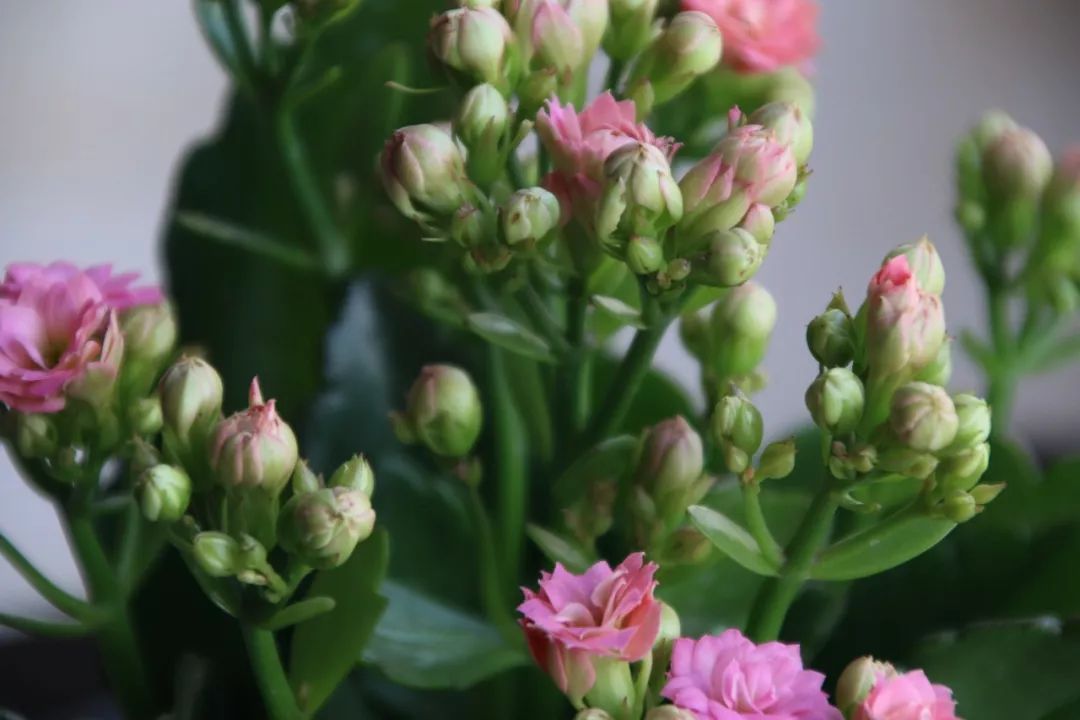
Kalanchoe (Kalanchoe blossfeldiana) is a hugely popular potted flowering plant, not only for its bright, abundant blooms but also for its lovely blooming season: it flowers in the depths of winter around Christmas, and its bloom period can last from late December all the way to May, which is why kalanchoe is an essential part of Chinese New Year flowers. Whether you are decorating your home or giving it to friends and relatives, it is a festive and auspicious choice!
Although kalanchoe is easy to grow, many gardening friends report that their kalanchoe develops soft leaves and looks listless. If your kalanchoe is in this state, you need to pay attention, otherwise it will affect the coming blooms.
Check the potting soil
If the leaves become wilted and soft some time after repotting, it is generally caused by the soil change. Kalanchoe likes sandy soil with good air permeability. If the potting soil is too hard and compacted, it will affect its absorption of nutrients, and the leaves will naturally become wilted and soft.
Supplement light
Kalanchoe likes a warm, sunny growing environment. If the leaves are soft, it is very likely caused by a lack of light. At this point you shouldsupplement sunlight, ensuring about 7-8 hours of light per day. As long as it gets sufficient light, it will produce flower buds in about twenty days.
Control watering
Too much moisture and too much water are also causes of soft leaves. After the temperature drops, strictly control watering,keep the potting soil on the drier side, "dry when dry, wet when wet". If you have trouble judging when to water, you can insert a dry wooden stick into the potting soil; once the soil is dry, you can water it, watering thoroughly in one go, and avoid watering multiple times.
Maintain temperature
Kalanchoe is very intolerant of cold, and the growing temperature should be kept at around 15-25°C. Too low a temperature will cause the leaves to turn red and soft and delay the blooming period.The best temperature is around 15 degrees, when the flowers are abundant, one flush after another. If the room temperature is too high, it will also inhibit blooming, so kalanchoe brought indoors should not be placed next to a radiator; placing it farther away is best.
Prevent and control pests
Kalanchoe is very easy to grow and generally suffers few pests and diseases, but if the leaves are soft, you should also check carefully to determine whether it has been infected by pests or diseases. If infected, spray pesticide promptly for treatment, and also pay attention tokeeping the room ventilated. Not opening the windows for ventilation for a long time greatly affects the growth of kalanchoe. To avoid the temperature being too low, you can open the windows regularly for ventilation at noon.
Check the root system
If kalanchoe is growing poorly and the leaves are soft, gardening friends shouldcheck whether the roots and stems at the bottom of the pot have turned black. If they have turned black, it is most likely that the roots have somewhat rotted. At this point, quickly take it out of the pot to deal with it, then replace the soil and repot it, gradually expose it to light, and before long it will grow strong again.
A little tip:
Some gardening friends have previously asked why their kalanchoe leaves are small and thin and also grow very densely. This is actually a matter of not pinching and pruning. In autumn and spring, prune weak branches and side shoots. Too many side branches will not only affect the air permeability of the kalanchoe, but excessive density will also divide the plant's nutrients.
The weather is getting colder and colder, and kalanchoe is about to enter the stage of flower bud differentiation. Gardening friends can take advantage of the pre-bloom period to check promptly and deal with any problems quickly, so that when the blooming period arrives, it will naturally bloom nonstop!
If you also like growing flowers, follow us!