Grow snake plants this way for brighter golden edges, perfect for keeping at home
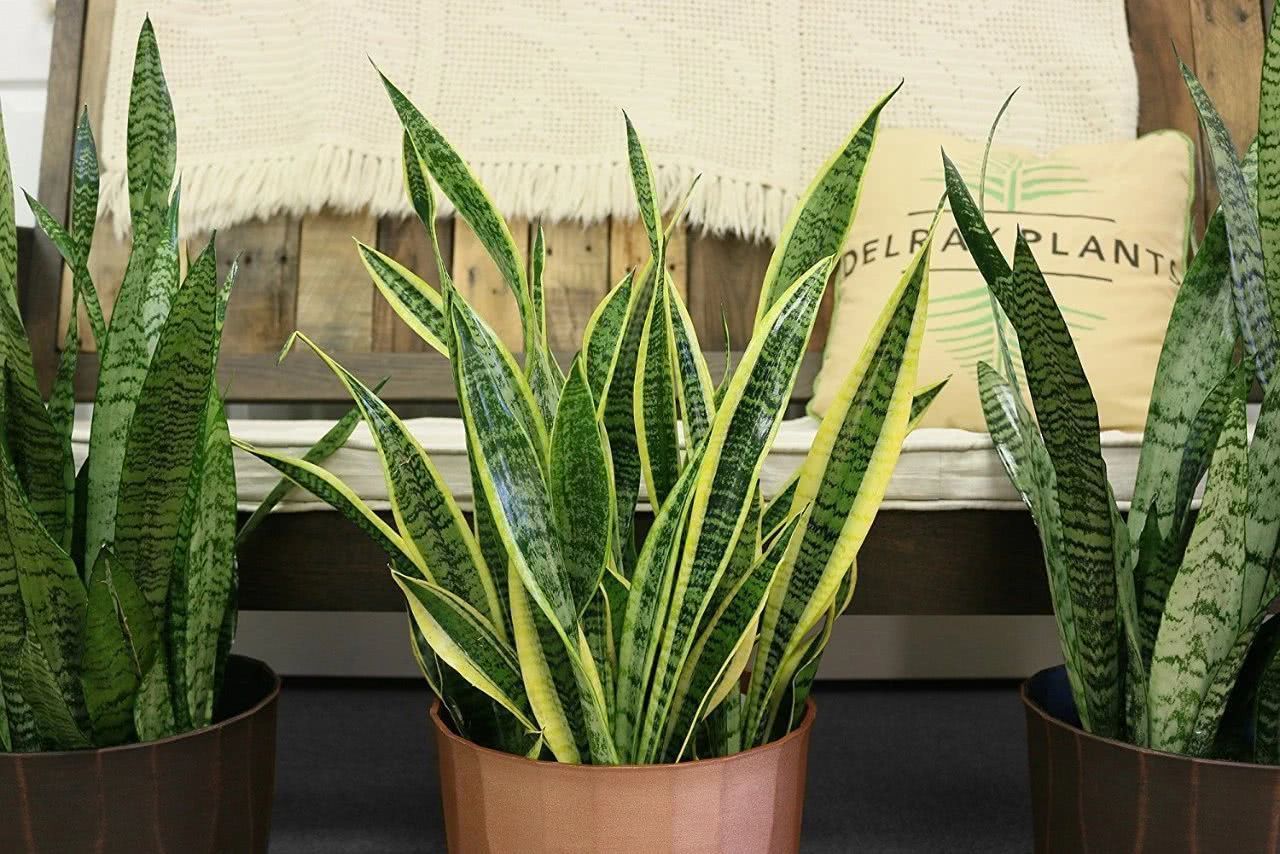
The name snake plant comes from the shape of its leaves, which have variegated patterns, and some varieties have yellow golden edges along the leaf margins. Some grow to over one meter tall, while others reach only about ten centimeters; the varieties differ little, and they are very suitable for placing in offices or indoor bedrooms, making the whole space look brighter and helping to clean the indoor air.
There are more than 30 common snake plant varieties to choose from, with different forms and different patterns on the leaves; some have alternating silvery-white or yellow stripes, and some are variegated varieties.
Snake plants can grow almost anywhere, as long as they are not kept in complete darkness and are protected from freezing in winter; they can also grow well in very little light. They like moderate indirect light and should be protected from excessive direct sun, otherwise the leaves sunburn easily.
Snake plants like a warm, slightly dry environment; they can grow as long as the temperature stays above 5°C, and they grow best between 20 and 28°C.
Cultivating snake plants does not require any special soil; good drainage and aeration are enough. In spring and summer, you can keep the potting soil moderately moist and give more light. If grown indoors, wait until the soil is completely dry before watering thoroughly, and avoid frequent watering, which can prevent root rot in snake plants.
Snake plants are very common indoor plants and can be bought at any flower shop. They are very suitable for growing in pots and can grow well in a relatively small container; the pot should have good drainage.
When caring for snake plants indoors, there is no need to repot frequently; generally repot every 2 to 3 years after the weather warms up in spring.
If a snake plant gets too little water, its leaves will wrinkle and curl; if it gets too much water, the leaves will droop. Proper watering alone can help it recover.
Snake plants can indeed bloom, but their flowers have no fragrance and even have a pungent smell; many people say the scent of its flowers is nauseating.
To encourage a snake plant to bloom, you need to give it more light every day, keep the growing environment ventilated and bright, avoid frequent watering, and also remember to regularly add a little diluted organic fertilizer in spring and summer.
The yellow edges of a golden-edged snake plant turning white is usually caused by too much water or insufficient sunlight. You need to properly improve the growing conditions and place the snake plant somewhere with more light, not in overly shady conditions.
To care for a golden-edged snake plant and make its edges grow more brightly, you need to prepare some loose, breathable, well-drained sandy soil for it.
During care, avoid frequent watering; it is a very drought-tolerant plant. Too much water not only makes the golden edges dull but also easily causes root rot, yellow leaves and other problems.
Before each watering, wait until the soil is completely dry, and reduce watering appropriately in winter.
In addition, remember to provide supplementary light every day and place it somewhere with moderate daily light; if kept indoors, at least keep the light bright.