Succulents with root rot won't grow? Repot them now, and by autumn they'll be beautiful and plump again
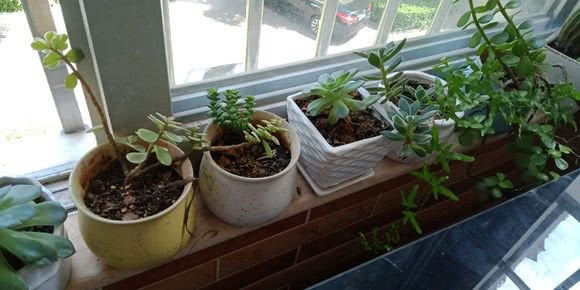
With crisp autumn air, the growing season for succulents has arrived again. Those plant lovers who held back all summer, not daring to "fuss" with their succulents, can now spring into action, because this will help the succulents grow better in autumn!
As we all know, succulents go dormant in summer, when their growth slows to an extreme degree or even stops altogether. But once the weather gradually turns cooler, they will slowly resume growing, and that is when we need to give them a push.
So today, Huahua will talk about repotting succulents, because the current weather is quite suitable for repotting, and most importantly, we want them to "travel light," so they will grow beautifully plump and round.
When repotting, the very first step should be trimming the roots, because during their growth, some rotting roots are bound to appear. So we can take this opportunity to deal with them, which will help the plant grow better.
After taking it out of the pot, first clean the soil off the roots so you can easily check for rot. Then use sterilized scissors to cut off the rotted parts. If the rot is quite severe, before repotting it, soak it in a disinfecting solution for a while first to prevent further infection.
Generally, soaking for about 3 hours is enough, then take it out and let it dry in a cool, ventilated place, because if it goes into the soil still carrying the disinfecting solution, it can easily cause the roots to be attacked by bacteria and rot again.
For the new potting soil, it is best to switch to a specialized nutrient soil that is loose and airy. After planting, water it once to settle the roots, then place it in a cool, ventilated spot. Since it is now in the recovery stage, do not let it come into contact with sunlight right away.
After a week, once you see it shows no signs of distress, you can gradually move it into the sun. Also, since its roots have not yet grown well, do not fertilize it at all during this period. Generally, after a month, you can apply a little nutrient solution or granular fertilizer.
?