When cutting the leaves of Amaryllis, you need to pick the right timing, or you may accidentally cut away the flowers
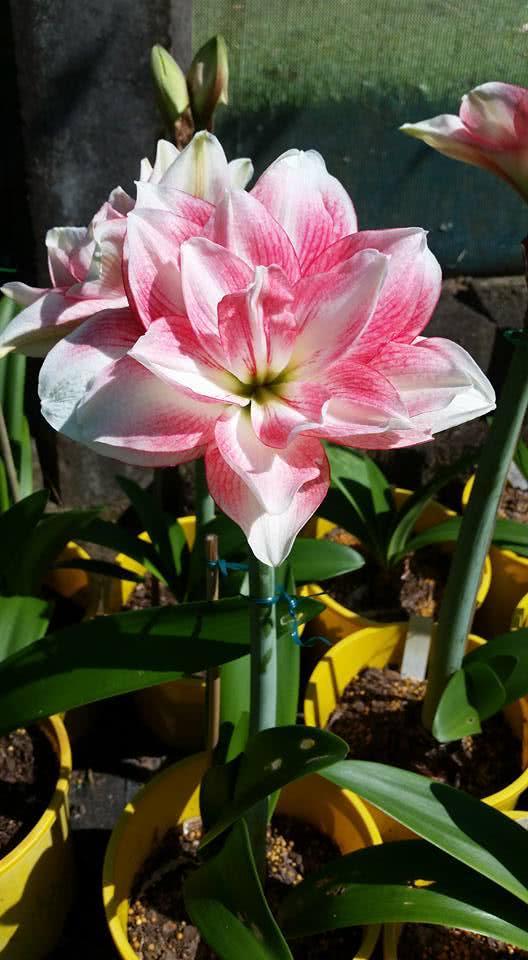
We all know that when Amaryllis blooms, the flowers are especially large and the colors are especially vivid, but we have never paid attention to the leaves of Amaryllis. Sometimes when it blooms there are no leaves at all. Were they cut off? So when should we cut the leaves of Amaryllis? Many gardening enthusiasts are completely confused by this question. Today Huahua will explain the good timing for pruning the leaves of Amaryllis.
Not suitable for cutting
Generally, autumn is not suitable for cutting the leaves of Amaryllis, because autumn is a period of vigorous growth for Amaryllis. Healthy and vigorous leaves are essential for Amaryllis to carry out photosynthesis and to release water and nutrients, so that Amaryllis can grow and bloom normally. If the leaves are cut at this time, it will cause the Amaryllis bulb to swell, and if not done properly, it can easily lead to root rot.
During the growth period and flowering period of Amaryllis, there will be relatively many leaves. At this time, use string to secure the leaves well, otherwise they will be rather messy and can easily break when the wind blows. At this time, be sure not to cut them casually. A reduction in leaves can easily make it difficult to release nutrients, causing Amaryllis to fail to bloom.
Suitable for cutting
After Amaryllis grows into October, the leaves will gradually begin to wither. Withered leaves can be cut off at any time. After Amaryllis blooms, the flower stalk of the Amaryllis should also be cut off appropriately. Pruning at this time can promote the development of branches and leaves. The position for pruning the flower stalk is generally best close to the bulb.
In many cities in the south, even after October, the climate is still relatively warm. At this time, Amaryllis still grows well as usual, but after flowering, we still need to be ruthless and cut off the flower stalk close to where it meets the flower stem. The wound should be kept dry and can be wiped with a napkin or towel. At the same time, watering should be controlled well, keeping the soil slightly drier.
Image source: Tianyuan Xiaolang