Watering orchids is key: master these two points and they will thrive
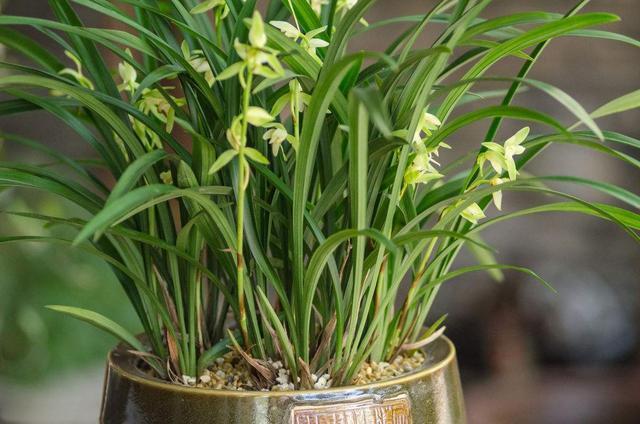
Orchids are one of the most common plants in the home. Their form is rather elegant, their leaves are fairly slender, their foliage stays evergreen all year round and is full of gloss, and they bear rather understated flowers that give off a faint, fresh fragrance, giving people a feeling of peace and contentment. But when watering orchids, the slightest carelessness can leave you with nothing but the pot. Below is an introduction to the points to watch when watering orchids:
Never water onto the leaves
Many plants can have water sprayed onto their leaves, which can increase air humidity and also clean dust off the leaves. If an orchid's leaves are fairly sparse, then it is fine to water onto the leaves, since in that case the moisture on the leaves dries relatively easily.
If the leaves are fairly dense, when water drips onto the leaves the moisture does not dry easily, and if it flows into the leaf heart, over time it will cause the leaves to rot and will also breed bacteria. So when watering, simply water along the edge of the pot.
Never give a half-hearted watering
When many beginners grow orchids, they are especially fond of them, so they water a little every day, and they do not water thoroughly either, only watering the upper half of the soil. At first there seems to be no problem with the orchid, but in the end it will make the leaves turn yellow. This is because the roots in the lower half cannot receive water for a long time, and over time this will cause the roots in the lower half to become hollow roots.
So when watering orchids you can follow the principle of "do not water if not dry, and water thoroughly when you do water". You can insert a small wooden stick and leave it for a while; if the stick comes out dry, then you can water, and if it is not dry, then do not water.