Grow Gardenias Like This in Autumn and Winter for Vigorous Growth and Strong, Sturdy Branches
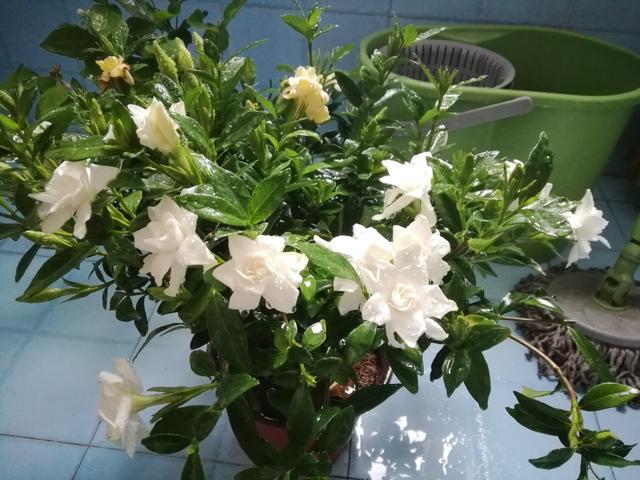
The weather has really been getting cooler and cooler lately, and many plants can't handle the changes in temperature, especially for those of you growing gardenias at home - one small mistake and the leaves turn yellow, the leaves turn yellow. Don't worry just yet; below we'll explain how to grow gardenias in winter, guaranteed to get them safely through the winter.
Light
Gardenias are naturally fond of ample light, but in summer they need a bit of shading, otherwise the plant easily gets sunburned. After autumn arrives, however, they need more than 8 hours of light per day, which can effectively promote the growth of the gardenia and also help it get safely through the winter.
Temperature
Gardenias themselves are not cold-tolerant. In autumn and winter it is best to move them indoors to grow, or simply place them on a south-facing windowsill, and when winter temperatures are low, you can put a plastic bag over the plant and poke a few holes in it for ventilation; otherwise, once the temperature drops below 5°C, the plant easily gets frostbitten.
Water
When growing gardenias in summer, they need plenty of water, but after autumn arrives the temperature gradually drops, so the amount of watering needs to be reduced appropriately - only then can the branches grow thicker and sturdier. In winter the gardenia is in a dormant state, so you can wait until the leaves start to wilt before watering again; otherwise the roots easily rot.
Fertilizing
As mentioned above, the gardenia is in a dormant state and absorbs fewer nutrients, so there is no need to fertilize it; otherwise the gardenia's roots easily get burned. In autumn you can apply some compound fertilizer complete in nitrogen, phosphorus and potassium, and when fertilizing you must follow the principle of "light fertilizer, applied frequently."