Don't water flowers with these 3 kinds of water in winter, or the plants will easily wither
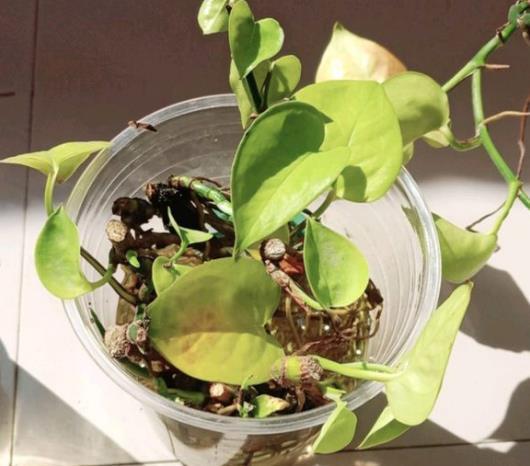
Not all water can be used to water flowers. Gardeners should take note: when growing flowers in winter, don't water with these "3 kinds" of water, or the plants will easily "wither" and won't grow well! As people's living standards rise, more and more people are starting to cultivate interests and hobbies in life, such as growing flowers and plants on the balcony or indoors. So when it comes to flowers and plants, don't water them with the following "3 kinds" of water.
The first kind: as it turns cold in winter, don't water flowers with cold water
Watering flowers with cold water will harm them; if the temperature difference is not great, there is no problem. Try to use warm water, that is, water at roughly room temperature. In winter, most plants are in a dormant period, so their water demand is not great. Adjust the watering frequency according to the room temperature. There is a principle for watering: if it's not dry, don't water; when you do water, water thoroughly.
The optimum temperature for the growth of most flowers and plants is 20-25°C. If you water with warm water at 20-25°C, it can accelerate the decomposition of organic matter in the soil, promote absorption by the root cells, enhance the roots' transport capacity, supply sufficient nutrients to the branches and leaves, and promote early sprouting, early budding and early blooming of the flowers. This is because the average temperature of the leaves and stems of the plant is generally higher than the temperature of the roots.
The second kind: in winterdon't use "flood irrigation water”to water flowers
This means you must not water too much. "Too much" here means do not let water accumulate. In summer it is a bit better, since the temperature is high and water evaporates quickly, so for the plants the impact will not be very great. But in winter, evaporation is relatively slow, and the flower pot easily becomes oxygen-deficient due to accumulated water. The roots' breathing is blocked, and the roots rot.
The third kind:unfermented household wastewater
For example, the common rice-washing water, leftover soybean milk, etc. In fact, unfermented rice-washing water that is more diluted can also be used to water flowers, because rice-washing water is rich in trace elements and other nutrients needed for flower growth, so properly using rice-washing water to water flowers can indeed promote plant growth. For plants, rice-washing water is fairly nutritious, and since it is easy to obtain, it is very suitable for watering home-grown flowers.
Ordinary rice-washing water cannot replace clean water for daily watering. Generally, the first rinse of rice-washing water is fairly concentrated. If it is used directly to water flowers, it may burn the plant's roots, and rice-washing water contains starch, which is decomposed by microorganisms in the soil into sugars and attracts insects. Generally, it is still recommended to use the second or third rinse of more diluted rice-washing water, and watering once every half a month is enough. If you use the concentrated first-rinse rice-washing water, then after watering once, it is recommended to wait about 1 month before watering a second time.
This is a gathering place for flower enthusiasts, sharing flower and potted plant care tips. You are welcome to follow and exchange ideas.