Grow jasmine like this in autumn, and buds will keep appearing and flowers will bloom one flush after another
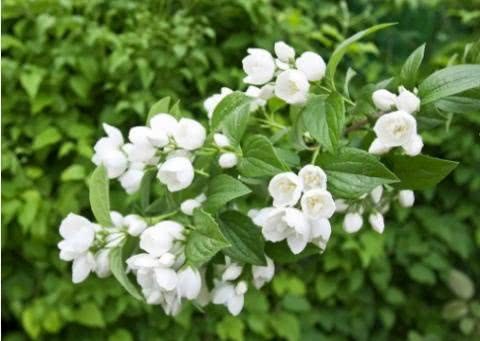
Jasmine flowers have a rich, delightful fragrance when they bloom. It is a famous raw material for scented tea, and both the flowers and leaves can be brewed as tea. It can clear heat, relieve cough, and dissolve phlegm, and it can also treat red, swollen, and painful eyes, among other things. A gardening friend planted a pot of jasmine and has grown it for several years. It can bloom two or three times a year, with buds covering the branches, and it grows especially well. So how exactly is it grown?
Jasmine likes hot, humid, ventilated, and airy environments, and needs sufficient light. Jasmine is afraid of cold, so good warm-keeping work must be done in winter. With strong light, the branches and stems are robust, the leaves are deep green, and there are many fragrant flowers; with insufficient sunlight, the internodes are sparse, there are few flowers, and they are not fragrant.
Jasmine likes fertilizer, especially because its flowering period is long, so it needs more fertilizer. It also likes acidic soil. Usually, you can water it once a week with 1:10 alum fertilizer water. Do not apply fertilizer too concentrated, otherwise it easily causes root rot. Before watering, use a small trowel to loosen the potting soil slightly, then water. Do not apply fertilizer when the potting soil is too dry or too wet; fertilizing when it is seemingly dry but not quite dry gives the best effect.
If watered too much, jasmine easily suffers root rot, and laypeople often cannot see whether its roots have rotted. They may still think it is not watered enough or that it is malnourished, and then apply fertilizer again, and this immediately costs the jasmine its life! Watering jasmine less generally will not kill it. There is a gardening proverb: "Dry jasmine, wet chrysanthemum." This is a summary of the experience of flower growers since ancient times.
Proper pruning of jasmine can stimulate a second round of shoots, so it will bloom more, and the plant shape will be compact with high ornamental value. Pruning should be done on sunny days. You can combine it with thinning the leaves, remove diseased branches, and adjust the plant, which is beneficial for growth and for bud formation and flowering.
Flower lovers who enjoy growing plants can try this little trick. If you have any other flower-growing secrets, you can also share them with everyone in the comment box below!