A few secrets to making Chinese hibiscus bloom all year round, have you got them all right?
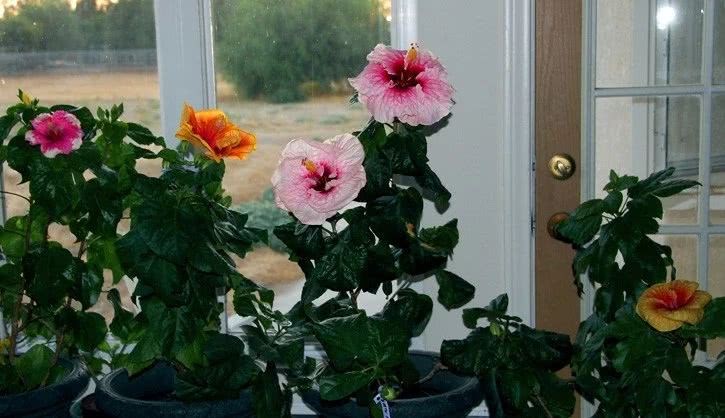
I really love growing Chinese hibiscus, because I live in a subtropical place that is warm all year round, and I plant the Chinese hibiscus in my yard, where there is no frost in winter either, so it blooms almost every day. If you are a friend from the north, you should choose container growing, it likes a warm and humid environment all year round, and likes relatively high air humidity and plenty of light.
To grow Chinese hibiscus well, first you need to prepare suitable soil, preferably slightly acidic, fertile, loose and well-drained humus soil. You can use peat soil mixed with perlite, and appropriately add some compost or manure. The soil must be chosen to be slightly acidic.
Chinese hibiscus grown in containers should be given some ferrous sulfate solution regularly to keep the soil acidic, which helps maintain year-round blooming.
To encourage Chinese hibiscus to bloom all year round, you still need to grow it in a suitable position, with more than six hours of direct light every day, keeping the light sufficient, and the environment should also be well ventilated, which can avoid pest and disease infections.
Once pests are found on Chinese hibiscus, they must be removed promptly. Branches and leaves with relatively severe pests and diseases should be cut off and destroyed directly. In addition, pay attention to spraying pesticide in time. In spring and summer, you can supplement some organic liquid fertilizer, which helps the branches and leaves grow better, promotes blooming, and also makes the roots and stems grow robust, avoiding pest and disease infections.
In spring and summer, Chinese hibiscus can be watered regularly to keep the soil moist, while in autumn and winter, you can wait until the soil dries out and then water thoroughly.
Chinese hibiscus is afraid of cold, and the minimum care temperature should be kept above five degrees. In winter, you can move it to a windowsill indoors and supplement appropriate scattered light every day.
These are the container-grown Chinese hibiscus I grow myself, with different varieties, all cultivated with ordinary nutrient soil. Now I want to clear away all the weeds on the soil surface. After the weeds are cleared away, I need to remove the surface layer of soil. About three cm of soil on the surface should be removed, scraped off with a small shovel, but be careful not to hurt the root system. After the surface soil is removed, you can see some robustly growing roots on the soil surface.
Then prepare some fertile compost soil, and some river sand, stir appropriately, with compost soil making up about 70%. These are the fertile soils. After these fertile soils are stirred evenly, spread them directly on the soil surface, about 3~5 cm thick. These soils have strong fertility and are slightly acidic, and can promote the growth of Chinese hibiscus.
After spreading a layer of compost soil on the soil surface, water thoroughly, and place it in a sunny and well-ventilated place. After a few days, these Chinese hibiscus will continuously produce flower buds and bloom especially brilliantly.
After adding compost soil, as we keep watering, the fertility will continuously seep downward, which can promote these Chinese hibiscus to bloom. For fertilizing, you must use organic fertilizer water. Compost soil is excellent for improving the blooming of Chinese hibiscus.