Northern heating is about to start: pay attention to these points when growing flowers so they can safely get through the winter
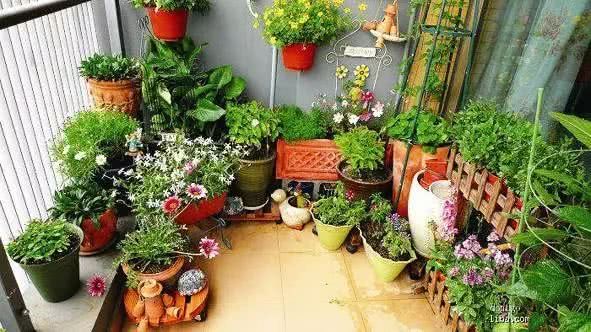
It will soon be November. Many cities in the north start heating every November and continue until March or April of the following year. During this period, when it is cold outside it can reach minus 20 degrees, but indoors it can reach 25-6 degrees above zero. Although the home is very warm, and the best growing environment for many plants happens to be around 20-plus degrees, for some plants it is not necessarily good, because during the heating season the indoor air humidity is very dry. For some plants that like humidity, this is not something they can adapt to. In addition, some plants need to experience a period of relatively lower temperature to go dormant. If the indoor temperature is too high, it will disrupt their growth, and the consequence is that they will no longer bloom the following year. The most common example is Clivia (Clivia miniata). Today I will talk with everyone about plant management in heated rooms in winter.
1. Saucer padding
First of all, everyone must pad the pots in advance. Do not place flower pots directly on the floor. Something must be placed under the flower pot to insulate it from heat. Many homes now have underfloor heating. If flower pots are placed directly on the floor, the plants will die within a few days during the heating season. If the home has radiators, be sure to keep the plants farther away from the radiators.
2. Water control
We all know that most plants go dormant in winter. During this period, the plant roots stop transporting nutrients and the stems stop growing. However, because the indoor temperature is around 20 degrees, the plants are still growing slowly at this time, so a small amount of water is still needed. But in winter we generally do not open the windows often for ventilation, resulting in relatively poorer indoor ventilation. In addition, combined with the dry heat of the heating, if too much water is given, it will cause root rot. So everyone should pay attention to the amount of watering: it should be neither too much nor too little. Also, the water temperature should not differ too much from the indoor room temperature.
3. Sunlight
Try to move the plants to a south-facing place with better light so the plants can receive sunlight better, because winter light is weaker than summer light. If plants stay in a poor-light environment for a long time, their growth will be affected.
4. Fertilizing
In winter, because most plants are in dormancy or semi-dormancy, be sure to reduce the frequency of fertilizing plants, and do not resume until the plants begin their normal growing period in March of the following year.
5. Humidity
For some plants that like a humid environment, it is best to spray some water on the plant leaves in the morning and evening to add some moisture to the plants' environment.
Special note:
Plants that specially need their flowering period adjusted can have their flower growing adjusted normally, but if you do not have experience, it is recommended not to blindly adjust the flowering period, as it can easily cause disordered plant growth regulation. In addition, for some plants that need complete dormancy, during the dormant period they can be placed in a corner of the home, as long as the temperature is not below 8 degrees. Then wait until the following spring to repot and sow.
What experience do you have with plant management in winter? Leave a comment below and share it with everyone!
If you also like growing flowers, then follow us!