Five-needle pine bonsai is deeply loved by people in China, and its care is actually very simple
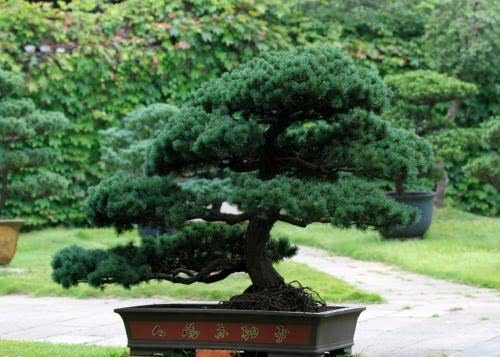
The five-needle pine is one of the common potted plants deeply loved by people in China. The five-needle pine is a type of pine tree, and pine trees are suited to growing in loose, fertile, slightly acidic soil with good drainage. If the needles turn yellow and fall off during potting, natural mountain soil is beneficial to the growth of the potting soil. The potting soil ratio is 3 parts rotten leaf soil, 5 parts orchard soil, 1 part compost, and 1 part sandy soil mixed into nutrient soil. Generally speaking, repot once every 2-3 years, and the soil in the pot should be changed between February and March or between September and October.
Pinus quinquefolius (five-needle pine) is a sun-loving tree species. In the hot summer, high temperatures should be avoided around noon to prevent the plant from dying. Spring and autumn are the growing seasons for Pinus quinquefolius (five-needle pine). Keep the potting soil moist to promote the growth of branches and leaves. The growth of Pinus quinquefolius (five-needle pine) enters a dormant period in summer, but water evaporation is greater in summer. We should water it once every morning and spray the leaves once in the evening. In winter, watering should be controlled.
Five-needle pine bonsai should be placed lower down, as far as possible in a dry and ventilated environment, because excessive moisture and shade are not conducive to their growth. There should not be too much water: on average once a day in spring, 2 times a day in summer, and in winter, while paying attention to weather changes and adjusting flexibly. Naturally stored water is better; if tap water is used, it can be left in a container for a few days before watering. The five-needle pine has high requirements for water, and poor water sources can lead to death.
It has low requirements for the growing environment and low requirements for fertility. Fertilization should not be excessive or too concentrated, and the amount of fertilizer should not be too large. Too much fertilizer will make the branches grow and the needles become longer, reducing ornamental value. Generally, fertilize only twice in spring and autumn: apply an organic liquid fertilizer (cake fertilizer water) before spring budding or after the leaves thicken; autumn fertilization can appropriately promote healthy growth. Growth stops after October. So stop fertilizing after October.
During care, the following three points should be noted:
1. Overwatering, or too much rain. Every June, when there is plenty of water, the soil in the pot is often too wet, and coupled with poor drainage, water accumulates in the soil, causing soil hypoxia, leading to root rot and yellowing of the needles.
2. In the hot summer, water evaporates quickly. If there is not enough water in the tree, cells will be damaged. If this condition persists for a long time, it will cause needle scorch. If the sun is too hot, the soil in the pot will become too dry, and in this situation the five-needle pine will also show scorched needle tips. If the lack of water continues, the plant will eventually die.
3. If the five-needle pine stays indoors for a long time, with insufficient light and air, it violates its habit of receiving outside light, or if it is suddenly moved outside and exposed, the same situation will also occur.