Bought a wild-collected stump for 120 yuan, and after tidying it up, I would not sell it even for 800 yuan
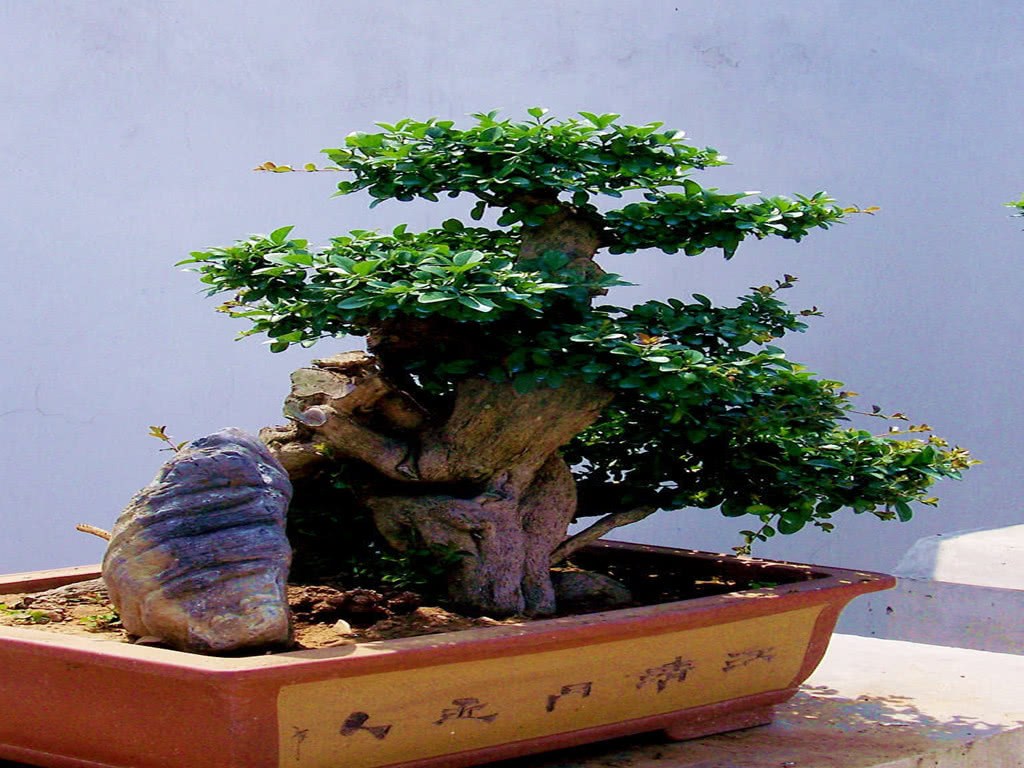
A wild-collected stump nobody wanted, bought for 120 yuan, and after some tidying up, not even 800 yuan would buy it!
Now, with the rapid development of society and people's rising living standards, in days when material life is relatively affluent, people devote their spare-time hobbies to the care of flowers, plants and tree stumps. Potted plants such as orchids, Diospyros cathayensis, boxwood and crape myrtle are quite popular; it is fair to say that among these potted plants, people's level of dedication to them is quite high.
So in real life, there are also wild-collected stumps that connoisseurs do not think much of. In fact, no matter what kind of wild-collected stump it is, as long as you are a little dedicated, you can cultivate a shape beyond others' expectations, making people's mouths water just looking at it. And don't you doubt it: these few pots of mine are wild-collected bayberry stumps that nobody wanted. I passed by, saw that no one wanted them, and paid 120 yuan to buy them. Now, even 800 yuan per pot on average is out of the question.
Although it did not cost much, it was simply that when I was driving through the place called Long'an, I saw that a tree stump dug out by an excavator had a somewhat peculiar shape. An old man was picking it up and putting it in his back basket. According to him, the stump was from his own field, and since the excavator had just dug it out, he picked it up to carry home for firewood. At such an advanced age, life is not easy, so I gave him 120 yuan to buy these few stumps and took them home to try my luck, to see whether they could be planted and kept alive.
Through careful management of the stumps, whether it was trimming the roots and disinfecting them, or shaping and bending them, I spent a lot of my own time and energy. These stumps really did not disappoint me. Through nearly 10 months of careful management, the stumps have passed the dangerous period, made a smooth transition, and are now beginning to grow normally. When I first got these few stumps, the damage to them was still somewhat serious, so I carried out key protective management from these aspects.
To sum up: first, prune the branches, trim the roots and disinfect the damaged stumps. Second, plant them in soil first, and only after they have passed the dangerous period move them into pots. Third, give the soil-planted stumps heat preservation and shade treatment, not letting the sun scorch them. Fourth, use rooting agent to promote rooting and sprouting. Fifth, carry out branch pruning and bending, adopting the principle of shaping the main branches in one go.
After such careful handling and care management, they now have quite good shapes. Take a look, is there a pot among them that you think highly of?