Growing flowers in autumn and winter: these 3 kinds of water must not be used for watering, or you will kill one pot with every pot you water
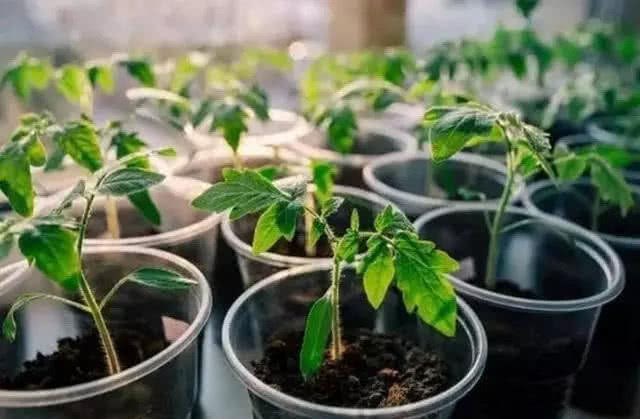
Soon we will follow the changes in temperature and step into winter. The two seasons flower growers fear most are winter and summer. The temperatures in these two seasons are both very extreme, one too cold and one too hot, and wanting to take good care of the beloved flowers at home at this time really takes some effort.
To grow flowers well, the most important thing is to put effort into everyday care. Some people may say that care is nothing more than light, watering and fertilizing, and that there is no difficulty in it. In fact, what you do not know is that many times different seasons require different care methods. For example, in the current autumn and winter seasons, if you want to grow flowers well, these 3 kinds of water must absolutely not be used for watering!
1. Cold water
Because the temperature is gradually dropping now, we need to move most of the plants indoors for care, so as to maintain a suitable growing temperature. Think about how in winter, if we wash our hands directly with tap water, we will be so cold we jump. If we directly use the cold water we just drew to water flowers, the effect will definitely not be too ideal.
Because after we move the plants indoors for care, the temperature in their soil will gradually become warmer. At this time, if we directly use cold water to water them, it will cause too great a temperature difference inside the potting soil, which will lead to root rot and yellow leaves. In addition, if you want to use tap water to water flowers, it is best to let it sit for a few days first, so the care effect will be more noticeable.
2. Flood irrigation water
Flood irrigation water means watering flowers and plants with an excessive amount of water, causing a flooding phenomenon. Because winter temperatures are low, the evaporation rate will not be as vigorous as in summer. At this time, plants and flowers do not need a large amount of water to support growth. If you keep the same watering frequency and watering amount as before, it will cause water accumulation in the flowerpot.
Winter temperatures are low, and if too much water accumulates it cannot evaporate. Moreover, if the drainage performance of the flowerpot is not ideal, then root rot will inevitably result. We all know that once the roots of flowers and plants rot, then nutrients will certainly not be absorbed enough. At this time it may not just be a problem of yellow leaves; the plant may very likely die directly.
3. Unfermented homemade fertilizer water
Many things in life can effectively nourish flowers, so many flower lovers like to make mild fertilizer water at home to supplement nutrients for plants, such as rice washing water, fruit peel water or soybean water and so on. But the prerequisite for using these waters to grow flowers is that they must be fermented!!!
Only after fermentation can nutrients such as nitrogen and calcium in these substances be better released, so that they will produce an effect when used on flowers. If they are used directly without fermentation, then not only will they fail to supplement nutrients, they will also burn the flower roots.
These kinds of water absolutely must not be used casually for watering in winter, otherwise you will regret it to death when the leaves turn yellow and the roots rot in the end. If you also know any good methods for growing flowers in autumn and winter, leave a comment in the comment section and share it with Huahua!