Do these 5 things for fall and winter flower care, and next year they will bloom brilliantly and overwinter safely
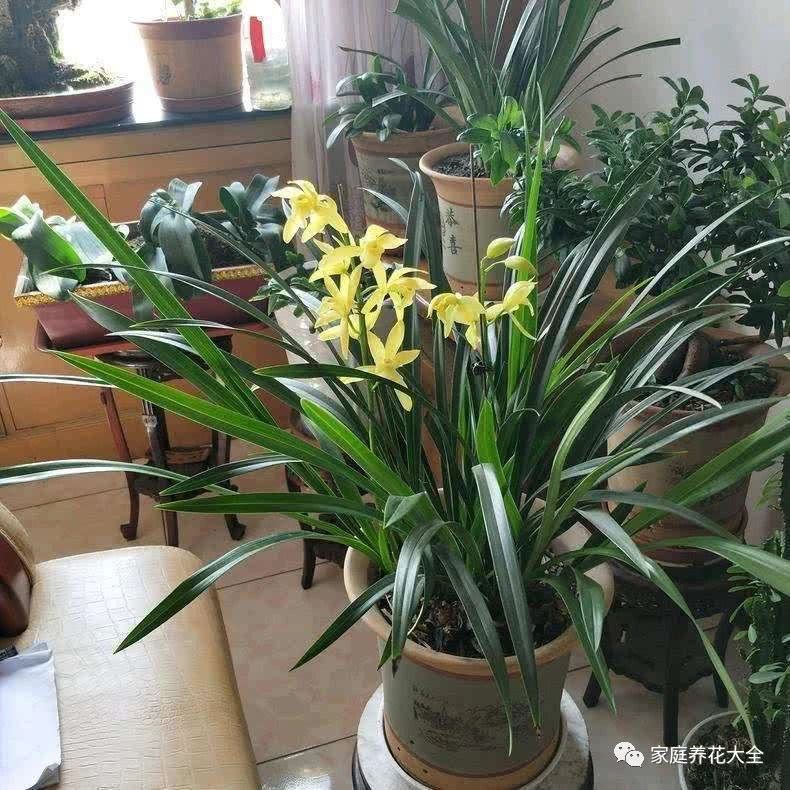
Orchids bloom in November-December, and right now they are in the bud-setting and growth stage, so many flower lovers have left messages in the background asking how best to care for orchids in winter. Today Xiaoye will tell everyone: grasp these 5 points well, and there will be absolutely no problem with overwintering and blooming next year!
NO.1 Move them indoors promptly to keep them warm
Winters are cold and temperatures are very low, so at this time orchids should promptly be moved indoors for care. After moving them indoors, the room temperature should be kept between 5-15°C. The room temperature should not be too high, as too high a temperature will cause the flower stems to grow slowly and the buds to develop poorly. If you live in an apartment building, it is recommended to move the orchids back to an enclosed balcony, which can ensure the orchids get plenty of sunlight and is extremely beneficial for bud setting and blooming.
NO.2 Increase light to supplement energy
Orchid roots are symbiotic with fungi and also grow in winter, so the duration of light should be increased. Photosynthesis is very important for orchids and can provide the nutrients they need. It is recommended to provide about 4 hours of light per day!
NO.3 Control water promptly to protect the root system
"Do not let them dry out in summer and autumn, and do not let them stay wet in winter and spring." This is the orchid-growing experience summed up by predecessors. Orchids need less water in winter, and the potting soil just needs to stay moist. If the potting soil is very dry, you can water the orchid at noon when the temperature is higher, using room-temperature water. When watering, pour it along the edge of the pot to keep the potting soil slightly moist. Orchid roots are fleshy roots. Generally, cutting off water can keep them alive, but if the potting soil stays dry for a long time, strong orchid roots will become hollow roots, which is very unfavorable for orchid growth!
NO.4 Maintain ventilation to prevent disease
To keep orchids from freezing, they cannot stay in an unventilated place for a long time, as this will cause cold damage to the orchids, and in spring the orchid leaves will very easily develop black spots. The correct method is to open the windows promptly for ventilation when the temperature is higher, to promote air convection, while preventing cold wind from blowing on them. Except during freezing periods, it is best to choose noon to open the windows for air. Orchids grown on balconies must also have air circulation, so open the windows often. But when the temperature drops sharply, close the windows immediately to prevent the orchids from freezing.
NO.5 Apply fertilizer regularly to store nutrients
Although orchids grow slowly in winter, this does not mean they do not need nutrients. In order for orchids to produce more vigorous blooms in next year's flowering season, at this stage they should be fertilized regularly to ensure they have sufficient nutrients in their bodies. It is recommended to make flower fertilizer using bone meal and plant ash as raw materials. If you find making your own flower fertilizer troublesome and it has an odor, you can apply 10g of microbial inoculant flower fertilizer to the orchids every 20-30 days. The organic acids secreted by microorganisms help improve the soil environment, and also release phosphorus and potassium to increase soil fertility! It will not burn the roots or cause root rot, and it protects the root system!