A detailed explanation of four bonsai root styling techniques, making styling methods easy to learn
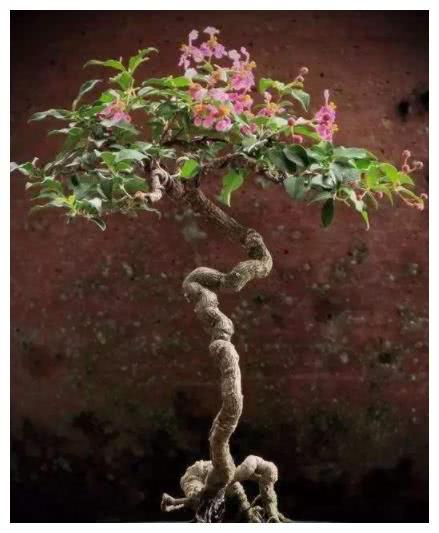
No matter what kind of plant it is, if it has roots, the roots are the initial state of the plant's growth. They provide the plant with enough energy, and this part is also the main part that absorbs energy. This is because the plant's roots have some absorbing layers, and they also have filtering and protective functions, and can filter harmful substances. Natural bonsai cannot do without roots either, but depending on the different types and styles of bonsai, the methods of treating roots are also different. There are roughly the following methods.
The first is repairing the main root and promoting lateral roots.
When making a bonsai, prepare the clothing and soil you need. Then comes the preliminary pruning and styling design of the bonsai, and this is not just the exposed parts of the plant. The plant's roots also need to be designed. Usually, root shape design includes pruning and binding. When pruning, you should not only carefully prune those roots that are necrotic or eroded by pests and diseases. It should also be noted that the lateral roots of bonsai roots should not be pruned during the pruning process, because lateral roots grow slowly due to gravity, so to make the lateral roots grow quickly. Therefore, it is necessary to prune the plant's main root. Suppress the growth of the main root and promote the growth of the plant's lateral roots. The reason for doing this comes from one consideration: the flower pot. If the plant's roots grow downward, when they touch the bottom of the flower pot, the plant's roots will grow in a crisscrossed and disorderly way, which is not conducive to nutrient absorption.
Second, growing on stones
Bonsai is different from other plants because it focuses on the plant's special flavor and temperament. So when making a bonsai, we also need some external auxiliary items. For example, when making a landscape bonsai, you also need to spread a layer of moss or grass. When making a bonsai with stones and scenery, an important auxiliary item is stone. The reason for using stones is to display strange shapes from the natural world. Of course, when making this kind of bonsai, some flower lovers may find that some plant roots grow in the cracks of the soil. Therefore, before making it, it is necessary to find the cracks in the chosen stone, and then plant the plant's roots in the cracks of the stone. Of course, in order to keep the plant stable, a layer of soil needs to be sprinkled into these gaps. On the one hand, it plays a stabilizing role, and on the other hand, it provides energy for the plant.
Third, using air to promote roots
There are many methods to promote plant root growth. However, the root growth of some tree bonsai plants relies on natural air. This method does not only produce roots in nature. Artificial methods can also promote root growth. This is based on the plant's hydrotropism, to prevent the roots from bending prematurely during growth. Therefore, when the plant's roots have just been produced, the nutrient channel below the plant is first cut off. Then a wet towel is wrapped around the cut position of the channel below the plant line, which can promote humidity entering the plant body and can also promote rapid growth of the plant's roots at that temperature. However, when cutting off the plant's transport channel, be careful not to damage the plant's xylem and other organs.
This is to prevent damage to the plant's roots, which can also easily lead to root rot. It will not only affect the plant's growth and development, but also indirectly affect the plant's beauty. This will reduce people's appreciation of the plant's viability, thereby losing the essential meaning of bonsai.
Fourth, bare roots
In bonsai production, one bonsai style is the exposed bonsai, because the roots of this kind of bonsai are exposed. People can see them with the naked eye, and the reason some exposed bonsai roots should be exposed is that the exposed image of the root as a cognitive object is more concrete and has a primitive flavor.
However, the roots of exposed bonsai are not exposed from the beginning, but are slowly pulled out later. The plants of root-exposed bonsai also first grow in the soil, and then, as the plant continues to grow, the roots are slowly placed in the soil. Pull them out of the soil surface, but not all at once, at least three times. After pulling out a portion each time, wrap the exposed roots with soil. On the one hand, this prevents the newly pulled out roots from being infected by bacteria, and on the other hand, it prevents moisture from evaporating from the roots. After a period of time, the plant's roots adapt to the environment outside the soil, and then the wrapped soil can be removed. Then, the roots on the sides of the plant are placed into the soil, leaving only the front and back exposed, to increase the appreciation value.
These are all about the treatment of bonsai roots. I hope this is helpful to flower lovers who like bonsai.