These 3 flowers are big eaters, consuming a pot of soil a year, so hurry and repot them before winter
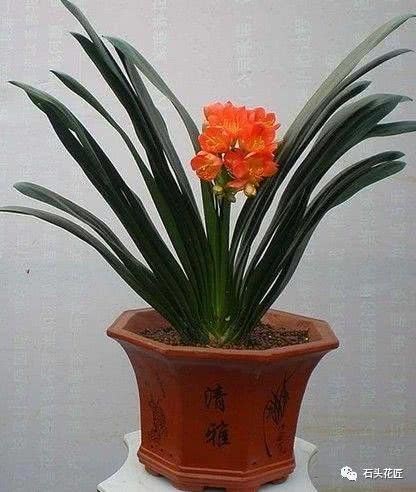
These 3 flowers are "big eaters," "eating" 1 pot of soil a year, so hurry and "repot" them for winter
More and more people like growing flowers in their lives, and many flower lovers enjoy growing all kinds of plants and flowers, keeping them at home, which can both purify the air and beautify the environment. When there is free time, tending the plants can shift your attention and help you relax.
Friends who like growing flowers all know that in daily flower care, watering, fertilizing, pruning, repotting and changing soil, and then placing the potted plants in a place with good light, are what meet their normal growth needs. Now it is the cool autumn, also suitable for repotting and changing soil for flowers, especially for some plants that like to grow in fertile soil. Their root systems are very developed, and generally after repotting and changing soil once a year, the plant's roots will fill the entire pot. So some flower lovers also call them "big eater" plants: if they are not repotted for a year, they will eat up all the soil in the pot. Today I will share 3 common flowers from daily life: clivia (Clivia miniata), spider plant (Chlorophytum comosum), and pothos (Epipremnum aureum). In autumn, you need to check the plant roots. If there is no soil left in the pot, you must hurry and repot and change the soil, otherwise the plants will have a hard time getting through winter because they lack nutrients.
Clivia
Flower lovers who have grown clivia know that clivia has very developed fleshy roots. Generally, growing clivia requires changing the soil once a year, and you need to choose fertile soil that drains and breathes well. After autumn arrives, you need to check the clivia roots. If the roots are too abundant and there is too little soil in the pot, you must repot and change the soil.
Method
After taking the clivia out of the pot, loosen the roots, prune off all the rotten roots and hollow roots, then put the plant in a cool place to dry for a day. Prepare 1 part fermented salt-free peanut shells, 1 part leaf mold, 1 part garden soil, and 1 part river sand, then mix them and prepare to grow the clivia. You can use the previous pot, or change to a slightly larger pot. Put base fertilizer at the bottom of the pot, generally using leaf mold, chicken manure, and sheep manure, just a small amount, then add the mixed soil to the pot. After planting the potted plant, place it in a cool indoor place to recover for 1 week, then place it on a well-ventilated balcony with scattered light for normal care, and after 2 weeks it can grow normally.
Spider plant
Flower lovers who have grown spider plants know that spider plant is a plant with fleshy roots, and its root system is very developed. It needs repotting and soil changing once a year, otherwise the plant will stop growing and develop yellow leaves because it lacks nutrients, and if the spider plant pot lacks nutrients when winter comes, the plant will have a hard time surviving winter.
Method
Generally, after taking the spider plant out of the pot, there are very large tuberous roots, and you can use a kitchen knife to directly cut off all the roots at the bottom. Leave only a small amount of roots at the base, then put the spider plant in a cool place to dry for two hours, then prepare mixed soil, choosing 2 parts leaf mold, 1 part river sand, and 1 part garden soil. After fully stirring, repot it, and place the potted plant in a ventilated indoor place for care. With sufficient nutrients, the spider plant can also grow vigorously in winter and send out emerald green leaves.
Pothos
Pothos is a plant that greatly loves soil. When pothos is grown in a pot, after one year the plant's roots will fill the entire pot, so when caring for pothos in autumn, you need to check the plant's roots and repot and change the soil.
Method
You can directly take the pothos plant out of the pot, use scissors to prune off all the roots at the bottom, leaving only a small amount of new roots at the base, then prepare mixed soil for growing flowers, the same as the soil for growing spider plants, then plant the plant into the pot and carry out normal care, placing it in a ventilated, breathable, cool place, and the plant can settle into the pot.
Pothos, spider plant, and clivia are common household flowers. Their ability to absorb soil is very strong, so they need repotting and soil changing once a year, especially when autumn arrives. You must check the plant roots and repot and change the soil so they can safely and smoothly get through winter.
If you find it useful, please like it below, follow, and forward it to more friends!
I am [Stone Flower Gardener], and I share little flower-growing tips every day. Remember to follow me.