6 kinds of flowers that grow back from scratch after one cut, sprouting new shoots in 2 weeks, fuller and denser
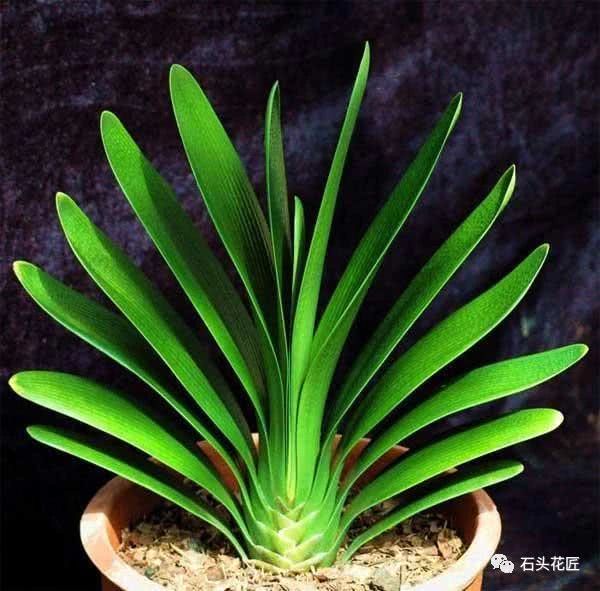
Grow these 6 kinds of flowers, cut once to "start over", new shoots appear in 2 weeks, fuller and denser!
Growing flowers has become a lifestyle habit for many people. In daily life, many friends and family members like to grow some flowers and plants. Plants like spider plants, clivias (Clivia miniata), pothos, amaryllis (Hippeastrum), and money trees are all very common household flowers. Tending to flowers and plants in your spare time not only passes the time but also cultivates body and mind.
When growing flowers normally, some flower lovers can grow them lush and vigorous, while at other times you also run into yellowing leaves and rotting leaves. Especially for some foliage plants, like pothos, spider plants, and money trees, once their leaves turn yellow and rot, the whole plant's ornamental value becomes very low, so the plant needs to be pruned in time and started over, letting it grow entirely new leaves and raising its ornamental value. Today I'll share six common plants from daily life; when a plant shows large areas of yellowing and rotting leaves, you can prune it, cut it off with one cut and start caring for it again, and you can also make the plant grow fuller and greener.
1. Clivia
Clivia (Clivia miniata) is a very popular household flower. Many flower lovers like to keep potted clivias at home, because it not only has green leaves but also blooms beautiful flowers in winter. But when clivia's leaves become damaged or yellow, the whole plant's ornamental value is very low. In spring and autumn you can prune it, using a sterilized blade to cut directly from the base of the clivia.
Care method
After cutting off the clivia's leaves, place the whole plant in a cool spot indoors for care. When watering, be careful not to pour water on the cut surface, otherwise it will cause bacterial infection and rot. After about 3 weeks of normal care, the clivia will begin to grow side shoots, usually producing 2-3 small plants.
2. Kalanchoe
Kalanchoe (Kalanchoe blossfeldiana) is a plant with a very long flowering period; generally it blooms for about 300 days a year. But when kalanchoe develops yellowing leaves or even dead branches, you can prune the whole plant, trimming the kalanchoe's branches and leaving only the thicker stems.
Care method
After pruning kalanchoe, place the plant on a balcony with scattered light for care, and mist the plant once every 3 days with a spray bottle. In about seven days the plant will grow new shoots and new leaves, and will grow more densely. Kalanchoe's flower buds generally emerge from new branches, so after pruning the old branches you can also make the plant bloom more flowers.
3. Amaryllis
Amaryllis (Hippeastrum) is a plant that goes dormant in summer and only begins to grow rapidly after autumn arrives. But generally in autumn, amaryllis is prone to rust disease. When the leaves are severely damaged, you can directly use a blade to cut off all the upper leaves of the amaryllis, letting the plant regrow new leaves. Of course, you can also use a blade to cut the amaryllis apart, which can make the plant produce more small amaryllis plants.
Care method
Whether you cut off the amaryllis's leaves or divide the bulb, you need to place the pot in a cool spot indoors to recover. Generally after one week of recovery the plant can grow normally, and after two weeks of care the plant can grow new shoots and new leaves.
4. Spider plant
Spider plant (Chlorophytum comosum) is a very popular household flower, but many flower lovers, when growing spider plants in summer, always end up with yellowing leaves and rotten roots, making the plant's ornamental value extremely low. When caring for it in autumn, you can cut off all the spider plant's leaves, cut off the leaves above the soil surface, and let the plant regrow new leaves; this can raise the plant's ornamental value.
Care method
After cutting off the spider plant's leaves, place the pot in a cool spot indoors and let it regrow leaves. Do not expose it to direct sunlight; mist the plant once a week and just keep the soil moist. In 2 weeks it will regrow new leaves, and they will be even denser.
5. Pothos
Pothos (Epipremnum aureum) is a common household flower; almost every household has a potted pothos. But when caring for pothos, yellowing leaves and rotting branches can also occur. If the situation is serious, you can prune the plant. You can cut off all the branches above the soil surface, letting the root system regrow new branches and new leaves.
Care method
After pruning pothos, keep the soil moist, but do not water frequently, otherwise it will cause root rot. Place the pot on a balcony for normal care, and in about a week it will regrow shoots and leaves.
6. Money tree
Many flower lovers, when caring for money trees in winter, easily run into yellowing leaves and withered branches. When this happens, prune the plant in time, cutting off all the yellow leaves and dead branches, and let the plant regrow new leaves.
Care method
After pruning the money tree, place the pot in a warm, well-ventilated spot indoors and let it receive scattered light. In about two weeks the money tree can sprout and grow leaves, but you must control watering, keeping the soil slightly moist; water only when the soil is dry, and water thoroughly when you do.
With these 6 common household flowers, when the plant's leaves wither or rot, you can prune them in time so that the rot does not spread to the roots. Through later care, you can make the plant even more robust and lush.
If you find this useful, please like it below, follow, and share it with more friends!
I am [Stone Gardener], sharing little gardening tips every day, remember to follow me!