Can plants make it through the winter safely? A full breakdown of winter watering techniques
We are about to enter the cold winter. I wonder if everyone has gotten their flowers and plants at home ready. You should know that many plants cannot withstand the invasion of low temperatures. During winter care, what needs special attention is the supply of water. At this time, you can no longer water casually. You must supply water according to the characteristics of each flower and plant. Below, the editor will introduce the winter watering treatment for several kinds of plants.
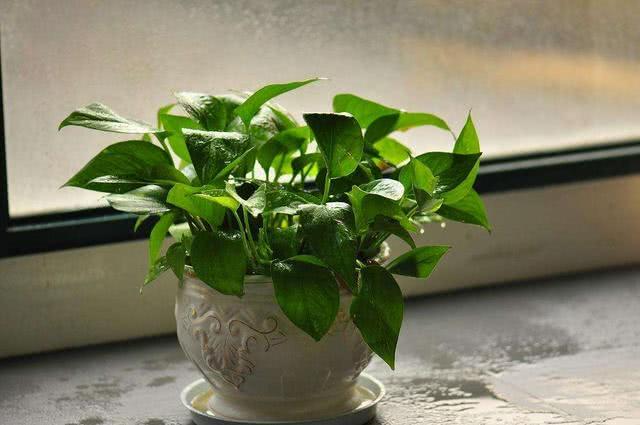
The first is pothos. Its watering amount increases or decreases according to the temperature. In an environment above 10°C, you can follow the watering principle of water when dry, dry when wet, and keeping the soil moist enough can promote rapid growth of pothos. Once the surrounding environment is below 10°C, the potted plant must be moved to a warm space, because pothos does not like low temperatures. Such temperatures will stop its growth and may even cause frost damage. At the same time, water less, preferably keeping it a bit dry, otherwise the root system may rot.
The second is clivia. In autumn it stores a certain amount of nutrients so that it can bloom beautifully in the coming flowering period, but if the surrounding environment is below its minimum tolerable temperature, it will stop growing and enter a dormant state. The amount of watering should also be determined according to the change of seasons.
Above 10°C, maintain normal watering; below that, reduce the water supply and keep the soil dry to ensure that clivia gets through the low-temperature season smoothly. When watering, be careful not to pour it into the center of the leaves, because watering there over a long period will cause rot, and do not water with cold water, so as not to stimulate its roots. Therefore, before watering, it is best to let the water sit indoors for a while first.
The third is spider plant. Spider plant likes a drier environment, but it should not lack water either. If it lacks water for a long time, the leaves will turn yellow, the stems will dry up, and ultimately the normal growth of the plant will be affected. Autumn is its peak growing season. Suitable temperatures and an appropriate amount of water and fertilizer can make it grow fast and green.
In spring and autumn, when you see the soil is dry, water it. You can also spray the leaves to keep them moist. Spider plant likes fertile soil. In autumn, applying a little nitrogen fertilizer such as rice water is excellent. This can prevent yellow leaves and make the plant look better.
The fourth is asparagus fern. It begins to grow rapidly in autumn, so during this period attention should be paid to replenishing water and fertilizer. When you see the surface layer of the soil become dry, you can water it. It is best to place it in a ventilated place, often spray the leaf surface, and just increase the humidity. As winter approaches, it should be brought indoors for care, and watered less, keeping the soil dry so it can get through the winter smoothly. Once it is watered too much, it may stop growing or even die.
Have you all remembered, friends?