Detailed Guide to Camellia Planting and Cutting Methods
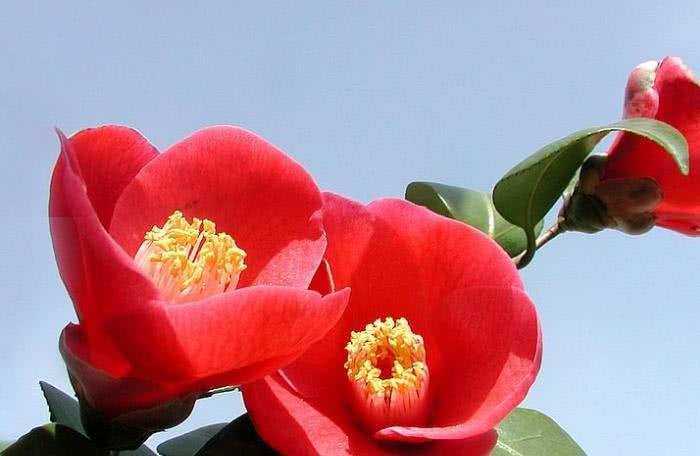
How is camellia cutting carried out? When cutting, follow the principle of cutting immediately after collection, and insert 1/3 of a cutting branch about 3 cm long into a moist substrate.
I will not feel lonely without anything, because love and the world are both in my dreams.
Text by Spring Flowers and Plants [Original first release, copying and plagiarism prohibited, violators will be prosecuted]
How to fertilize camellias? Camellia, anciently called sea pomegranate, also has aliases such as mandala, winter-tolerant, and jade tea flower. Camellia is a fertilizer-loving flower. Because its flowering period is long and the tree is robust, its fertilizer requirement is also relatively high. During fertilization, apply sufficient liquid fertilizer, and apply additional organic fertilizer according to the plant's growth stage.
Apply 1-2 times a month of decomposed cake water, except during the coldest and hottest periods in winter and summer. Fertilization method: scrape the soil open about 2 cm, apply the liquid fertilizer into the trench, and cover it with soil. During the vigorous growth period of camellia, spray the leaves with 0.2%-0.3% potassium dihydrogen phosphate and 1%-2% plant auxin, or carry out 1-2 foliar fertilizer applications.
How to grow camellias in the north? Camellias like slightly acidic mountain red (yellow) soil with high humus content, loose texture, and good aeration, with a pH value of 5-6.5. Soil with heavy clay or alkalinity cannot be used as a substrate. Camellias are afraid of high temperatures and direct sunlight and need suitable lighting. In spring and late autumn, it is best to move camellias to a balcony.
Receive all-day sunlight to promote plant growth and development. In summer, when sunlight is strong, move the flowerpot to an environment with good ventilation, light exposure, and shade from the sun. Camellias like warmth. The most suitable relative humidity for growth is 60%-65%, and the temperature is 18°C-25°C. Camellia leaves are numerous, have a large leaf area, and transpire quickly.
Camellias like a relatively humid climate and also like moist soil, but they are afraid of water accumulation in the flowerpot. On rainy days, if water accumulates in the pot, it must be drained promptly. Camellias like to grow in an environment with moderately flowing air, and this can also help prevent pests and diseases.
How is camellia cutting carried out? When cutting, follow the principle of cutting immediately after collection, and insert 1/3 of a cutting branch about 3 cm long into a moist substrate. To avoid damaging the cortex at the base of the cutting, first make a hole with a tool slightly thicker than the branch, then insert the cutting and afterward compact the soil so that the soil and cutting are in close contact.
The most suitable density for cutting is for the leaves to overlap slightly. After cutting, water the seedbed thoroughly once, then cover it with plastic film. Keep the temperature controlled at 18°C-27°C and the air humidity at about 95%. After the cuttings are transplanted and survive, it is good to apply 1 time of thin human manure and urine. They begin to take root in about 1-2 months.
[Image from the internet. Image is unrelated to the text. If there is infringement, contact to delete.]
About the author: Spring Flowers and Plants, loves life, enjoys a new perspective on life. Likes exploring, loves writing, and uses words to express the emotional changes in life.